When in doubt, follow the Constitution
When in doubt, follow the Constitution. President Lee Jae Myung and Chief Justice Cho Hee-dae are at odds over the selection of a nominee for Supreme Court justice. Both sides accuse each other of violating the Constitution. To resolve the dispute, they should both carefully examine what the Constitution actually stipulates about the recommendation and appointment process, rather than…
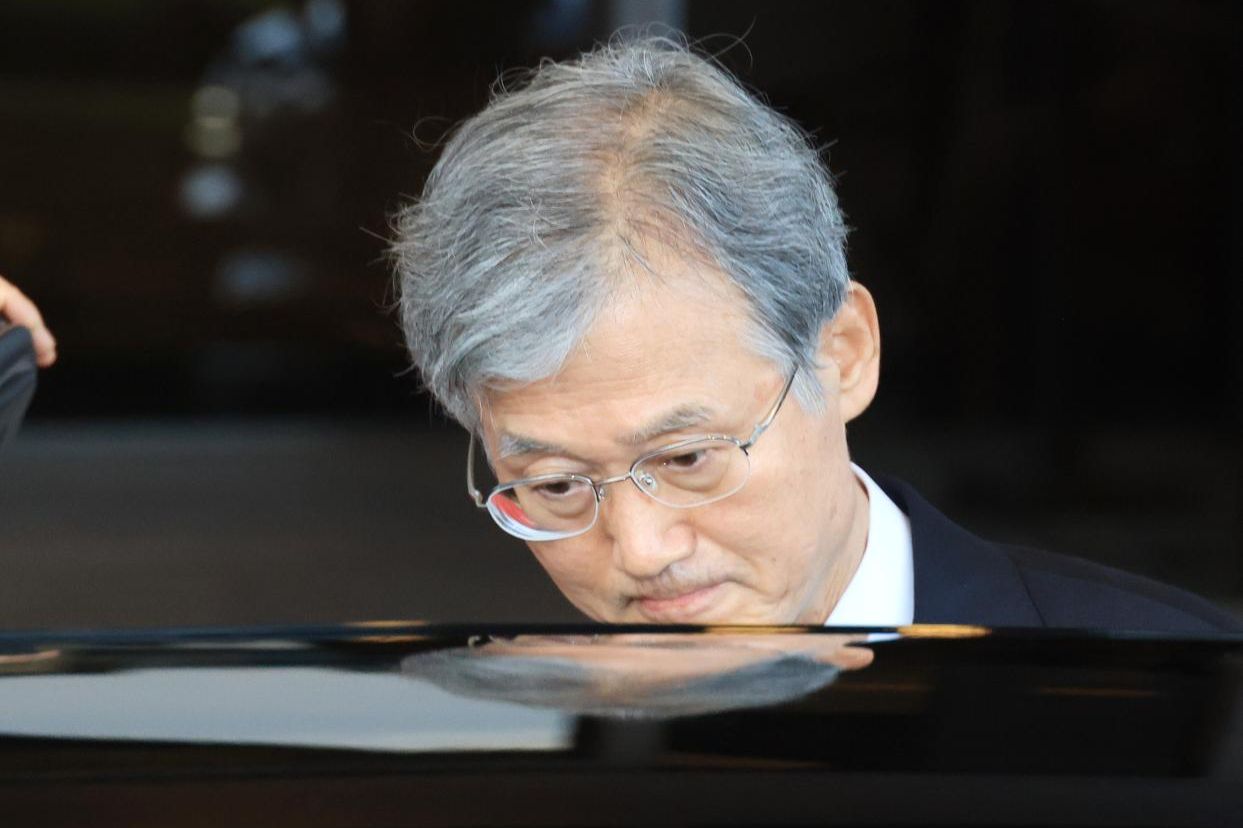
President Lee Jae Myung and Chief Justice Cho Hee-dae are embroiled in a dispute over the selection of a nominee for the Supreme Court. The disagreement centers around alleged violations of the Constitution by each party. To settle the matter, both should closely review the Constitution's provisions regarding the appointment process, rather than bending the rules to suit their individual interests.
Article 104, Paragraph 2 of the Constitution outlines the process for appointing Supreme Court justices. This provision clearly delineates the roles of the executive, legislative, and judicial branches, embodying the principle of checks and balances in the appointment of justices. The chief justice is tasked with recommending candidates, the National Assembly must grant consent, and the president ultimately conducts the appointment.
Thus, the Constitution assigns specific responsibilities to each branch in the appointment process. The chief justice is responsible for proposing candidates, the National Assembly provides its approval, and the president executes the appointment. Consequently, both Lee Jae Myung and Cho Hee-dae must adhere to these outlined roles and abstain from interpreting the Constitution in a manner that aligns with their personal agendas.
Written by urgent.news from The Korea Times's reporting — not their text. Machine-written — may contain errors; check the original before relying on it.
Also reported by 1 other outlet
- When in doubt, follow the Constitution koreatimes.co.kr