What Trump’s tariffs could mean for Russia and China
How much pressure can Donald Trump’s new tariffs place on Russia’s war economy? A new U.S. law gives the president the power to impose tariffs of up to 100% on major buyers of Russian energy, while also strengthening sanctions against Russia’s shadow fleet.
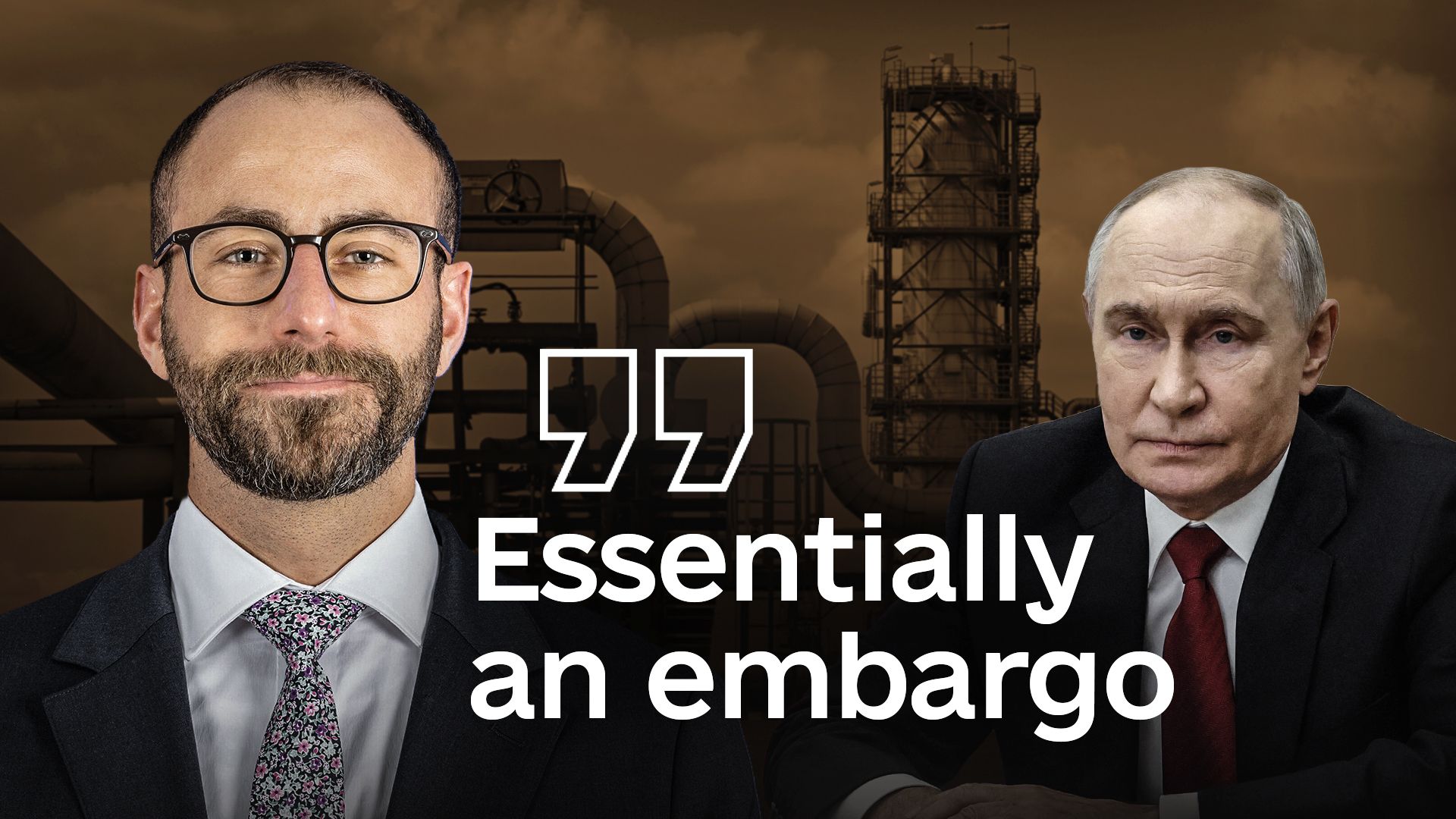
The European Union is bracing for a potential LNG supply shortage, as US President Donald Trump's Russia sanctions under the Lindsey Graham Act threaten to disrupt the gas flows that remain crucial for the bloc. While the law does not automatically impose tariffs on the EU, the practical implementation of the 100% tariff on countries that still purchase Russian natural gas remains uncertain and poses a new risk to European governments and firms reliant on Russian gas.
The EU, which aims to refill storage levels to at least 80% by November, is facing fierce competition from Asian bidders and the lowest gas storage levels since 2011.
EU Foreign Affairs chief Kaja Kallas expressed no concern over the impact on European partners, stating her hope that the sanctions would not lead to new commercial barriers in the EU-US relationship. The European Commission also emphasized its commitment to ensuring no additional commercial barriers emerge from the Graham law. However, the sanctions could create friction with countries still exposed to Russian gas, such as France, Belgium, the Netherlands, and Spain.
Maritime services risk is also high, as the new US law may target vessels carrying Russian LNG and the owners or operators of ports that allow such vessels to enter. This could have far-reaching consequences for European companies involved in LNG transportation. EU MEPs have called for an end to maintenance services for Russian LNG carriers, arguing that it undermines the collective pressure to isolate Russia.
Written by urgent.news from Euronews's reporting — not their text. Machine-written — may contain errors; check the original before relying on it.
This story
This is one outlet's version. Read the fullest account.