What prolonged extreme heat means for Malaysia’s poultry: Growth slows, eggs dip, but no automatic shortage
KUALA LUMPUR, Sept 24 — With Malaysia bracing for an intensification of El Niño conditions, prolonged extre...
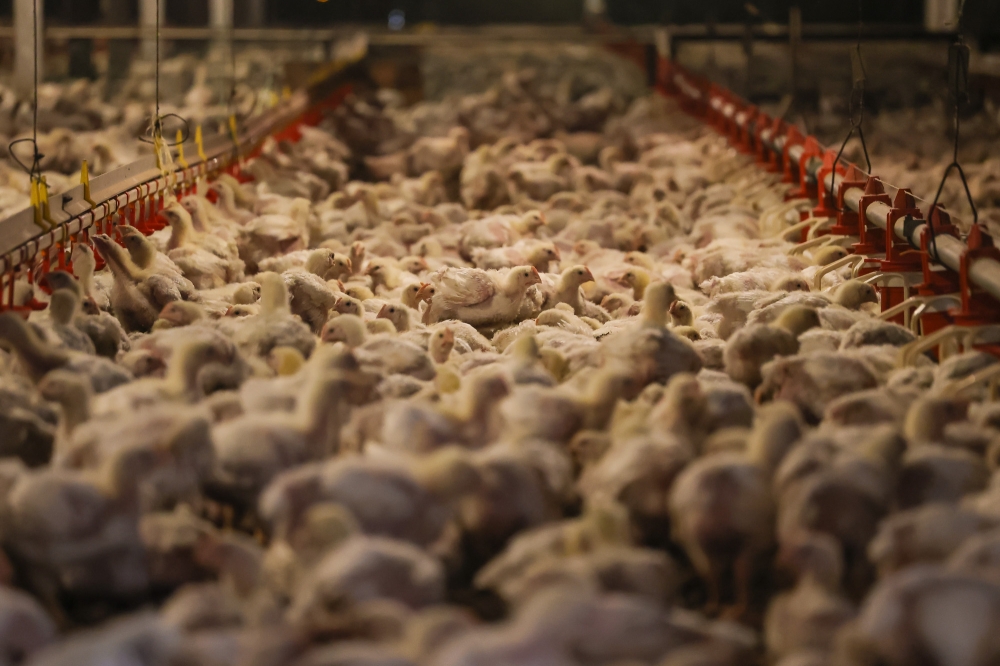
Malaysia is preparing for the potential impact of intensifying El Niño conditions, which could lead to prolonged extreme heat and affect the country's poultry production. While experts warn that extreme heat may not automatically result in a national shortage, prolonged and widespread heat stress could cause slower growth in broiler chickens, higher mortality rates, and reduced egg production.
Professor Datuk Zulkifli Idrus, director of the Institute of Tropical Agriculture and Food Security at Universiti Putra Malaysia, explained that the severity and duration of the heat, as well as farm preparedness, would determine the impact on production. Modern broilers are particularly vulnerable due to their rapid growth and high body heat generation.
Laying hens can also experience reduced productivity during prolonged heat, resulting in fewer, smaller, and poorer-quality eggs. While these effects could potentially put pressure on Malaysia's chicken and egg supply, they would not be immediate. In a worst-case scenario, slower-growing broilers and reduced egg production could lead to supply disruptions if extreme heat affects multiple farms simultaneously.
However, experts advise that farm preparedness plays a crucial role in mitigating these risks. Proper ventilation, cooling systems, water supply, and nutritional strategies can help chickens withstand heat stress. In the event of prolonged extreme heat, farmers should take proactive measures to ensure their operations remain efficient.
Written by urgent.news from Malay Mail's reporting — not their text. Machine-written — may contain errors; check the original before relying on it.