What makes Hinduism in Bengal distinctive? A history of Shaktism, Tantra and Bhakti
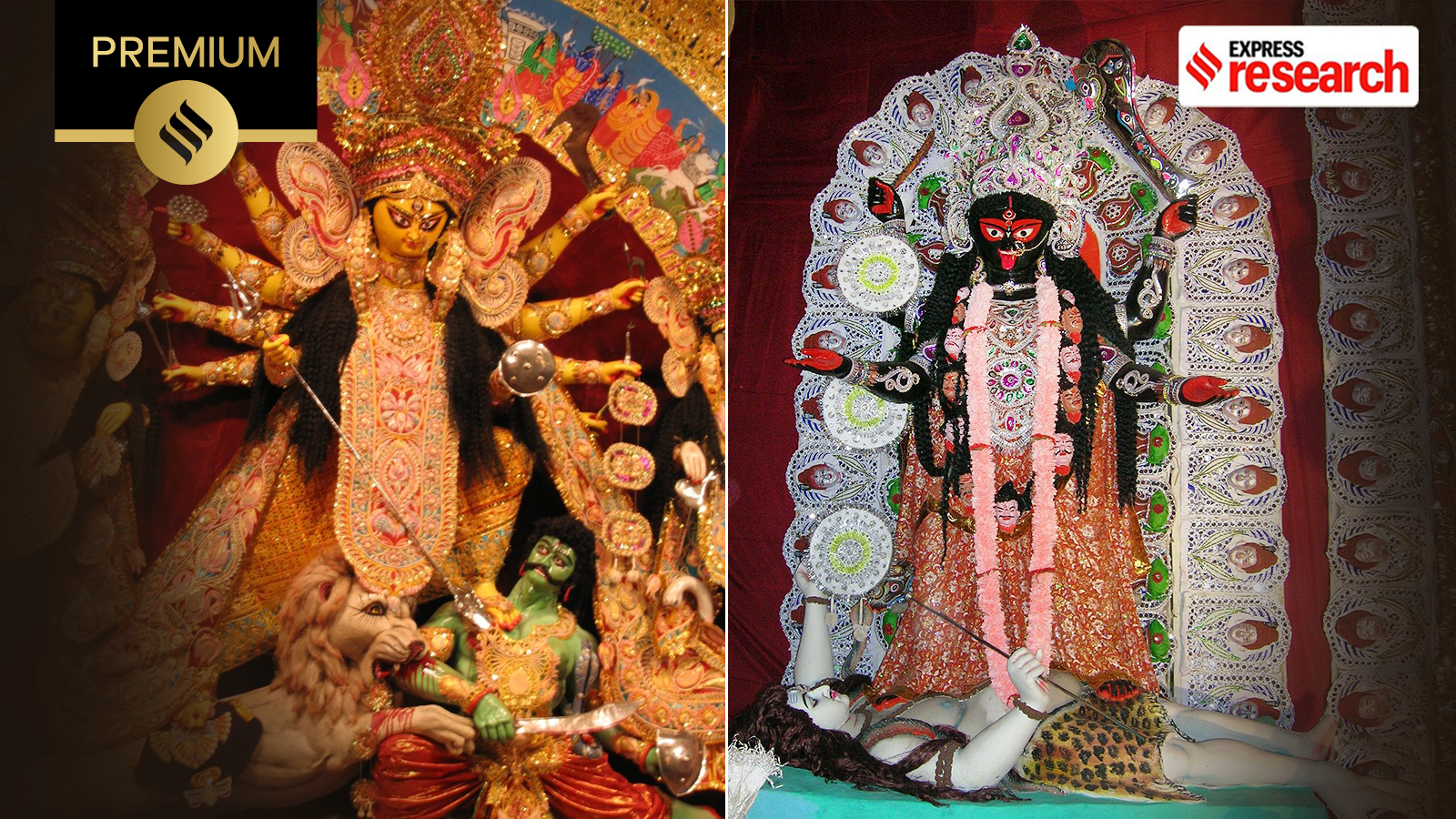
What makes Hinduism in Bengal distinctive is its strong tradition of Shaktism, or the worship of the divine feminine. This regional expression of Shaktism developed in eastern India, influenced by Tantra and its interactions with Gaudiya Vaishnavism. The land of goddesses, Bengal boasts a long history of goddess worship, with female figurines found at Indus Civilisation sites potentially representing mother goddesses.
In Bengal, goddesses were associated with various attributes and functions, often linked to protecting families or villages. Examples include Jangalasini Devi in Bankura district, Kamakhya Devi in Lakhershole village, Sarvamangal Devi in Naricha village, Kaluburi in Ajodhya village, and Ambika Devi in Raipur village. Villages also held deities tied to social fears, such as Ola Bibi for preventing cholera and Manasa for protection against snakebites.
Historian Kumkum Chatterjee suggests Bengal's unique goddess worship can be attributed to the delayed arrival of Brahmanism in the region. The late arrival of Brahmanism allowed the goddess tradition to remain strong, leading Brahmanas to modify and transform local goddesses into Brahmanical divinities. By the 15th century, texts like the Manasa Mangal Kavya identified Manasa as Shiva's daughter, giving her a Brahmanical genealogy.
Durga, too, evolved through the Devi Mahatmya in the Markandeya Purana, becoming a powerful warrior who defeated the demon Mahishasura. Scholar Thomas B. Coburn describes Durga as emerging from the combined radiance of the gods and becoming an agricultural goddess worshipped as Vana Durga. The Shakta tradition prevailed in Bengal well into the 20th century, with a significant portion of the population remaining Shakta, according to Professor Narendra Nath Bhattacharya.
Tantra also played a role in shaping goddess worship in Bengal, emerging around the 6th and 7th centuries as Vedic Hinduism underwent transformation. Tantricism developed from Vedic rituals and yogic practices, as well as Buddhist and Jain traditions. Madhu Khanna, a scholar of Tantric studies, notes that the tantras rectified and replaced limitations found in Vedic traditions.
Written by urgent.news from The Indian Express's reporting — not their text. Machine-written — may contain errors; check the original before relying on it.