What a Diesel Export Ban Would Mean for U.S. Consumers
President Trump is considering a ban on diesel exports to lower prices. Analysts say it may do more harm than good.
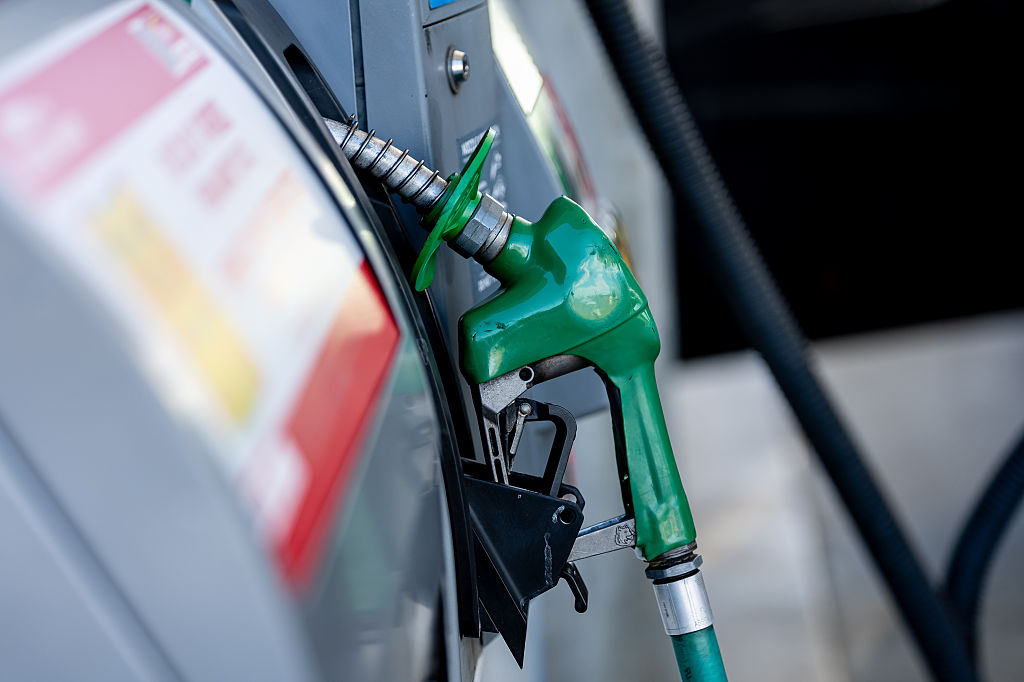
The sudden and steep rise in diesel fuel prices has become a growing concern for American consumers as the war in Iran rages on. Senate Majority Leader John Thune has expressed openness to exploring a temporary diesel export ban, while Republican lawmakers from farm states have called for immediate action. President Donald Trump, during his meeting with Ukrainian President Volodymyr Zelensky, suggested that not exporting diesel could benefit regular automobile gasoline prices.
The American Automobile Association reported that diesel prices averaged $6.53 per gallon on Tuesday, a significant increase from the previous month's average of $3.75. The high demand for diesel, which powers heavy-duty farming and industrial machinery and transport, threatens to exacerbate inflation. The Federal Reserve aims to keep inflation in check, and a diesel export ban could tighten global supplies, leading to higher prices on the East Coast and to a smaller degree, the West Coast.
Energy experts warn that the ban could have unforeseen consequences on the economy, including higher grocery prices.
Written by urgent.news from Time's reporting — not their text. Machine-written — may contain errors; check the original before relying on it.