US Military Bases in Greenland: What the New Defense Deal Means
Where will the US build its new Greenland military bases? Here's what to know about the locations, security deal and Greenland's sovereignty.
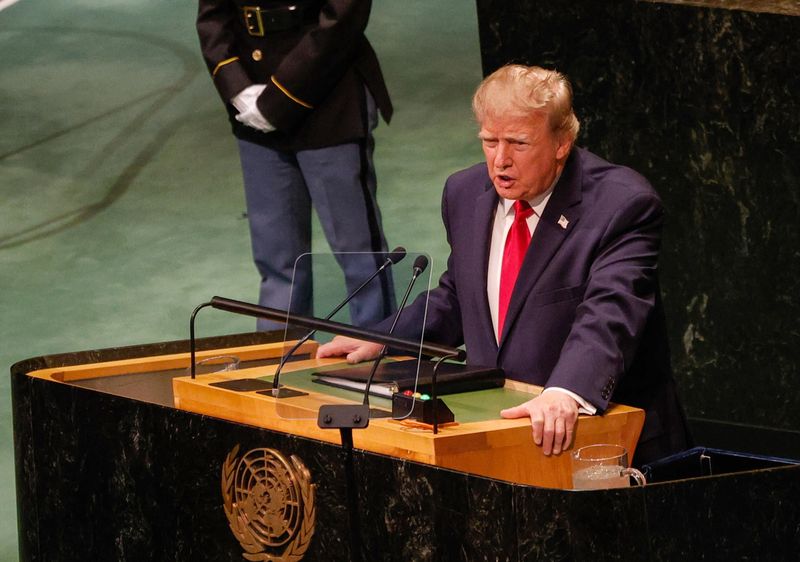
On September 22, U.S. President Donald Trump, Danish Prime Minister Mette Frederiksen, and Greenland Prime Minister Jens-Frederik Nielsen signed a new defense agreement in New York. The agreement grants Washington the authority to establish two additional military facilities in Greenland, while reaffirming Danish sovereignty over the strategically vital Arctic territory.
This amendment to a 1951 agreement between the U.S. and Denmark expands the United States' military presence in Greenland. The deal identifies Narsarsuaq and Mestersvig as potential sites for new defense areas. Narsarsuaq, a former U.S. military base and airport in southern Greenland, has been closed since 1958 but offers a large runway and deep-water access, making it suitable for renewed military operations.
Mestersvig, a remote outpost in eastern Greenland currently used by Denmark's Sirius Dog Sled Patrol, is comparatively undeveloped and isolated.
Under the agreement, Greenland remains an autonomous territory within the Kingdom of Denmark and an active member of NATO. Greenland's right to self-determination is recognized, and the agreement does not involve any transfer of territory to the United States. However, non-NATO states are prohibited from establishing military installations or a persistent presence in Greenland.
The U.S. already operates the Pituffik Space Base in northwestern Greenland, where personnel handle missile warning and space-related missions. The new pact allows for the modernization and expansion of U.S. activities at this site and the establishment of additional defense areas at Narsarsuaq and Mestersvig. However, it also imposes restrictions on other countries, limiting non-NATO nations from establishing military presence in Greenland.
The agreement is seen as a shift from a period of tension following Trump's repeated threats to take control of Greenland, citing security concerns involving Russia and China. Greenland's leaders welcomed the deal, describing it as a "win-win-win," while Denmark's Prime Minister also praised the agreement for respecting both Danish sovereignty and Greenland's right to self-determination.
Written by urgent.news from Tempo.co English's reporting — not their text. Machine-written — may contain errors; check the original before relying on it.