Upwind acquires Israeli AI security startup Aegis
Aegis, which was founded just nine months ago, has developed a platform that identifies the characteristics of attacks involving AI agents.
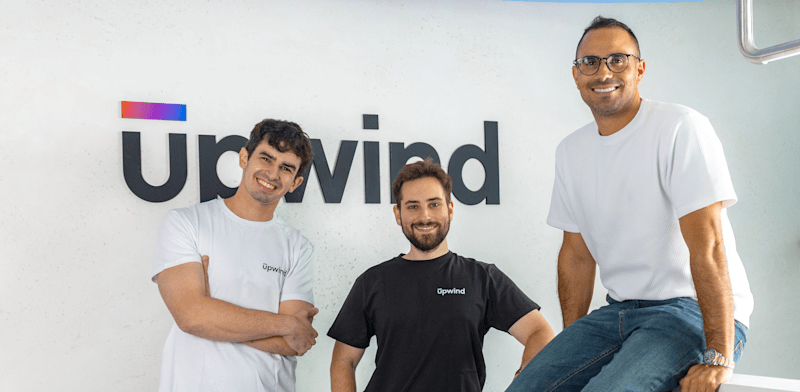
Artificial intelligence is changing the cybersecurity landscape, creating new challenges related to AI-powered attacks, as companies like Upwind navigate this rapidly evolving environment. Cybersecurity firm Upwind has acquired AI security startup Aegis, and launched Upwind AI Security Labs, reported by Axios. Aegis co-founders Omri Limor and Saar Ankonina join Upwind, where they will lead a research and engineering effort to enhance security capabilities for AI-powered attacks. This move also expands Upwind's focus on securing cloud and AI environments.
Aegis was founded by Limor and Ankonina, former intelligence unit colleagues with experience in offensive cybersecurity. After developing their technology, Aegis reached out to Upwind for a strategic partnership and investment. Following several months of collaboration, the relationship evolved into an acquisition, bringing Aegis's team and technology to Upwind. Upwind CEO Amiram Shachar noted that the acquisition of Aegis and its co-founders will allow the company to move more quickly in addressing AI security challenges.
Upwind AI Security Labs will focus on scanning, attack detection, and AI security capabilities. The initiative combines Aegis's technology and development work with Upwind's existing runtime platform, ultimately aiming to accelerate the transition from AI security research to enterprise-grade capabilities. The new labs emphasize secret scanning in transit and at rest to prevent unauthorized access in cloud and AI environments, addressing the recent industry findings highlighting cases involving compromised API keys and session tokens.
The newly established labs currently include 12 developers and researchers from Aegis and Upwind, with plans to expand the group to approximately 25 people within three months and potentially 35 as the initiative expands. The goal is to shorten the research-to-market cycle in the increasingly complex AI landscape, turning research into practical defenses as AI capabilities evolve.
Written by urgent.news from HackerNoon's reporting — not their text. Machine-written — may contain errors; check the original before relying on it.
This story
This is one outlet's version. Read the fullest account.