UNGA 81: The Question Yobe Took to Africa — Can Conflict Victims Own a Share of the Future?
At a global gathering in New York, surrounded by presidents, chief executives, investors and some of Africa’s most influential business leaders, The United Nations General Assembly UNGA 81. A question from Yobe State cut through the familiar conversation about growth. It was not about another road. It was not about another government contract. And it […]
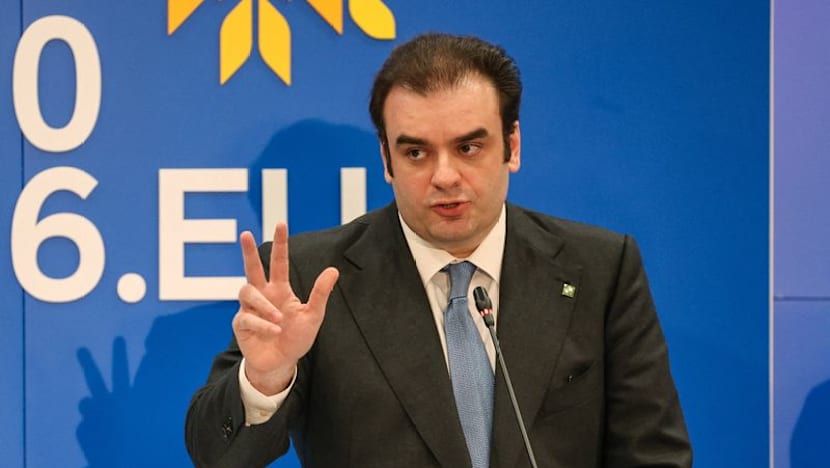
At the Unstoppable Africa 2026 event, which took place during UNGA 81, the United Nations General Assembly, a question posed by Yobe State's Secretary to the Government, Dr Mohammed Goje, caught the attention of delegates from around the world. The question wasn't about constructing new roads or securing government contracts; it was about how conflict victims could benefit from investment in the future.
Alhaji Aliko Dangote, a prominent business leader, was asked if there were opportunities for the government to invest in shares as a means of providing sustainable financial security for widows and conflict victims.
The question could be seen as a simple inquiry regarding investment potential, but its underlying message was much more profound. It questioned the role of capital in society and who should ultimately reap the rewards from financial growth. As Unstoppable Africa aimed to redefine the conversation about Africa, this question highlighted the need for African nations to own, scale, and retain value, rather than merely focusing on its potential.
For communities that have endured insurgency and displacement, rebuilding merely because a displaced family has returned home is insufficient. While houses can be rebuilt and schools reopened, the challenges persist once humanitarian assistance comes to an end. Nigeria has been investing heavily in reconstruction, rehabilitation, and livelihood support, but there's a compelling argument for considering another aspect of recovery: Asset Ownership.
Dr Goje's question was not about merely buying shares in any particular company, nor did it advocate for indiscriminate investment in equities without thorough risk assessment and legal compliance. The policy implications behind his query needed careful examination of Nigeria's public-finance and capital-market frameworks. However, the question was significant because it pushed policymakers to think beyond the immediate benefits of capital for the government, corporate profits, and large institutional investors.
It emphasized that ordinary citizens, especially those who have suffered the most due to instability, should also have a stake in the wealth being generated around them.
Yobe, a conflict-affected state, cannot rely solely on annual budgets to plan for its development. The community must consider resilience across generations. A widow whose husband was killed in conflict needs more than just sympathy; she needs income, security, dignity, and an economic future for her children. This is where the convergence of social protection and investment policy becomes crucial.
The question posed during Unstoppable Africa 2026 challenges policymakers to shift their focus from relief to resilience, beneficiaries to asset ownership, and expenditure to long-term value creation.
The broader conversation about Africa's economic future also needs to evolve. The organizers of Unstoppable Africa encouraged the continent to move beyond exporting raw potential and instead create and retain more value through African businesses, capital, supply chains, and investment. However, this shift in perspective should extend beyond corporations and sovereign wealth.
Eventually, ownership must reach the ordinary citizen. A widow in Gujba Town may never be a board member of a multinational company or attend an investment summit in New York, but she should not be permanently excluded from the economic value generated by an economy undergoing transformation around her.
Creating mechanisms for vulnerable citizens to participate in long-term wealth creation without turning public funds into political instruments is a complex undertaking. It requires legislation, regulation, professional investment management, independent oversight, and extraordinary transparency. Nonetheless, difficult questions are precisely what policy leaders should be asking.
Perhaps the exchange between Dr Goje and Alhaji Dangote at Unstoppable Africa 2026 is a reminder that challenging questions are vital for progress.
Written by urgent.news from Daily Trust's reporting — not their text. Machine-written — may contain errors; check the original before relying on it.