UAE Central Bank bars Bank Melli Iran from conducting transactions
The UAE Central Bank has barred Bank Melli Iran from conducting any financial transactions between its UAE branches and Iran after investigations found the Tehran-based lender had failed to comply with anti-money laundering regulations. The ban, announced on Thursday as part of the regulator's “strict enforcement” measures, covers trade finance and fund transfers to and from Iran. Bank Melli Iran…
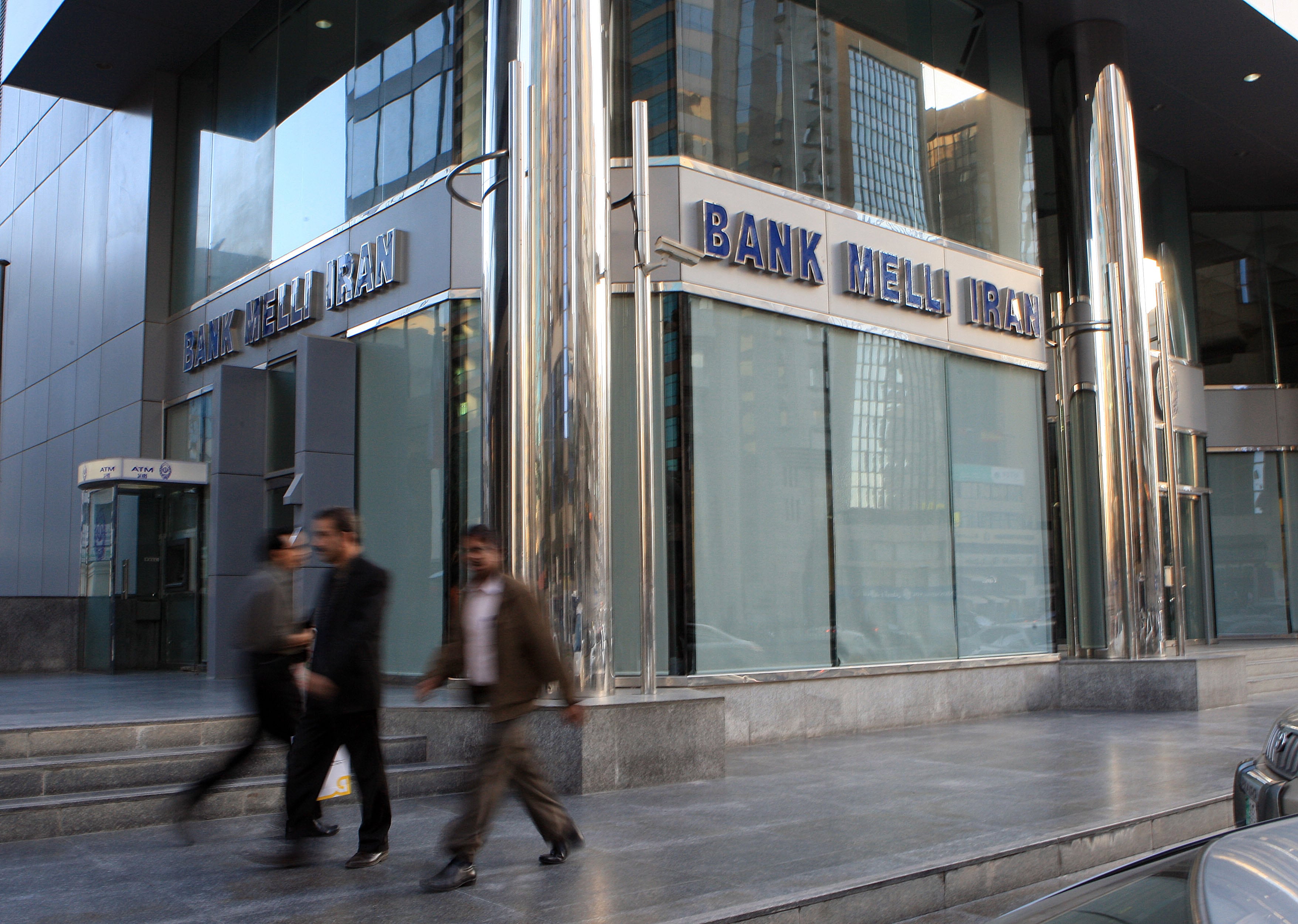
The UAE Central Bank has prohibited Bank Melli Iran from engaging in any financial transactions between its branches in the UAE and Iran, following investigations that revealed the Tehran-based lender's non-compliance with anti-money laundering regulations. The ban, introduced on Thursday as part of the regulator's rigorous enforcement measures, applies to trade finance and fund transfers to and from Iran.
Bank Melli Iran, one of the country's largest lenders with eight branches in the UAE, including a regional office, is directly affected by this decision. The Central Bank stated that the prohibition is due to violations related to money laundering, terrorism financing, and proliferation financing, as per UAE laws and supervisory decisions.
This move comes after the UAE suspended all trade, commercial exchange, and financial transactions with Iran last month, following a series of attacks on UAE-owned tankers and Tehran's rejection of US talks. Despite political tensions, trade between the two nations remains significant, with the UAE being a key trading partner for Iran.
The UAE has been actively strengthening its financial sector regulations, enacting strict laws to prevent money laundering and terrorism financing, and implementing a national strategy against illicit financial activities.
Written by urgent.news from The National UAE's reporting — not their text. Machine-written — may contain errors; check the original before relying on it.
This story
This is one outlet's version. Read the fullest account.
- UAE Central Bank bars Bank Melli Iran from conducting transactions thenationalnews.com
- UAE Central Bank sanctions Bank Melli Iran over compliance violations gulfnews.com
- UAE central bank sanctions local branches of Iran’s Bank Melli timesofisrael.com
- Central bank official rates of banking metals as of September 24 en.interfax.com.ua