Two decades on, Nepal’s conservationists search for new ‘dream’ generation
KATHMANDU — In September 2006, Nepal’s then Minister of Forests and Soil Conservation Gopal Rai and a contingent of conservation leaders flew to a remote village in eastern Nepal to hand over a conservation area to the people living there. On the evening of Sept. 22, Rai handed over management of the Kanchenjunga Conservation Area […]
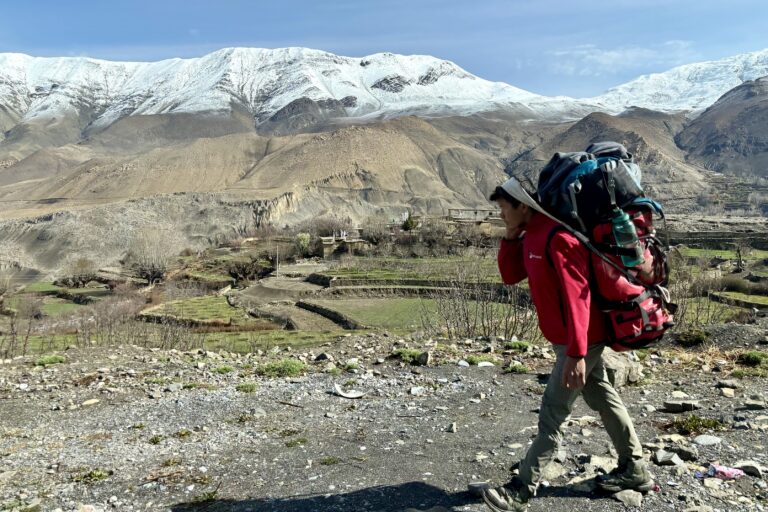
Two decades after the tragic crash in eastern Nepal, conservationists are searching for a new generation to continue the work of pioneers who sacrificed their lives for the cause. In 2006, a group of conservation leaders, including then Minister of Forests and Soil Conservation Gopal Rai, flew to a remote village to hand over management of the Kanchenjunga Conservation Area (KCA) to the local community.
This was hailed as a milestone in Nepal's conservation history, but their flight was cut short when their Russian-built Mi-8 helicopter crashed, killing all 24 people on board, including Rai, his wife, several senior officials, a Finnish diplomat, a USAID official, and several conservationists.
Despite the loss, the community-based approach to conservation they championed still drives Nepal's wildlife and forest recovery. Since the crash, the country's tiger population has more than tripled, and forest cover has grown by six percentage points. However, conservationists believe progress has since stagnated. Sarita Jnawali, who worked with the National Trust for Nature Conservation at the time, recalled the impact of the crash on Nepal's conservation institutions. "When people like that weren't there," she said, "
Written by urgent.news from Mongabay's reporting — not their text. Machine-written — may contain errors; check the original before relying on it.