Trump's energy adviser says Gulf must build new oil routes to bypass Strait of Hormuz
Almost seven months into a war that has redrawn the global energy map, the man overseeing US President Donald Trump 's energy agenda says the fight over Middle East oil is no longer only about supply – it's about the routes that carry it. “We need to de-emphasise the strait [Hormuz],” says the head of America’s Energy Dominance Council, Jarrod Agen. “When Europe had to get off Russian gas, we…
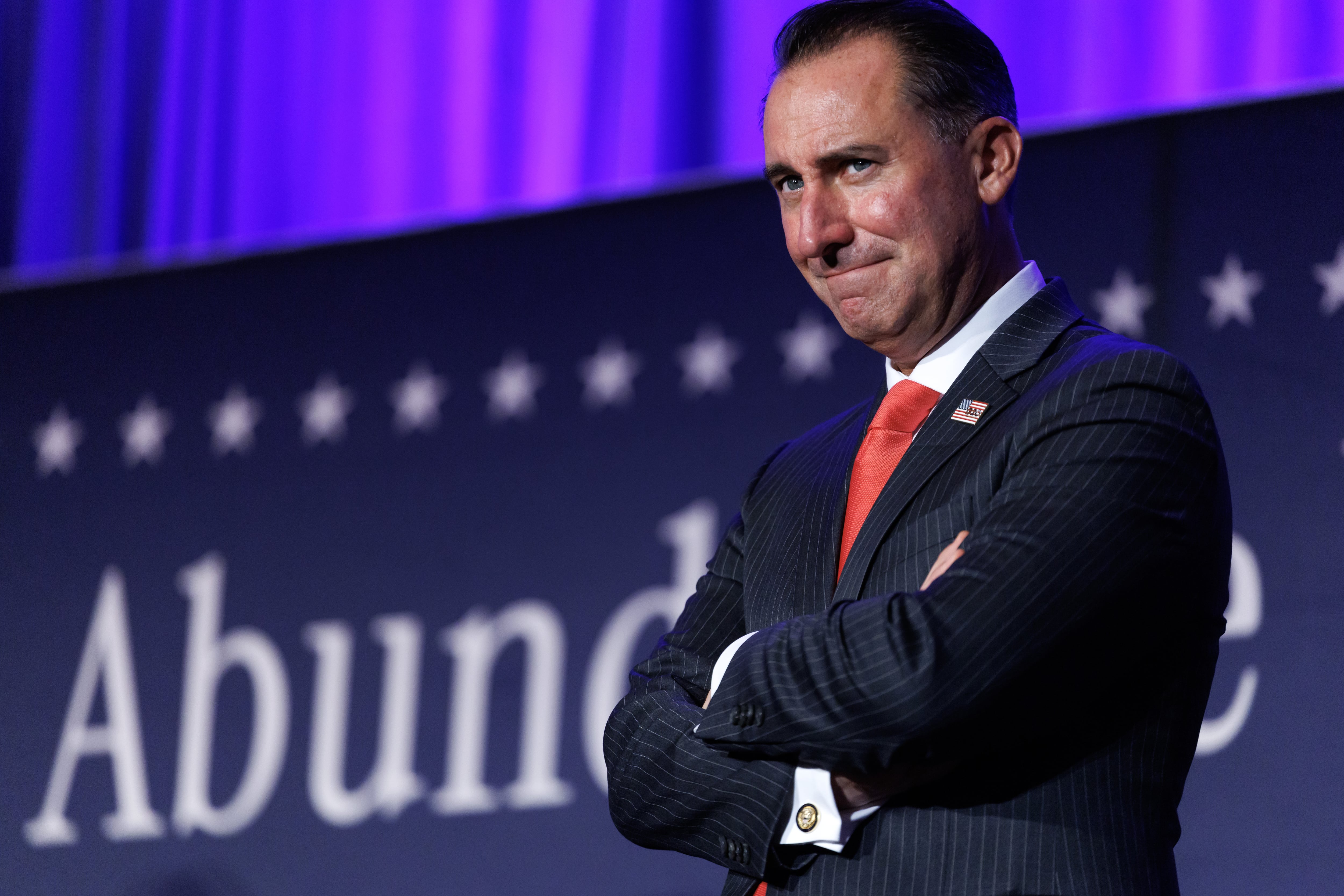
Nearly seven months into a war that has altered the global energy landscape, the individual leading the US President Donald Trump's energy strategy says the battle over Middle East oil is no longer solely about supply – it's about the pathways that transport it. "We need to downplay the [Hormuz] strait," asserts Jarrod Agen, the head of America's Energy Dominance Council.
"When Europe had to withdraw from Russian gas, we examined other routes to bring US liquefied natural gas (LNG) into Europe to replace Russian gas. We aim to establish a similar system in the Gulf." Speaking to On The Record with Hadley Gamble at the United Nations General Assembly, Mr Agen emphasized redundancy: multiple routes that cannot simultaneously be incapacitated.
This entails "numerous paths, distinct corridors, either east-west, bypassing the strait, or entering Turkey or the Mediterranean," with the UAE and Saudi Arabia acting as crucial partners with the US. "How do we create alternative routes beyond the bypass route so that no single route can impede and halt progress?" Mr Agen inquired.
"President Trump is the one who can orchestrate everyone around the table and secure their agreement." The Iran conflict, which began in February, has seen Brent crude prices fluctuate from around $72 a barrel to a peak near $120, dip below $70 midsummer, and return above $104 by mid-September as renewed attacks on shipping and energy infrastructure have reversed earlier gains.
Vessel traffic through the Strait of Hormuz – the channel that once handled over 20% of the world's oil trade – has plummeted by approximately 95%, from more than 100 ships a day to as few as five. War-risk insurance for tankers attempting the transit has surged into the millions of dollars per voyage. American consumers, meanwhile, have witnessed pump prices soaring to their highest levels since 2023.
When outlining the situation, Mr Agen began with chokepoints instead of barrels. "The most critical globally is refining," he stated. "Refining capacity in the United States is at 100%. We are tapped out." He noted the disparity worldwide. "Russia's refining capacity has declined by 30% to 40%. China still has room for more refining, more exports," he added.
However, the fundamental change, according to Mr Agen, is strategic rather than technical, with the Middle East energy map fundamentally transformed. "If you don't have your own energy supply that you can rely on, it affects everything. It's not just your economy, it's your national security. And it's your entire foreign policy as well," Mr Agen stated.
Asked about the costs, Mr Agen acknowledged the magnitude. "Yes, the infrastructure commitment will be in the billions," he remarked. "But consider the long-term benefits." When asked to quantify the new energy security premium, Mr Agen reframed the value producers are acquiring. "It's almost impossible to calculate, because energy security is national security," he said.
This perspective builds upon an industry-wide investment deficit that existed before the war. Analysts from the International Energy Forum and S&P Global have estimated the annual upstream spending required until 2030 to range between $400 billion and $640 billion. This figure has surged significantly from the $483 billion peak reached in 2019, solely to counteract accelerating decline rates in existing fields, before even considering new bypass pipelines, storage, or alternative Gulf export corridors.
Mr Agen's perspective suggests the war has added a security premium on top of that existing baseline: infrastructure spending that Gulf states will now incur not to expand supply, but to safeguard it against future disruptions.
Written by urgent.news from The National Business's reporting — not their text. Machine-written — may contain errors; check the original before relying on it.
This story
This is one outlet's version. Read the fullest account.