This Sicilian community has endured for centuries. Can it survive a changing climate?
For centuries, the Arbëreshë of Sicily have maintained a culture rooted in farming and the land. Drought, wildfires and emigration are testing whether it can endure.
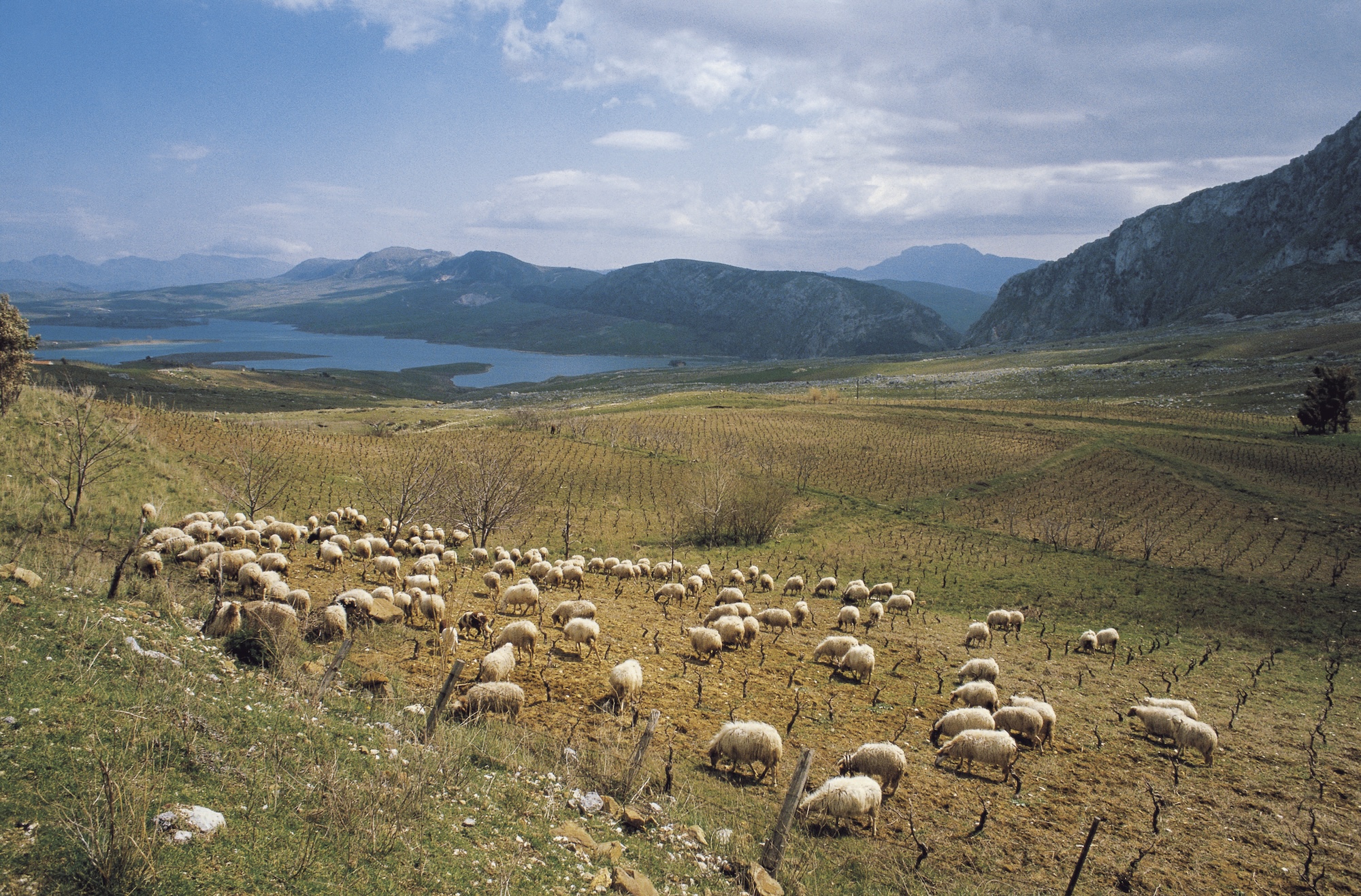
Giorgia Caruso envisioned her children inheriting the farm her family had tended for generations. She envisioned her daughters continuing the family's organic meat and dairy production, carrying on a way of life that had been central to Piana degli Albanesi, a community founded 500 years ago by Albanian refugees fleeing the Ottoman conquest.
The town, nestled on a fertile plateau in the mountains south of Palermo, had provided much of Sicily's wheat and dairy. Caruso hoped her daughters would take over the family's farming business. However, a devastating wildfire in late July three years ago claimed several acres of land and almost two dozen sheep, leaving the family uncertain about the future of their agricultural business.
Many residents, including Caruso, have considered resettling to safer areas, even abroad, but remain hesitant to leave their homeland. The Arbëreshë, Sicily's Albanian ethnic minority, has faced similar struggles for centuries. Piana's microclimate, marked by extreme heat and little rainfall, is warming at a rate 20 percent faster than the global average.
With summer temperatures averaging 85 degrees Fahrenheit over the past decade and nearly half of Italy's wildfires occurring in the region, the town has seen four wildfires in the last six years, displacing over 100 people in 2021 and damaging homes this past summer. As farming becomes increasingly precarious, residents are leaving.
Piana has lost nearly 17 percent of its population since 2015, almost three times the decline across Sicily as a whole. This exodus raises fears that climate change is accelerating the erosion of one of southern Europe's oldest ethnic minority communities. Giovanni Scalora, a fourth-generation Arbëreshë farmer, expressed his concern, stating that if their lands burn, there will be no jobs or homes for them, and a part of Sicily's, Albania's, and Europe's cultural history will disappear.
Written by urgent.news from Grist's reporting — not their text. Machine-written — may contain errors; check the original before relying on it.