The seductive metal: Can GoldBod build a healthier gold shore?
Ghana has an opportunity to make gold work not only for national wealth, but for healthier people, protected rivers and resilient communities.
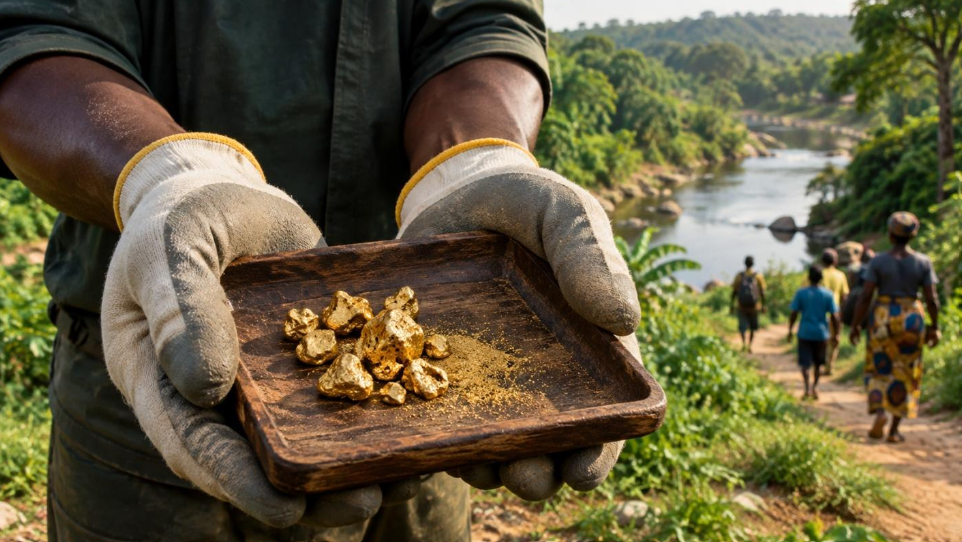
Ghana possesses a unique opportunity to transform the gold trade into a source of national prosperity and improved living standards. Gold possesses an allure as a symbol of permanence and value, but its very presence reveals a more complex reality. Gold is often a measure of a society's preparedness to protect its resources while pursuing wealth.
Throughout its history, Ghana, once known as the Gold Coast, has experienced both the allure and challenges of gold. The country's extraction of gold has frequently led to conquest, extraction, and unequal exchange. Thus, Ghana's GoldBod, the body responsible for overseeing the gold trade, is more than just a public institution.
It represents a pivotal moment to redefine the relationship between gold, national development, and public wellbeing. By enhancing the oversight of the gold trade and promoting formal, traceable mining practices, GoldBod can help Ghana retain more value from its natural resources, curb illicit activities, and direct the gains of gold towards national progress.
Ghana does not have to choose between gold and development. The country should aim to harness the potential of gold to deliver development in its broader sense: providing decent livelihoods, ensuring safer working conditions, securing clean water, fostering agricultural productivity, safeguarding children's health, and establishing communities that can thrive post-mining activities.
One Ashanti proverb advises that gold should only be sold to those who understand its true value. Ghana must define the value of gold more comprehensively. While gold's market price is a crucial metric, it does not factor in the detrimental consequences of polluted rivers, lost agricultural lands, exposure to toxic substances like mercury, or communities left with unsafe mining pits.
Thus, when the cost of gold proves to be too high, the strategy should not aim to stifle miners or deny communities their income. Instead, it should focus on making mining safer, lawful, and more beneficial for the local population. However, the stakes of health and the environment are all too real. Improper mining methods can expose workers and nearby communities to dust, hazardous chemicals, unsafe pits, and contaminated water.
Mining activities can also exert pressure on agricultural lands, water bodies, and local infrastructure. Therefore, the strongest argument for reform is a human one: preventing preventable diseases, protecting children and pregnant women, preserving food systems, and ensuring that the communities do not bear the costs of wealth they did not fairly share.
The same applies to the environment. When forests are cleared and waterways are polluted, the effects extend well beyond the mining site, affecting agriculture, fishing, biodiversity, and household water security. In a nation where rivers and land sustain countless families, environmental preservation is not an obstacle to development; it is an integral part of it.
Ghana's ongoing struggle with small-scale gold mining, known locally as galamsey, underscores the complexity of this issue. Small-scale mining is not merely an enforcement matter; it is a livelihoods, governance, and development issue. Where people lack viable income opportunities, illegal activities can flourish. Where regulations are inconsistently enforced, communities lose trust.
And when the benefits of gold do not visibly return to local populations, resentment is bound to rise. In essence, GoldBod's mission is multifaceted. Its primary objective is to bring more miners into a lawful and accountable system that rewards responsible practices, enhances transparency, and makes it more challenging for illicit gold to enter the market.
Implementing a traceability system can help identify the origins of gold and encourage legal operations to adhere to environmental and social standards. The public should gauge GoldBod's achievements through tangible outcomes rather than merely national statistics. Key questions to assess the progress of GoldBod include: Does formalization improve mine safety for miners?
Does it enhance efforts to protect water resources and restore land? Does it diminish the prevalence of illegal and destructive mining? Does it lead to better livelihoods for mining communities, improved local services, and a meaningful voice in decisions impacting their land? These are not external demands placed on GoldBod. Instead, they represent the foundation of its public purpose.
A gold sector that earns the trust of communities and safeguards natural resources will be more stable, more attractive to investors, and more valuable to Ghana in the long term. A Ghanaian proverb cautions that those who pursue wealth will ultimately become its slaves. The warning isn't against accumulating wealth; it is a reminder against allowing wealth to dictate public judgment.
Ghana's role is not to abandon gold but to ensure that gold serves the country's people. If GoldBod succeeds in promoting responsible mining, improving traceability, curbing illicit trade, and placing community welfare at the heart of the gold economy, it can help Ghana realize the promise of a modern Gold Shore. This envisioned Gold Shore should be assessed not just by what leaves Ghana's borders, but by what remains: thriving rivers, fertile lands, safer workplaces, healthier families, and communities that share in the wealth beneath their feet.
Written by urgent.news from MyJoyOnline Ghana's reporting — not their text. Machine-written — may contain errors; check the original before relying on it.