The more Americans hear about datacenters, the less they like them
Pew finds growing concern over their effects on energy bills, the environment, and nearby communities
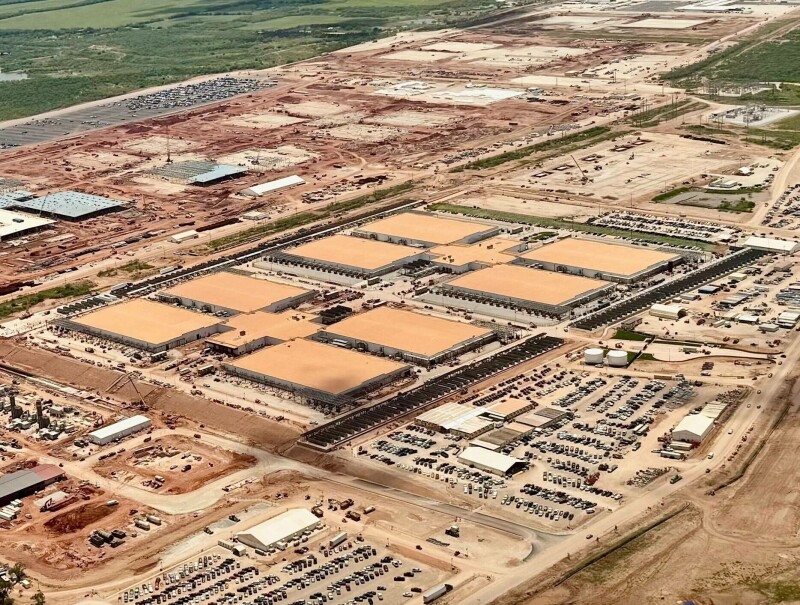
Recent Pew Research Center survey data reveals growing American discontent with datacenters. Between July and August, 54% of 10,548 surveyed adults deemed datacenters mostly bad for the environment, compared to 39% in January. An additional 50% found them detrimental to household energy costs, up from 38% in January, while 49% expressed negative views on the quality of life for nearby residents, up from 30%.
Only 4% saw positive impacts. Views on local employment and tax revenue were more mixed, with 12% reporting unfamiliarity with datacenters. This shift in sentiment is evident across demographics, with men, women, and individuals of all ages and education levels, as well as urban, suburban, and rural residents, growing increasingly negative since the beginning of the year.
Even party affiliations show no significant difference, although Republicans have shown a larger increase, with 42% now viewing datacenters negatively for nearby residents' quality of life, up from 24% in January. The Pew survey coincides with heightened scrutiny over datacenters' environmental impact, including rising electricity and water consumption and their effects on household utility bills.
Senators are investigating these issues, and Amazon's chief sustainability officer emphasized the need for greater transparency and accountability from datacenter operators. Despite industry recognition of its image problem, 60% of respondents expressed discomfort with a new datacenter operating nearby, with majorities in urban, suburban, and rural communities sharing this sentiment.
Written by urgent.news from The Register Science's reporting — not their text. Machine-written — may contain errors; check the original before relying on it.