The limitations of Africa's 'value addition' mantra
African governments increasingly want partnerships that build domestic capacity, rather than simply finance projects or provide an exit route for commodities.
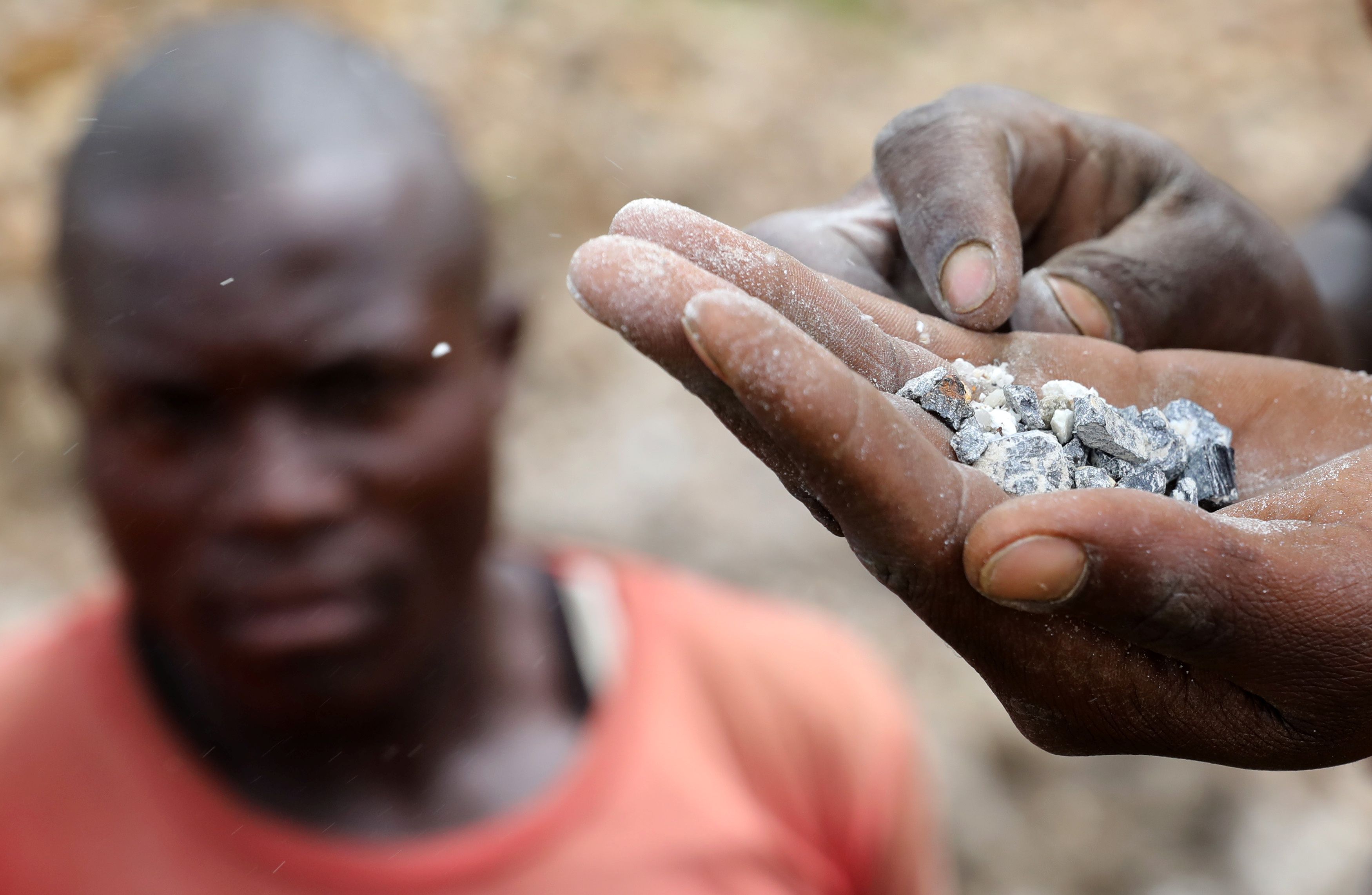
For decades, discussions around Africa's natural resources centered on who reaped the benefits of what the continent extracted and shipped. However, at Semafor's The Next 3 Billion summit in New York, the focus shifted towards building economic ecosystems around these resources before they leave the continent. This involved moving beyond mere extraction to processing, manufacturing, infrastructure, energy, and the associated jobs.
African governments are increasingly seeking partnerships that foster domestic capacity, rather than simply providing finance or an exit route for commodities. Nigeria's trade minister, Jumoke Oduwole, emphasized her government's desire for partners who would develop the value chain and create jobs on Nigerian soil. Similarly, DR Congo's Prime Minister, Judith Suminwa, stressed the need for economic and foreign partner diversification, stating that partnerships should "bring a plus" to the country.
This strategy suggests that African nations should not solely rely on partnerships with China, the US, Europe, or the Gulf, but rather seek a competitive advantage by leveraging the competition among them. While the logic behind this approach is compelling, there is a risk in viewing "value addition" as the sole solution to development challenges.
The process of refining minerals, refining oil, generating power, and building transport infrastructure requires substantial reliable electricity, transport infrastructure, capital, and technical expertise. In some instances, importing finished products might be more cost-effective than producing them locally. Moreover, simply building a factory does not guarantee the creation of a competitive industry.
The real opportunity lies in transforming resource abundance into productive capacity without industrial policy turning into a costly symbol. An example of this economic power is seen in Dangote's Lagos refinery, which generated $1.8 billion in profit after tax in the first half of the year, surpassing its total revenue for 2025.
The company's recent IPO was the largest in Africa's history, demonstrating the potential of domestic production.
Written by urgent.news from Semafor's reporting — not their text. Machine-written — may contain errors; check the original before relying on it.