The AI factory is becoming the computer and it’s changing the semiconductor race
The next phase of artificial intelligence infrastructure will not be defined by a single graphics processing unit, chip architecture or model. Compute, memory, networking, packaging, power and software are converging into a new systems architecture with sovereignty emerging as a consequence of that shift. The semiconductor industry is entering a new phase of the artificial […] The post The AI…
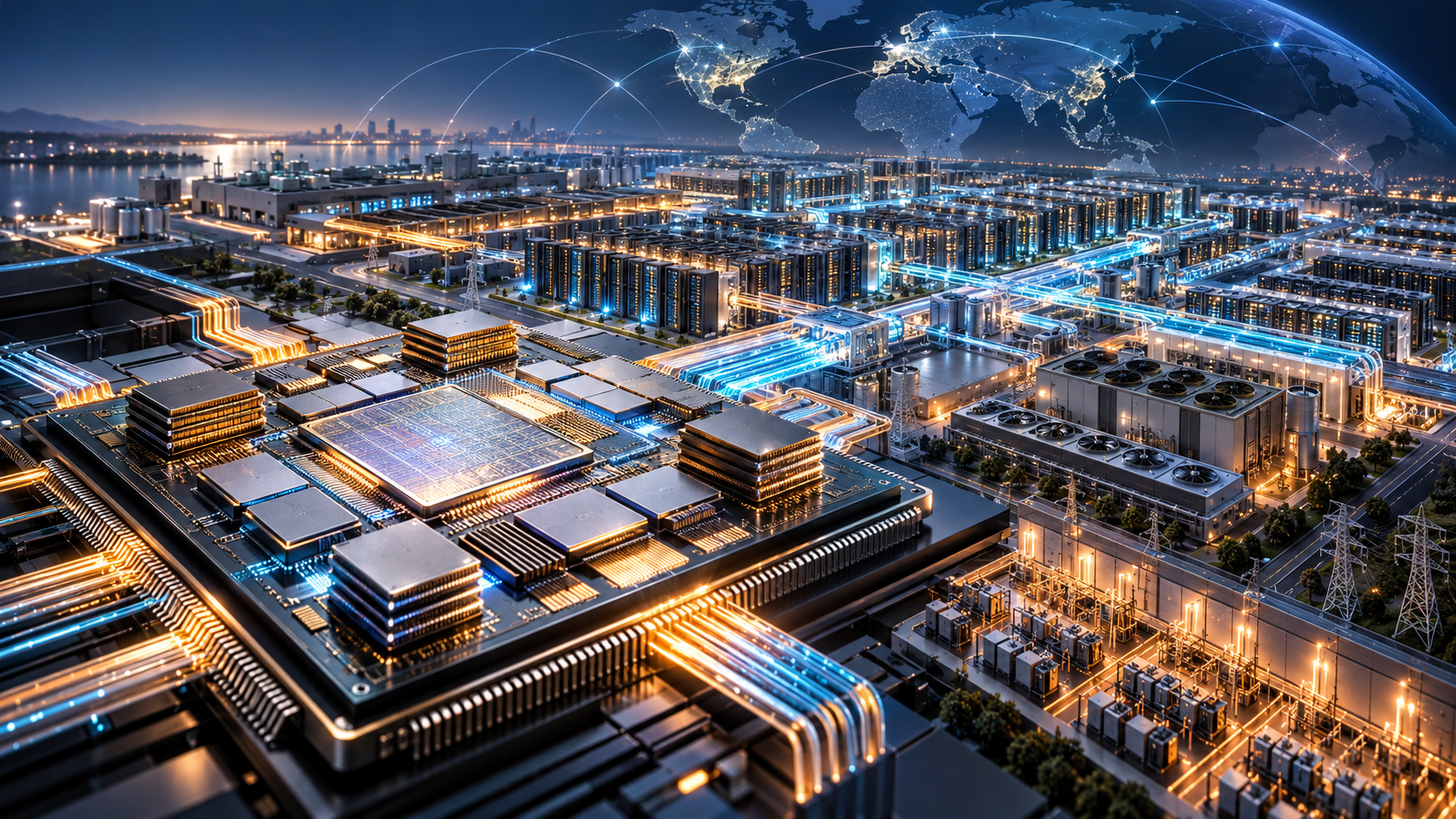
Artificial intelligence (AI) is transforming the semiconductor industry, as compute, memory, networking, packaging, power and software converge into a new systems architecture, with sovereignty emerging as a consequence. The market is underestimating the profound architectural change that is happening.
Leaders from major companies in the AI infrastructure ecosystem discuss how the center of gravity is shifting from the chip to the systems surrounding it. This includes CPUs, GPUs, custom accelerators, memory, networking, chiplets, advanced packaging, optics, cooling and software. The economics, competitive dynamics and geopolitical implications of semiconductors are also changing.
AI workloads have very different compute characteristics than traditional workloads, requiring a new approach to designing computers. Modular architectures and chiplets allow suppliers to create workload-specific variations while retaining common foundations. AMD's Venice designs and custom accelerators from companies like Nvidia, Amazon Web Services, Microsoft, Meta Platforms, and OpenAI are examples of this trend.
Memory is becoming increasingly important in AI infrastructure, with co-designing logic, memory, and packaging essential. The memory hierarchy is now designed in conjunction with the compute system, as memory bandwidth, capacity, power consumption and physical proximity to compute play a crucial role in system performance. This shift in focus is changing the AI value chain, making memory suppliers more critical to the industry.
The AI infrastructure race is no longer just about buying chips; it is about designing systems around workloads. As one constraint in the AI factory is solved, pressure moves to another. The semiconductor industry is working through advanced packaging, large substrates, memory qualification, 3D integration and thermal management as critical constraints. The relevant question is no longer how quickly GPUs can be shipped, but rather how fast the entire supply chain can deliver a functioning unit of intelligence production.
Written by urgent.news from SiliconANGLE's reporting — not their text. Machine-written — may contain errors; check the original before relying on it.