Steam game disables mods after facing its second Workshop malware outbreak this year
A self-replicating virus is once again wreaking havoc on People Playground.
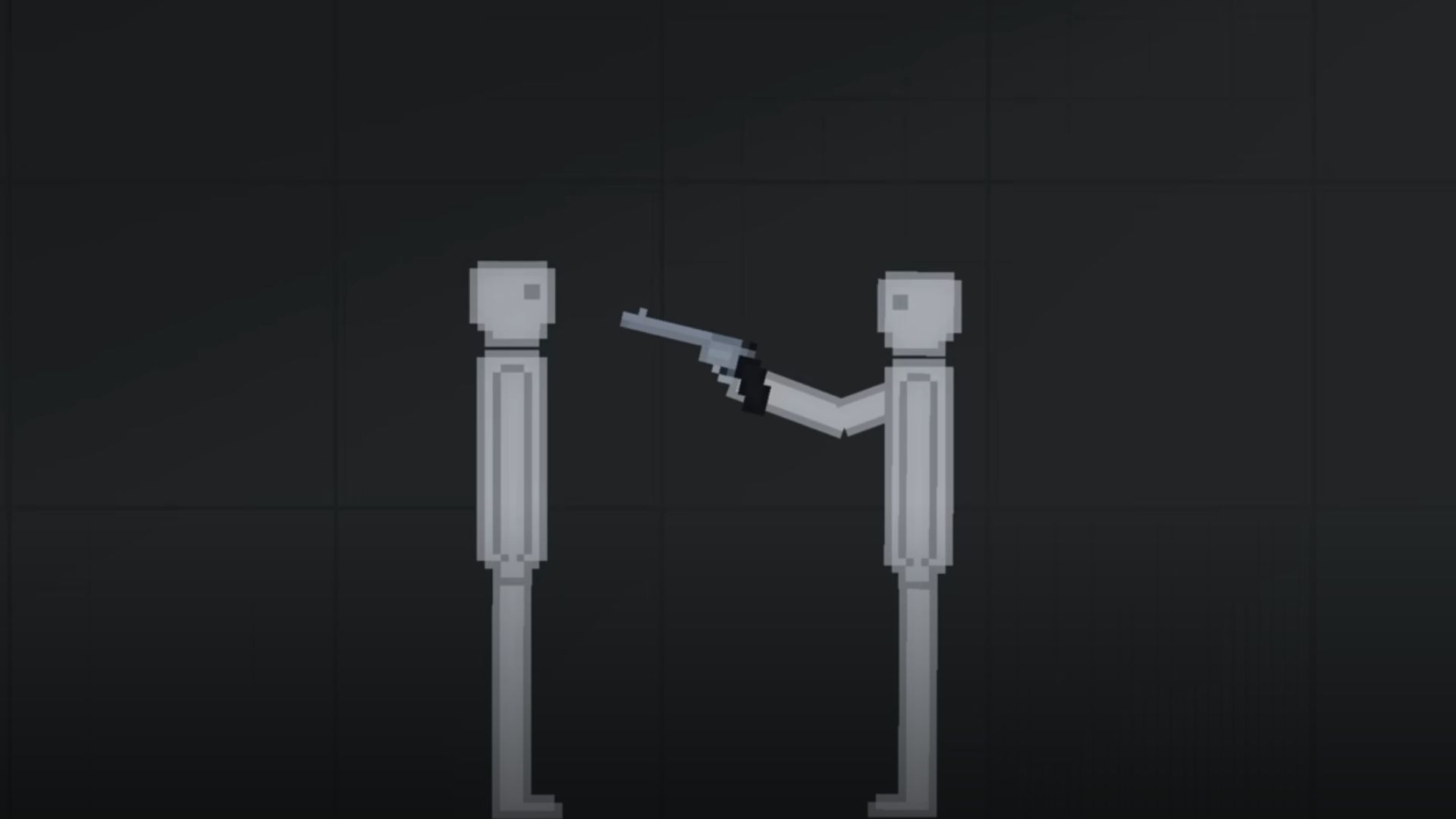
On September 22, Studio Minus, the developer of the game People Playground, announced they had disabled Steam Workshop support due to a malicious mod. The developer described the mod as "especially bad". In response, they released a new build of People Playground which prevents mods from running, stating that Workshop and mod support would only return if mods were fundamentally safe to run.
Studio Minus clarified that the infected mod does not steal passwords or other credentials, but they urged People Playground users to change their passwords as a precaution. This is the second Workshop malware incident for People Playground this year, following a similar outbreak in February. Studio Minus previously disabled the game's Workshop after the outbreak.
The developer zooi, who is People Playground's primary developer, called the game a "technical hellscape", making it technically impossible to properly sandbox mods in its current state. The developer also described the situation as a "hopeless arms race". While Studio Minus claims that the software has measures in place to prevent malicious mod activity, zooi acknowledged it as a "hopeless arms race".
The situation with People Playground reflects broader concerns about the safety of Steam Workshop this year. Since the start of 2026, there have been at least three other cases of Workshop-related malware incidents. These include malicious Project Zomboid mods in April, virus-laden anime ladies in Wallpaper Engine in June, and malware-infested Meccha Chameleon maps that led to the hacking of its Discord in July.
This reflects the double-edged sword of Steam's relatively open publishing platform - it offers a wealth of games from small developers, but it can't always provide the same level of software security as more established platforms.
Written by urgent.news from PC Gamer's reporting — not their text. Machine-written — may contain errors; check the original before relying on it.