Spritpreise: ADAC fordert Abschaffung der 12-Uhr-Regel an Tankstellen
Seit April dürfen nur um 12 Uhr die Spritpreise an den Tankstellen erhöht werden. Der ADAC kritisiert, dass die Regel vor allem zu noch größeren Preisschwankungen im Tagesverlauf geführt habe.
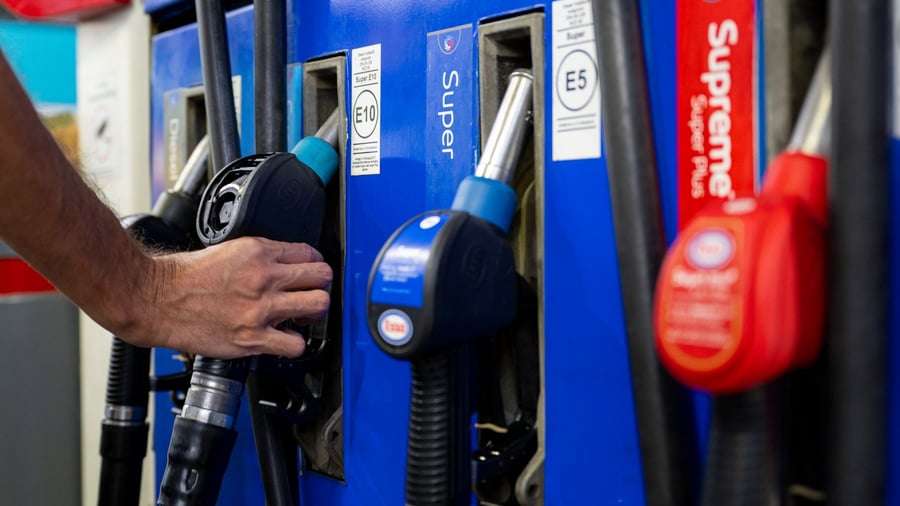
The ADAC has called for the abolition of the so-called 12-o'clock rule at petrol stations. While this rule has reduced the number of daily price changes and made the timing of price increases more predictable, it has not lowered prices, the ADAC stated. In fact, the price difference within a single day has become significantly wider.
The 12-o'clock rule has been in place in Germany since April 1st, when petrol and diesel stations are only allowed to increase prices once a day, at 12:00 PM. Lowering prices is possible at any other time. The ADAC argues that anyone filling up after 12 PM faces significant additional costs that are unjustified. The 12-o'clock rule did not achieve its goal from a consumer perspective, said ADAC president for traffic, Peter König.
The ADAC is not alone in criticizing the regulation. The Leibniz Center for European Economic Research (ZEW) reported in an evaluation at the end of April that the single price increase led to higher average prices. "Prices were systematically higher from midday to the evening, while prices in the morning tended to fall below the daily average," the report said.
Before the 12-o'clock rule, consumers would have had numerous opportunities throughout the day to fill up cheaper. Even the Fraunhofer Institute for System and Innovation Research assessed the measure negatively. The ADAC sees the temporarily reduced energy tax as the right step, which is currently the feasible way to relieve motorists.
It must be ensured that the tax reduction is passed on as fully as possible to the petrol pump. The ADAC wants to accompany the announced fuel price ceiling constructively: a government-determined maximum price could protect against extreme price spikes in the short term, but would not automatically guarantee lower prices in the long run. The specific amount and calculation of the permissible price are crucial.
Written by urgent.news from Handelsblatt's reporting — not their text. Machine-written — may contain errors; check the original before relying on it.