South Africa’s Mpox numbers creep up to 22: Here’s what you need to know
The majority of Mpox infections are in the Western Cape
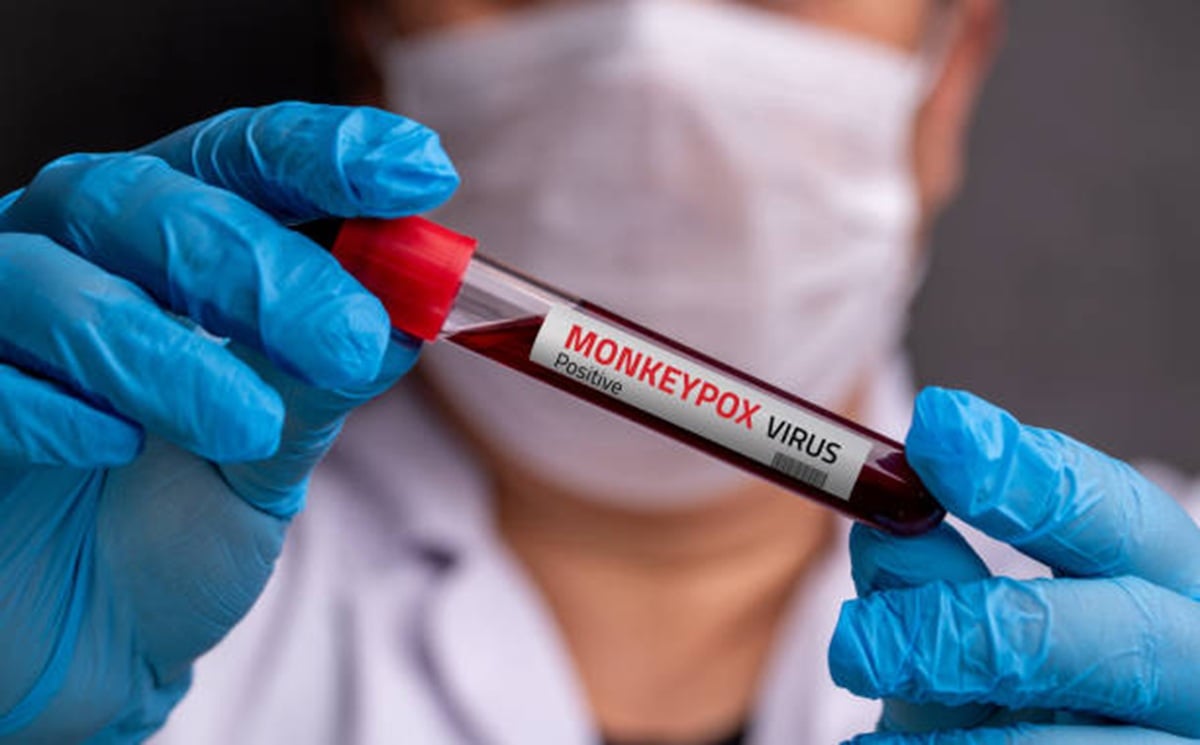
South Africa reported an additional four laboratory-confirmed Mpox cases, raising the total count to 22 as of Tuesday, according to the report. Imported cases are contributing to the rise, with a 47-year-old South African tourist from Spain, as well as visiting nationals from Norway and Germany, contracting the virus. The majority of infections have been concentrated in the Western Cape, accounting for 18 cases, while Gauteng has reported three instances, and KwaZulu-Natal a single case.
The majority of the patients identified thus far are male, aged between 23 and 50. In July, the Africa Centre for Disease Control and Prevention provided over 10,000 Mpox vaccines to the National Health Department. Gauteng's Health Department has affirmed readiness to handle potential Mpox outbreaks, stating that 586 doses are currently available and stored in regional pharmacies for distribution to local clinics.
Symptoms of Mpox typically begin with flu-like signs, progressing to skin rashes, and may include fever, severe headaches, muscle aches, and persistent back pain. The characteristic sign of Mpox is a painful rash or raised fluid-filled lesions on various body parts, including the face, hands, feet, and intimate areas. Transmission of the virus primarily occurs through close physical contact, involving direct skin-to-skin contact with infected lesions or body fluids.
It can also spread through shared items like unwashed bedding, towels, or clothing used by an infected individual. If one suspects exposure, the Health Department spokesperson Foster Mohale urged immediate medical attention, emphasizing the importance of informing healthcare providers about the potential exposure history. While the Western Cape region has the primary cluster of cases, the identification of transmission clusters across multiple provinces underscores the need for ongoing public vigilance, early detection, and continued surveillance to curb further spread, with official channels promising to provide further updates as new data emerges.
Written by urgent.news from The Citizen's reporting — not their text. Machine-written — may contain errors; check the original before relying on it.