#SHOWBIZ: AI song hits Korean charts, uncovering legal grey area
SEOUL: A hit song on the radio usually brings fame and fortune to its creator. But in South Korea, a recent chart-topper has instead blown open a massive legal headache for the entire music industry.
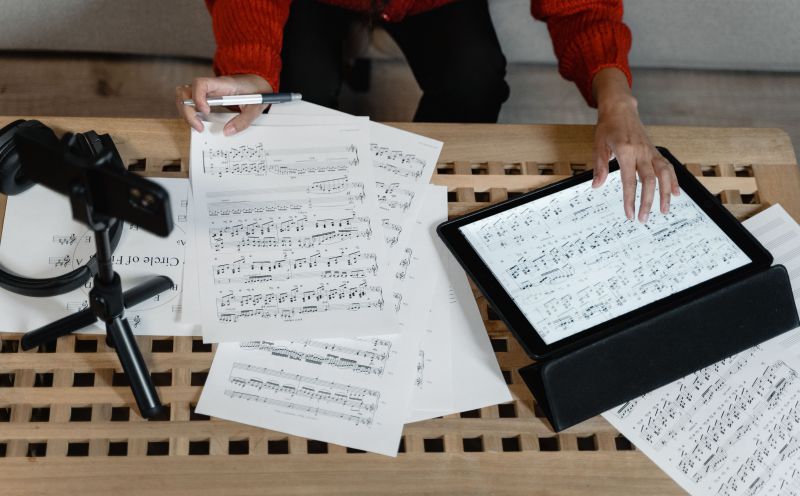
Seoul, South Korea - The recent chart-topper, Forest of the Heart, has stirred a significant legal confusion within the music industry in Korea. Created by YouTuber Joseon HipHop, the song made its way to the Top 100 on Melon, South Korea's leading streaming platform. Its popularity was largely driven by word of mouth, especially among the older generation. However, the song's creation sparked controversy due to its use of AI-generated melody and vocals, which were composed by the AI platform, Suno.
This success of the AI-generated song has exposed a glaring regulatory vacuum, leaving the music industry in a legal grey area. The core issue revolves around ownership of rights and royalty payments for AI-assisted music. The timing of this development is particularly unfortunate as just weeks prior, the Korea Music Copyright Association (KOMCA) had been attempting to establish basic ground rules for AI-assisted tracks.
They had agreed to register such tracks if a human had made a substantial creative contribution to the lyrics or arrangement. However, after a mere 22 days, KOMCA abandoned these proposed rules following strong opposition from both government officials and the public.
The situation left musicians and producers utterly uncertain about their rights. According to official data, thousands of songs already submitted to copyright bodies show evidence of AI involvement. Presently, Korean guidelines stipulate that music created without human effort is not eligible for copyright protection. Yet, there is widespread disagreement on the extent of human input required to qualify as a genuine song.
Industry experts warn that the influx of AI-generated tracks is already disrupting the traditional music market. While nations like the US and Germany are moving towards more definitive guidelines on human authorship, South Korea is lagging behind.
The real question now is not just whether AI music should be allowed in mainstream media, but whether the law can keep up with the rapid advancements in technology.
Written by urgent.news from New Straits Times's reporting — not their text. Machine-written — may contain errors; check the original before relying on it.
This story
This is one outlet's version. Read the fullest account.