ShinyHunters Claims FBI Breach, Says It Stole Data on Agents and Job Applicants
The cyber extortion group known as ShinyHunters on Tuesday claimed it had breached the U.S. Federal Bureau of Investigation and stolen data belonging to current and former employees at the agency. "We have compromised the FBI. We hold very sensitive data on almost ALL FBI Agents and individuals who filed an application with the FBI for a job," the group said in a statement posted on their dark
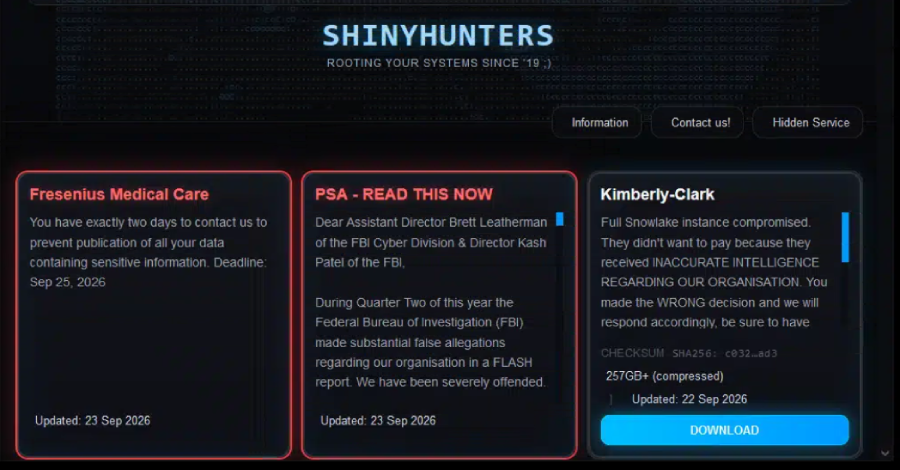
In May, the FBI cautioned the public about a cybercriminal group, ShinyHunters, known for stealing sensitive data and demanding payment to retract false allegations. ShinyHunters claims they have stolen personal data on FBI employees and job applicants, including names, home addresses, phone numbers, and details about their spouses.
The group demanded that the FBI retract a warning from May, stating that the allegations were false. ShinyHunters also defaced an FBI recruitment website with a threat to retract the warning. The agency is currently investigating the claims, but the FBI remains unaware of the specifics of the alleged breach. The group claims they exploited a zero-day vulnerability in Oracle PeopleSoft software, allowing them to access FBI-managed servers and download large amounts of data.
This breach has serious implications, as the stolen information could be used by scammers, harassers, or foreign intelligence services to reach the victims and their families.
Written by urgent.news from Mashable's reporting — not their text. Machine-written — may contain errors; check the original before relying on it.
This story
This is one outlet's version. Read the fullest account.