Sewage detectives: how UKHSA is using wastewater to track common viruses and emerging threats
The wastewater that we send from our toilets towards sewage treatment plants every day is potentially rich in data about our health. For the past 4 years, UKHSA has been monitoring wastewater across England for signs of polio, and over the past year has been testing new technologies to detect other potential threats. The next …
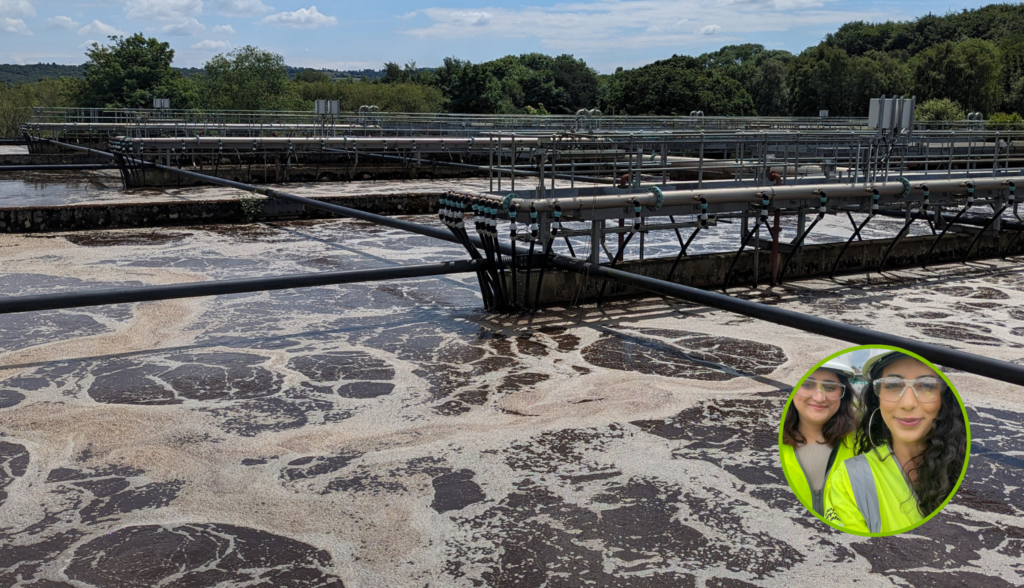
Sewage treatment plants in the UK are providing valuable insights into public health through a new surveillance programme called PRISM. This Pathogen Risk Intelligence through Surveillance and Modelling initiative has been monitoring wastewater for signs of various viruses and pathogens since 2020, with recent investments expanding its capabilities.
PRISM stands out from traditional wastewater monitoring methods by testing a single sample for multiple pathogens simultaneously, maximizing the value derived from each sample. This multi-pathogen approach has already demonstrated success, enabling UKHSA to test for norovirus, enterovirus, flu A and B, rhinovirus, RSV, COVID-19 identifiers, and more.
The programme currently covers the wastewater of approximately 25 million people across England, built on existing infrastructure from the UK's polio elimination programme. PRISM detects the presence or absence of pathogens but also takes a less targeted approach to identify any or all pathogens in a sample, crucial for detecting new or unusual threats.
In the coming year, PRISM plans to invest in new technology-driven capabilities, increasing coverage and improving detection of previously hard-to-detect pathogens. The programme will prioritize testing new targets, including diseases like mpox, measles, avian influenza, Crimean-Congo haemorrhagic fever, West Nile virus, Lassa fever, MERS-CoV, hepatitis A and E, and two key pathogens in the fight against antimicrobial resistance: Candida auris and hypervirulent Klebsiella pneumoniae.
PRISM's future ambitions include exploring targeted surveillance in hospitals and transport hubs, as well as air surveillance. The ultimate goal is to integrate PRISM's findings with existing public health surveillance systems, directly informing decisions and protecting communities across England.
Written by urgent.news from UK Health Security Agency's reporting — not their text. Machine-written — may contain errors; check the original before relying on it.