Schattenseiten des Herbstes: Nasses Laub als Rutschfalle: Was vor Stürzen schützt
Buntes Herbstlaub ist schön anzusehen. Liegt es aber nass auf dem Gehweg, wird's gefährlich rutschig. Warum Ältere besonders gefährdet sind - und was sie tun können, um sich Stürze zu ersparen.
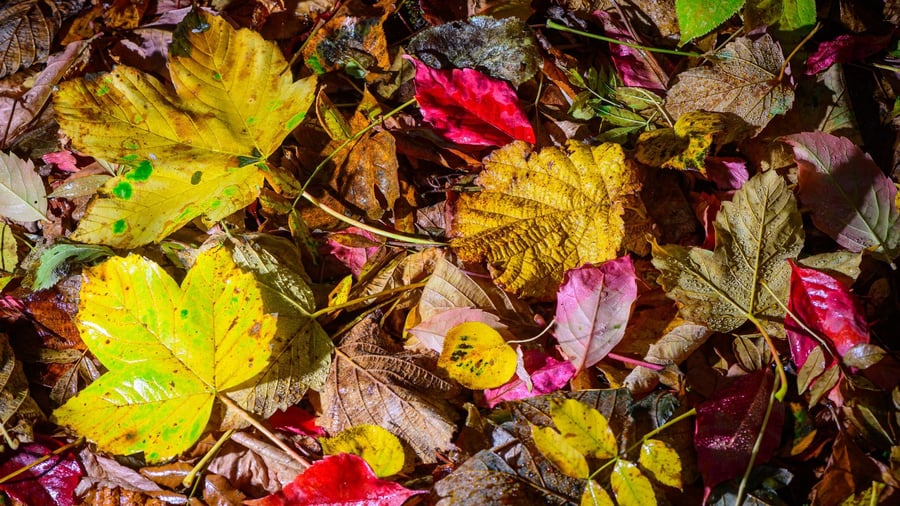
As autumn approaches, the danger of slipping on wet leaves looms long before the first patch of ice appears. Frank Hildebrand, president of the German Society for Orthopaedics and Trauma Surgery, cautions that a slippery sidewalk feels like a greasy floor. If one isn't careful, balance is lost and the next thing you know, you're on the ground – possibly in a hospital.
For the elderly, falls can have serious consequences, including hip fractures and severe head injuries. Hildebrand cites hip joint breaks and significant head traumas as examples. Moreover, the risk of falling increases with age due to decreased muscle strength, balance, and reaction time. If vision problems or medications causing dizziness are left untreated, the risk of tripping or slipping becomes even higher.
Instead of avoiding outdoor activities altogether, what can older individuals do to protect themselves? Giving up on going out entirely might seem like a solution, but it only exacerbates the problem. Regular exercise tailored to one's abilities is crucial in maintaining muscle strength and balance, thereby reducing the long-term risk of falling.
Walking, strength training, and balance and coordination exercises are particularly helpful. Additionally, making small adjustments can make autumn walks safer. Using handrails and handholds when navigating stairs is essential. Always choose well-lit routes and wear shoes with good support and non-slip soles to maintain a firm grip on the ground.
If rain or ice is forecast, it's even more important to allow extra time for travel. Using assistive devices like a walker or cane can also be beneficial. If you've experienced multiple falls, it's important to investigate the underlying causes, as Hildebrand advises against accepting "it's just old age" as a reason. Addressing vision problems or adjusting medications could help lower the risk of future falls.
Written by urgent.news from Handelsblatt's reporting — not their text. Machine-written — may contain errors; check the original before relying on it.