Ruto demands UN Security Council reform, says Africa is permanently excluded
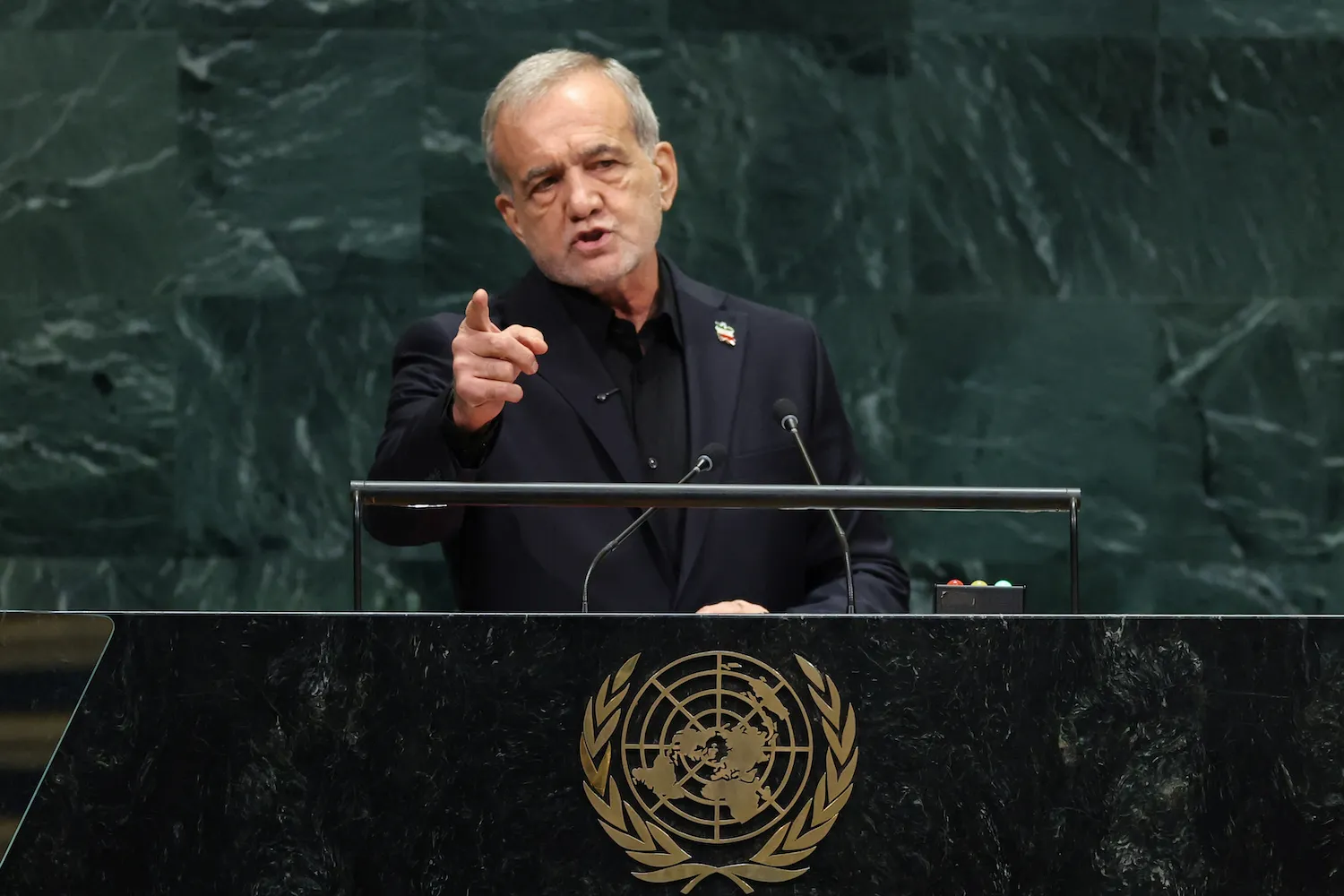
President William Ruto has renewed calls for reform of the United Nations Security Council, arguing that the current structure does not reflect the world as it exists today. Speaking during the 81st United Nations General Assembly (UNGA) in New York on Wednesday, September 2026, Ruto criticised the concentration of permanent power among five countries, saying […]
The Foreign Ministers of Brazil, Germany, India, and Japan have expressed strong support for Africa's call to enhance representation within the United Nations Security Council, including the possibility of permanent seats. They made this stance clear in a joint statement following a meeting in New York on the sidelines of the UN General Assembly.
Comprising the Brazilian Foreign Minister Mauro Vieira, the German Federal Foreign Minister Johann Wadephul, the Indian External Affairs Minister Subrahmanyam Jaishankar, and the Japanese Foreign Minister Motegi Toshimitsu, the G4 also acknowledged the African Group's reform model proposed during the 80th session of the Intergovernmental Negotiations on Security Council reform.
They reiterated their backing for Africa's demand for greater representation, specifically highlighting the need for permanent seats. The ministers pointed out that the UN Security Council's current structure, which was established eight decades ago, no longer accurately reflects modern geopolitical dynamics, and its composition is now a hindrance to addressing contemporary and future threats to international peace and security.
They emphasized the urgent need for reform to improve both the representativeness and efficacy of the council. The G4 highlighted the historical inequalities in the representation of certain regions, particularly Africa, and called for a more equitable distribution of seats, especially for under-represented areas like Africa, the Asia-Pacific, and Latin America and the Caribbean.
The development is particularly significant for Africa, which currently holds only three non-permanent seats despite its substantial contributions to global peace and security. The African Union has long advocated for at least two permanent seats for Africa, with the same rights and privileges as existing permanent members, including the veto if the charter remains intact, along with five non-permanent seats.
The G4's ministers expressed concern over the lack of progress in previous negotiations, criticizing the "so-called bridging proposal" presented despite 18 years of discussions. They argued that such a proposal did not represent the views of the majority of UN member states favoring expansion in both permanent and non-permanent categories.
The G4 pledged to collaborate with other reform-minded groups to craft a model that reflects the majority's stance and called for the commencement of text-based negotiations to achieve genuine and impactful Security Council reform. They also noted that reform discussions should not be limited to the Intergovernmental Negotiations and are open to engaging the broader UN membership through various channels, including the General Assembly.
Written by urgent.news from Punch's reporting — not their text. Machine-written — may contain errors; check the original before relying on it.
This story
This is one outlet's version. Read the fullest account.