Rehda survey finds property developers grappling with rising construction costs amid West Asia conflict
PETALING JAYA, Sept 23 — Property developers in Malaysia continue to navigate a challenging landscape marked by pe...
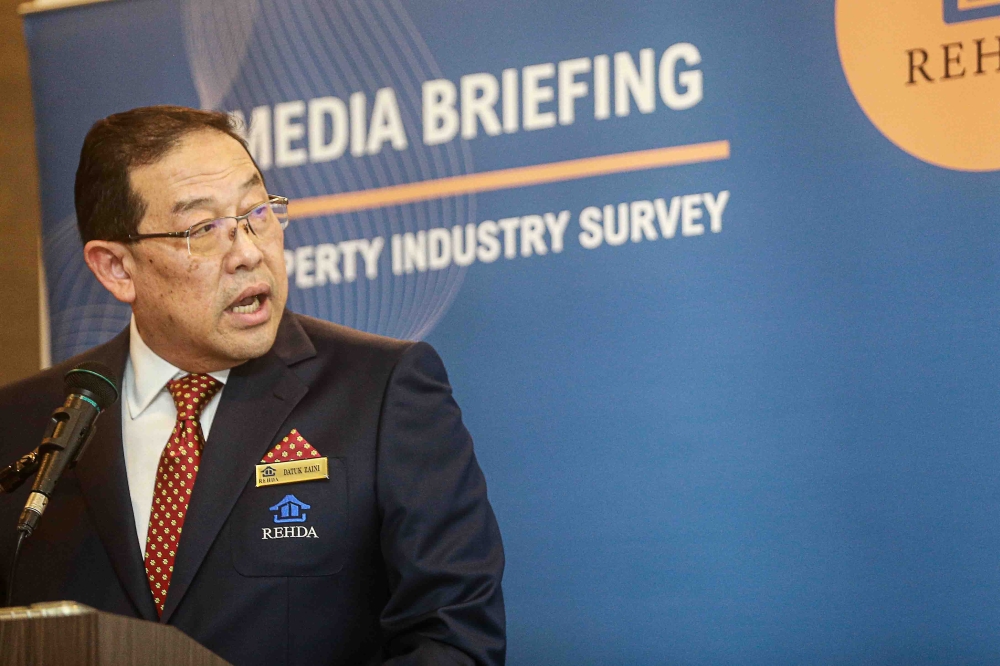
Malaysia's property developers are grappling with escalating construction costs and economic uncertainty, as revealed by a recent Real Estate and Housing Developers' Association (Rehda) Malaysia survey. Eighty-one percent of surveyed developers reported increased business costs, with 35 percent experiencing hikes ranging from three to six percent due to the ongoing West Asia conflict.
Construction challenges, such as building material and labor difficulties, were reported by 63 percent of developers in the first half of 2026, alongside a 13 percent average rise in construction costs between March and June 2026, driven by climbing fuel prices and geopolitical tensions. Rehda Malaysia president Datuk Zaini Yusoff noted that the market remains steady yet soft, forcing developers to operate against a backdrop of rising costs.
Developers have employed cost-cutting measures, including freezing recruitment, reducing employee benefits, and rescheduling or scaling back project launches. Despite these pressures, 63 percent of respondents plan to maintain hiring freezes and 56 percent intend to expand their land banks between July 2026 and June 2027, indicating continued investment in future development despite immediate operational caution.
Thirty-seven percent of developers aim to launch new projects in the second half of 2026, totaling 18,696 units, primarily in the RM300,001 to RM500,000 price range. Reasons for not launching new projects include unfavorable market conditions, regulatory approval delays, and excess unsold stock. Zaini Yusoff emphasized that addressing housing affordability requires a comprehensive approach beyond property prices, incorporating accessible financing and production costs.
Continued collaboration among the government, financial institutions, and the industry is crucial for ensuring Malaysians can afford homeownership, while authorities should review non-essential regulatory and compliance costs to reduce housing delivery expenses. Despite these challenges, the industry remains cautiously optimistic, with improving sentiment towards the domestic economy anticipated for the first half of 2027.
Written by urgent.news from Malay Mail's reporting — not their text. Machine-written — may contain errors; check the original before relying on it.