Q.ANT gives away the software for its light-powered AI chips in a CUDA-style bet on developers
Q.ANT, a startup out of Stuttgart, Germany, builds processors that use light instead of electricity to do some of the The post Q.ANT gives away the software for its light-powered AI chips in a CUDA-style bet on developers appeared first on The New Stack .
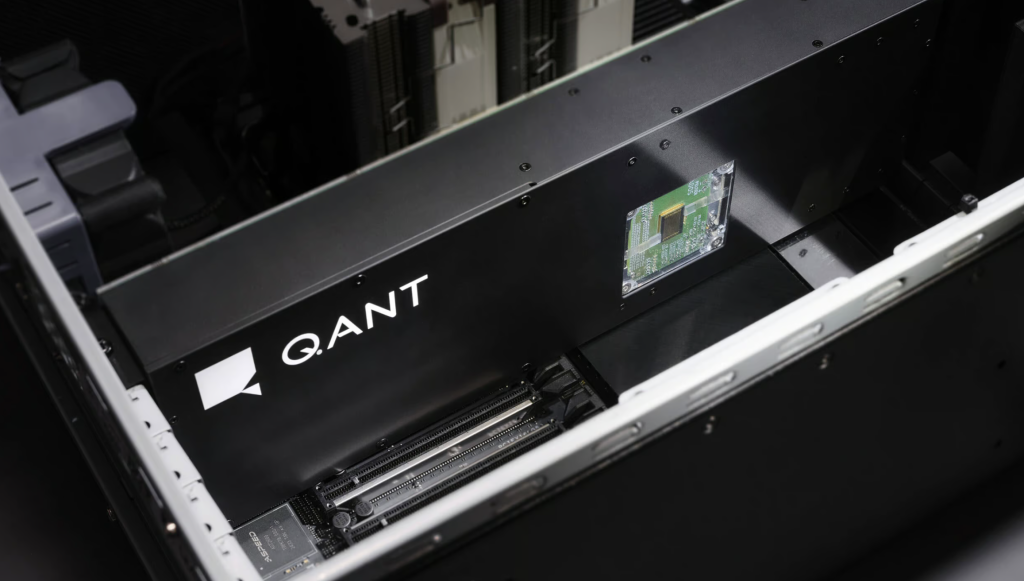
Q.ANT, a Stuttgart-based startup, has released a free, open-source software kit called the Q.ANT Native Computing Toolkit on GitHub. This toolkit allows developers to build and test AI programs on a standard computer, with the option to run them on Q.ANT's unique light-powered AI chips once they become available. The company's chips utilize light, rather than electricity, to perform certain calculations in AI, potentially reducing energy consumption.
The software kit is compatible with Python and C, and includes a simulator that mimics the chip's behavior on a regular computer. The first version of the toolkit focuses on running already-trained AI models, such as recognizing handwritten numbers, identifying objects in photos, and outlining shapes in images. Training for these models still occurs on conventional CPUs and GPUs.
Q.ANT's chips offer improved performance and energy efficiency compared to traditional AI hardware, but these claims require testing on actual devices. The release of this software kit follows Q.ANT's successful crowdfunding round in July 2025, raising €62 million led by Cherry Ventures, UVC Partners, and imec.xpand.
Written by urgent.news from The New Stack's reporting — not their text. Machine-written — may contain errors; check the original before relying on it.