Por qué puede sufrir un susto la Bolsa de Wall Street hasta final de año
Trump 2.0 empata en el parqué con Trump 1.0. Leer
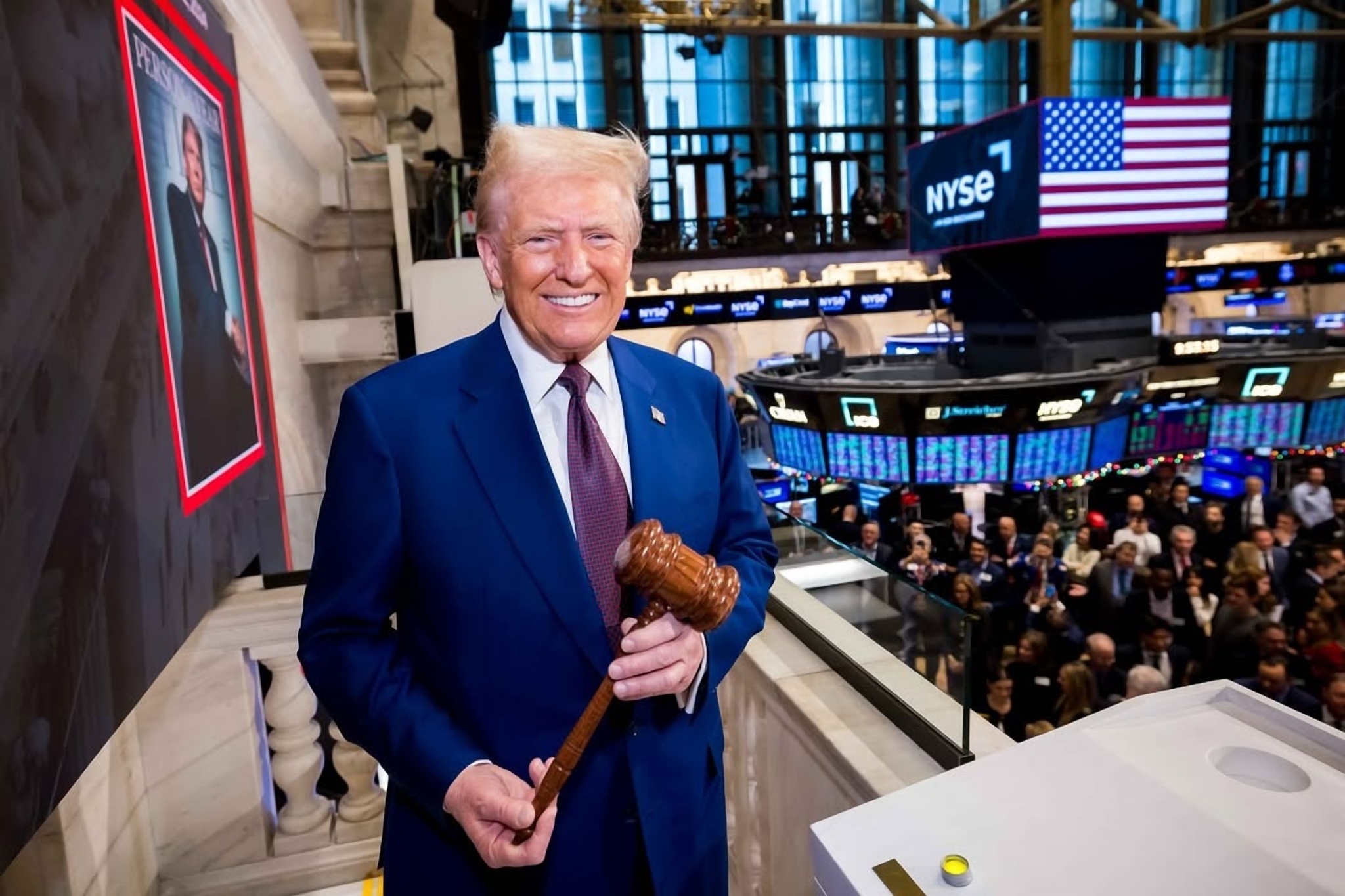
The story of Wall Street suffering a scare before the end of the year echoes the events of September 2018, a period nearly midway through Donald Trump's first term as US President. The New York Stock Exchange reached its peak that year, but following the Federal Reserve's rate hikes and the Democrats' victory in the November midterms, which granted them control of the House of Representatives, the market experienced a sudden drop. From September 20 to year-end 2018, the S&P 500 declined by 14.5%.
Comparisons to the current situation are striking. In Citi's report, the S&P 500's rise during the first two years of Trump's second term -32.3% - mirrors the increase at the same point in his first term -33.3%. Presently, the Federal Reserve has begun raising interest rates, and Democrats are favored to gain a majority in the House of Representatives during the midterm elections and possibly in the Senate. Thus, those who believe in the market's cyclical nature anticipate turbulent times ahead.
Citi identifies the primary risk as a direct confrontation between a Democratic Congress and the White House, which could lead to a political deadlock that remains unresolved until the 2028 presidential elections. On a more optimistic note, sectors performing well in the second Trump term differ from those in the first. Energy stocks (due to the Iran conflict), semiconductors (due to artificial intelligence), banks (due to deregulation), and communication services (due to the free path to concentration) are leading the upward trend.
In contrast, commercial distribution and healthcare emerged as top performers in the first term. Therefore, advancements in artificial intelligence and crude oil prices may prove more influential for the stock market than the midterms. However, the Federal Reserve continues to shape market dynamics as it did before. In 2019, the market rebounded following the central bank's rate cut. Investors now await the extent to which Kevin Warsh will push interest rates.
Written by urgent.news from Expansion ES's reporting — not their text. Machine-written — may contain errors; check the original before relying on it.