Peace in an age of fragmentation: Why global cooperation matters more than ever
The world is more connected than ever. Goods, money, information and people move across borders every day. Yet countries are increasingly finding it difficult to agree on how to address some of the biggest challenges facing them.
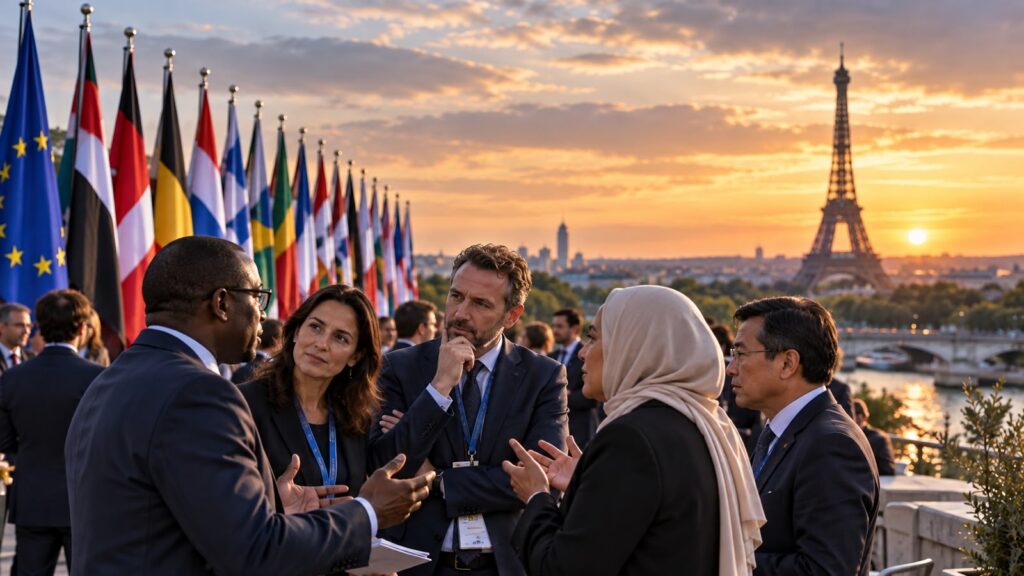
The modern world is more interconnected than ever before. Goods, capital, data, and individuals traverse national borders daily. Despite this connectivity, countries grapple with significant challenges in reaching consensus on pressing issues such as warfare, geopolitical tensions, competition over energy and resources, climate change, migration, and food scarcity.
These global problems often necessitate decisions that are primarily made at the national level, which complicates the pursuit of peace. Peace, therefore, extends beyond the cessation of hostilities; it hinges on a country's ability to maintain communication, navigate disagreements, and identify areas where cooperation remains viable.
Recent international pacts highlight the potential and pitfalls of this approach. In 2024, UN member states endorsed the Pact for the Future, a commitment to enhance international collaboration and bolster global institutions' readiness to tackle emerging challenges. Similarly, the Paris Agreement aims to establish a unified approach to climate change mitigation; however, the success of this agreement hinges on sustained cooperation among nations with divergent interests.
The effectiveness of international accords depends on political goodwill, mutual trust, and the willingness to negotiate differences. Developing nations have also raised concerns about whether current global organizations adequately represent their interests and evolving economic conditions. The advent of technology has introduced additional complexities.
Artificial intelligence, cyber capabilities, and digital platforms are transforming societal communication and conflict dynamics, offering avenues for cooperation while simultaneously amplifying disinformation and widening societal rifts. Consequently, peacebuilding in the future will demand more than conventional diplomacy. Governments must collaborate with scientists, journalists, technology firms, international bodies, and civil society organizations.
The Paris Peace Forum serves as a platform for such dialogue. The fundamental challenge lies not in eliminating discord entirely, a notion deemed impractical. Instead, it revolves around cultivating sufficient trust and communication channels to ensure that disagreements do not escalate into relentless conflicts. In a fragmented world, the cornerstone of peace may not be universal agreement, but rather the capacity of countries to disagree without losing their ability to cooperate.
Written by urgent.news from MyJoyOnline Ghana's reporting — not their text. Machine-written — may contain errors; check the original before relying on it.