Paramount and WBD’s messy rebrand histories visualize an industry in crisis mode
With Paramount Skydance now set to merge with Warner Bros. Discovery, CEO David Ellison is about to control some of the most recognizable logos in American entertainment. But a very recent history of the companies’ multiple rebrands over the past few years, which typically combined heritage marks with contemporary branding , shows an entertainment industry in flux. In retrospect, their brand…
Paramount and Warner Bros. Discovery are merging, consolidating control over some of the most iconic logos in American entertainment. However, their recent histories of rebranding reveal an industry in turmoil. CEO David Ellison, now in charge of both entities, acquired Paramount in 2025 through his production company Skydance Media.
Skydance, which produced films like Mission: Impossible–Ghost Protocol and Top Gun: Maverick, quickly became a major player after the merger, gaining assets such as CBS News, MTV, and beloved IPs like SpongeBob SquarePants.
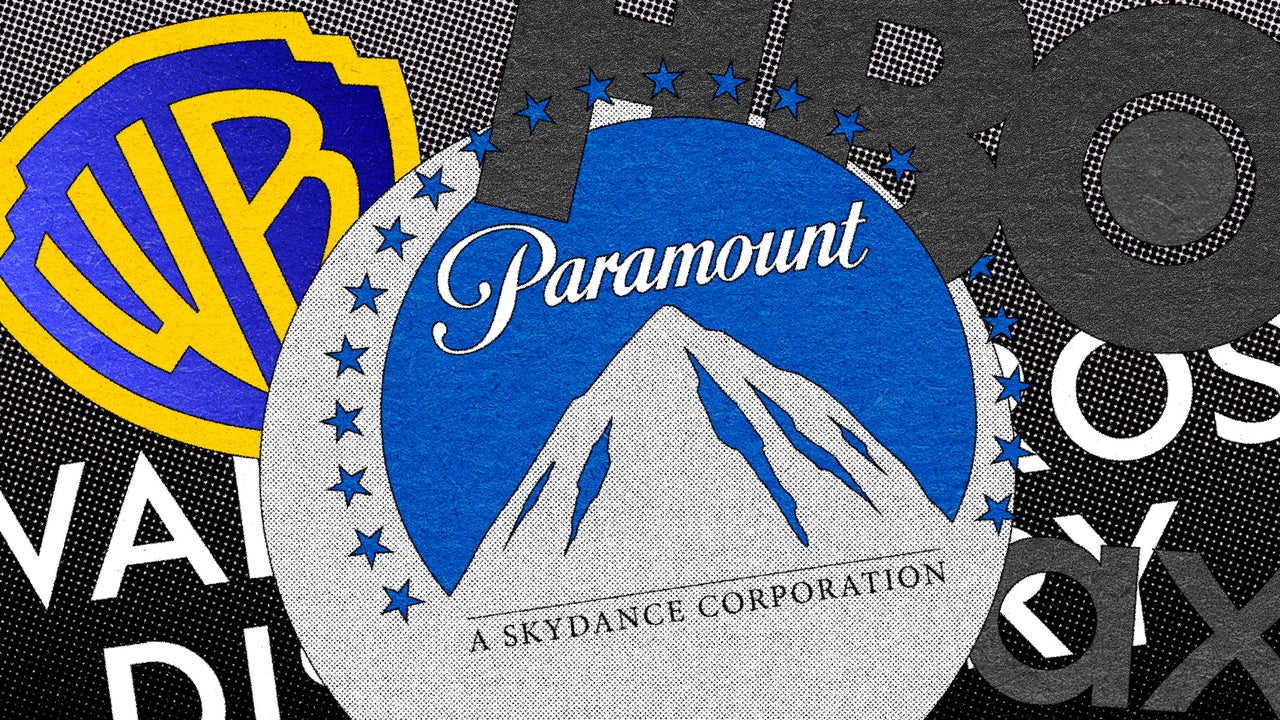
The resulting logo, a mishmash of Paramount's mountain-star emblem and Skydance's serif font, was later revised to replace Skydance's script logo with a version of Paramount's script style, accompanied by "A Skydance Corporation" in caps. Warner Bros. Discovery's logo underwent similar flux, beginning with Pentagram's modernization in 2019 and a subsequent redesign by Chermayeff & Geismar & Haviv in 2022. The final logo adopted a circular "Warner Bros. Discovery" wordmark in a neutral sans-serif font.
Antitrust lawsuits from a dozen states challenged the merger, citing monopoly concerns and worries over Ellison's potential influence on content decisions. Paramount and Warner Bros. Discovery's streaming services also faced multiple rebrands, with HBO Max evolving from HBO Max to Max and back, and Paramount+ shifting from Paramount+ to Paramount+ with Showtime and then to Paramount+ Premium.
These frequent rebrands, amidst consolidation, changing consumer habits, and competition from streaming giants like Netflix and Amazon, highlight the volatile state of the legacy media industry. Despite the enduring legacy logos, the constant rebranding underscores the rapid and convoluted nature of the modern media landscape, leaving audiences confused and questioning the industry's direction.
Written by urgent.news from Fast Company's reporting — not their text. Machine-written — may contain errors; check the original before relying on it.