Orexin neurons act as an effort-tracking system in the brain
A new study reveals that specialized brain cells called orexin neurons act as an effort-tracking system. By firing when a reward is expected, these cells help the brain decide if a goal is actually worth the physical effort.
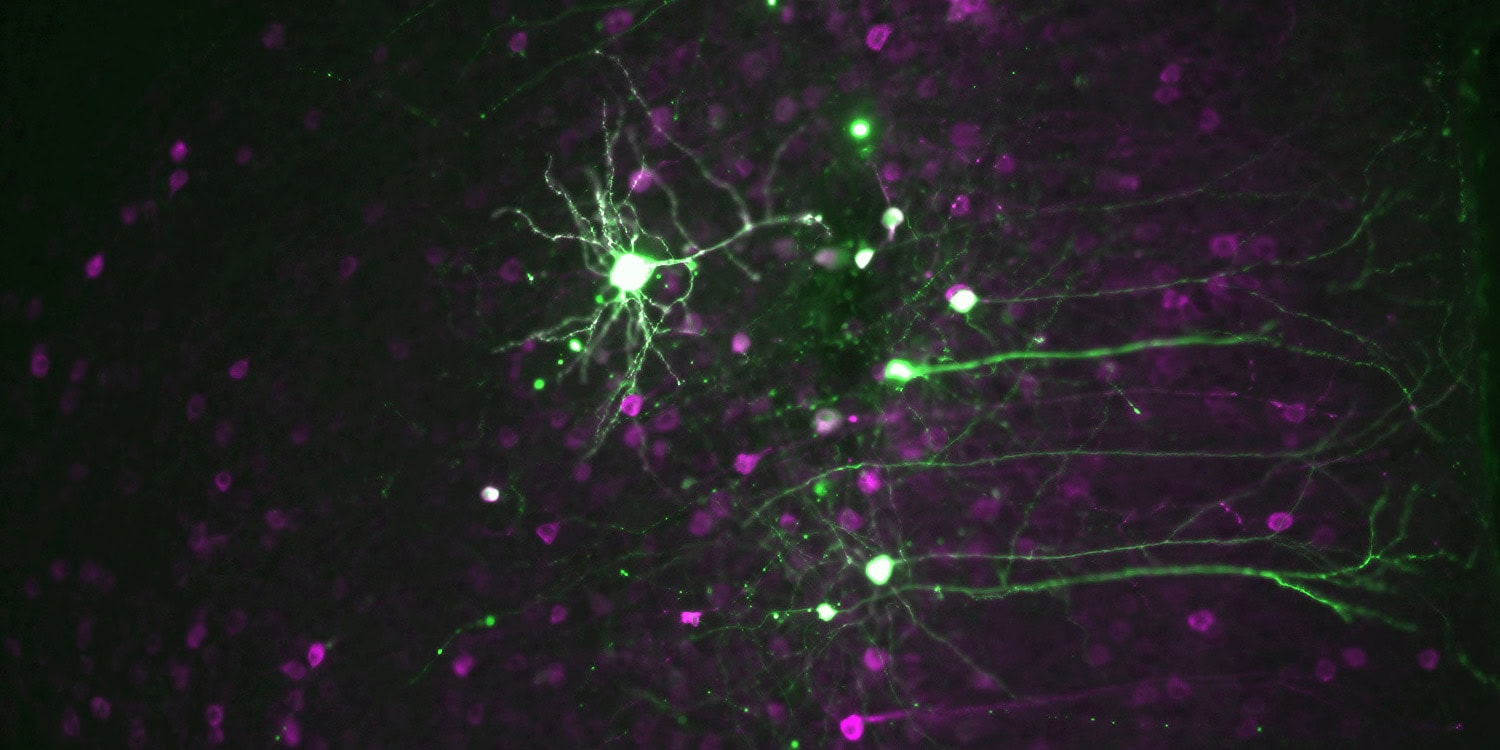
A recent study has revealed that specific brain cells, known as orexin neurons, function as an effort-tracking system in the brain. When these cells become active, it indicates an animal is expecting a reward, and their activity can be manipulated to alter the level of effort an animal is willing to exert for a goal. The study, published in the journal PNAS, focuses on a small but influential group of cells situated deep within the hypothalamus, an area of the brain responsible for vital survival functions like body temperature, thirst, and fatigue.
Initially discovered for their role in regulating sleep, wakefulness, and appetite, orexin neurons also play a crucial part in motivated behavior, which encompasses an animal's internal drive to initiate and maintain actions towards a goal. To successfully achieve a goal, an animal must assess a situation, anticipate the outcome, and determine the appropriate amount of effort required.
A 2014 review established orexin's role beyond just regulating sleep and hunger; it serves as a central engine for motivating animals to pursue goals. A 2024 study in mice further demonstrated that orexin neurons are essential for choosing to expend physical effort rather than opting for easier temptations. Dr. Hiroyuki Mizoguchi, the study's lead author from Nagoya University Graduate School of Medicine, explained that while orexin neurons have traditionally been studied for their role in wakefulness, their relationship to reward prediction and effort has remained unclear.
To address this gap, the research team developed a genetically modified rat model that allowed them to monitor and control orexin neurons as the animals worked for food. Using a technique called chemogenetics, the researchers selectively activated orexin neurons and trained hungry rats to interact with a touchscreen to receive food pellets.
They measured motivation using a progressive ratio test, where the effort required to obtain a single reward gradually increased. When orexin neurons were artificially activated, the rats' motivation increased, leading to a higher breakpoint - a measure of their maximum willingness to work for a reward. By observing the natural activity of these cells in real-time using fiber photometry, the scientists found that orexin neuron activity surged when the rats anticipated a food pellet, dropped after receiving the reward, and scaled with the effort required.
Suppressing orexin neurons at the moment of reward anticipation using optogenetics caused the rats to perform poorly, indicating that these neurons are integral to translating reward expectations into motivated action. The findings align with previous research showing that blocking orexin signaling reduces compulsive drug-seeking behavior and lowers drug intake.
However, the study only used food as a reward, so further research is needed to determine if orexin neurons function similarly under other reward scenarios.
Written by urgent.news from PsyPost's reporting — not their text. Machine-written — may contain errors; check the original before relying on it.