Oil extends losses as Trump signals progress in U.S.-Iran talks
Oil prices continued to decline on Wednesday, slipping for the sixth consecutive day. The drop was attributed to signals of diplomatic progress between the U.S. and Iran, as well as improved outlooks for Middle Eastern crude shipments as Saudi Arabia aimed to reopen a crucial export pathway. As of 20:21 ET (00:21 GMT), Brent Oil Futures for November delivery fell 0.8% to $98.45 per barrel, while West Texas Intermediate (WTI) crude futures declined 1.1% to $89.55 per barrel, marking a second consecutive day of more than 1% losses.
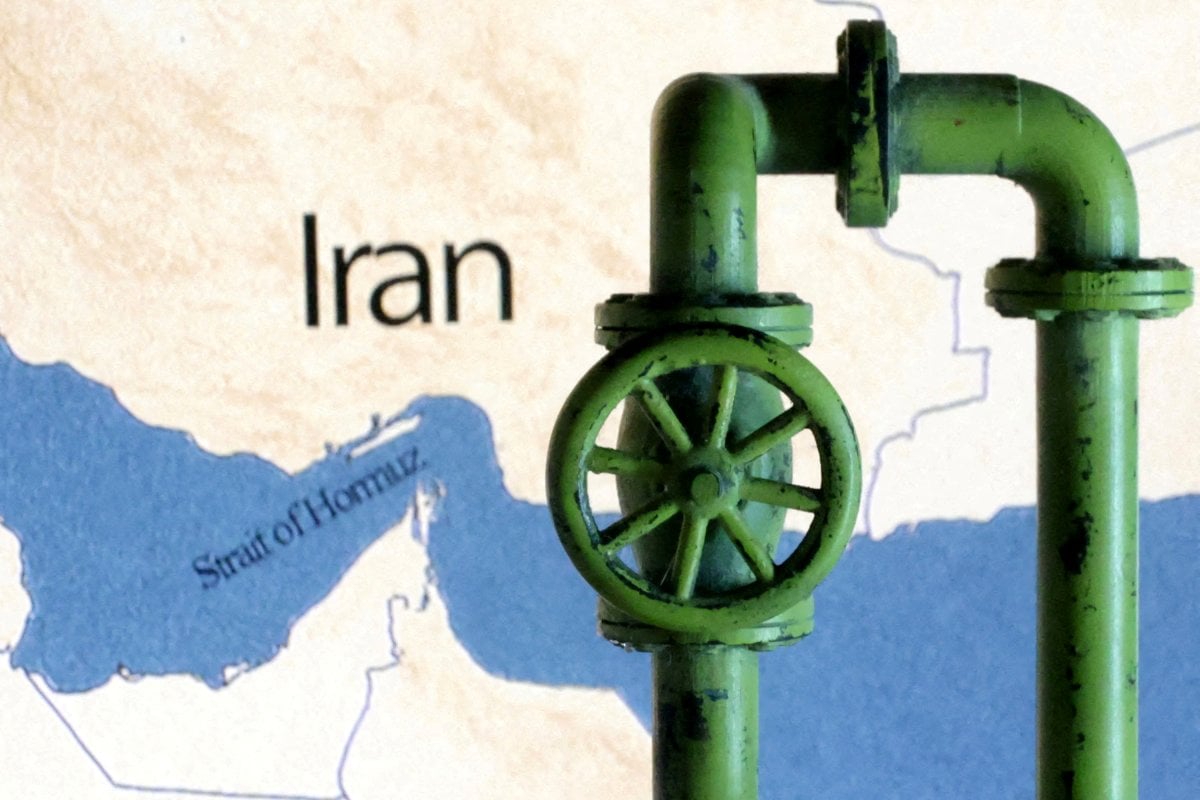
Brent crude futures had settled below the $100 threshold on Tuesday for the first time since September 8. U.S. President Donald Trump disclosed on Tuesday that U.S. officials engaged in a highly productive three-hour meeting with Iranian representatives in New York, raising hopes for potential negotiations to resolve the conflict and alleviate disruptions at the Strait of Hormuz.
The meeting, the first known direct contact between U.S. and Iranian officials since June, involved Special Envoys Steve Witkoff and Jared Kushner. Reports suggested that Iran might be willing to reopen the Strait of Hormuz if Washington reduces military pressure and lifts its blockade of Iranian ports, though Tehran had not officially confirmed a formal agreement.
The strategic waterway is vital for oil markets, as it carries about one-fifth of global oil and liquefied natural gas supplies prior to the conflict. Recent tanker movements indicate a rise in flows, though shipping risks remain elevated. In addition, Saudi Arabia has recommenced operations at its East-West pipeline, which can transport crude to the Red Sea port of Yanbu and circumvent the Strait of Hormuz.
The pipeline, halted after a drone attack earlier in the month, has a capacity of around 7 million barrels per day. However, repairs to damaged pumping stations may delay a full return to capacity for six to eight weeks.
Written by urgent.news from Investing.com's reporting — not their text. Machine-written — may contain errors; check the original before relying on it.
This story
This is one outlet's version. Read the fullest account.