No internet, no problem: Tether just released free AI translation models that work offline on your phone and laptop
Tether has released offline translation models supporting 19 African and 9 European languages, with processing handled directly on phones and laptops.
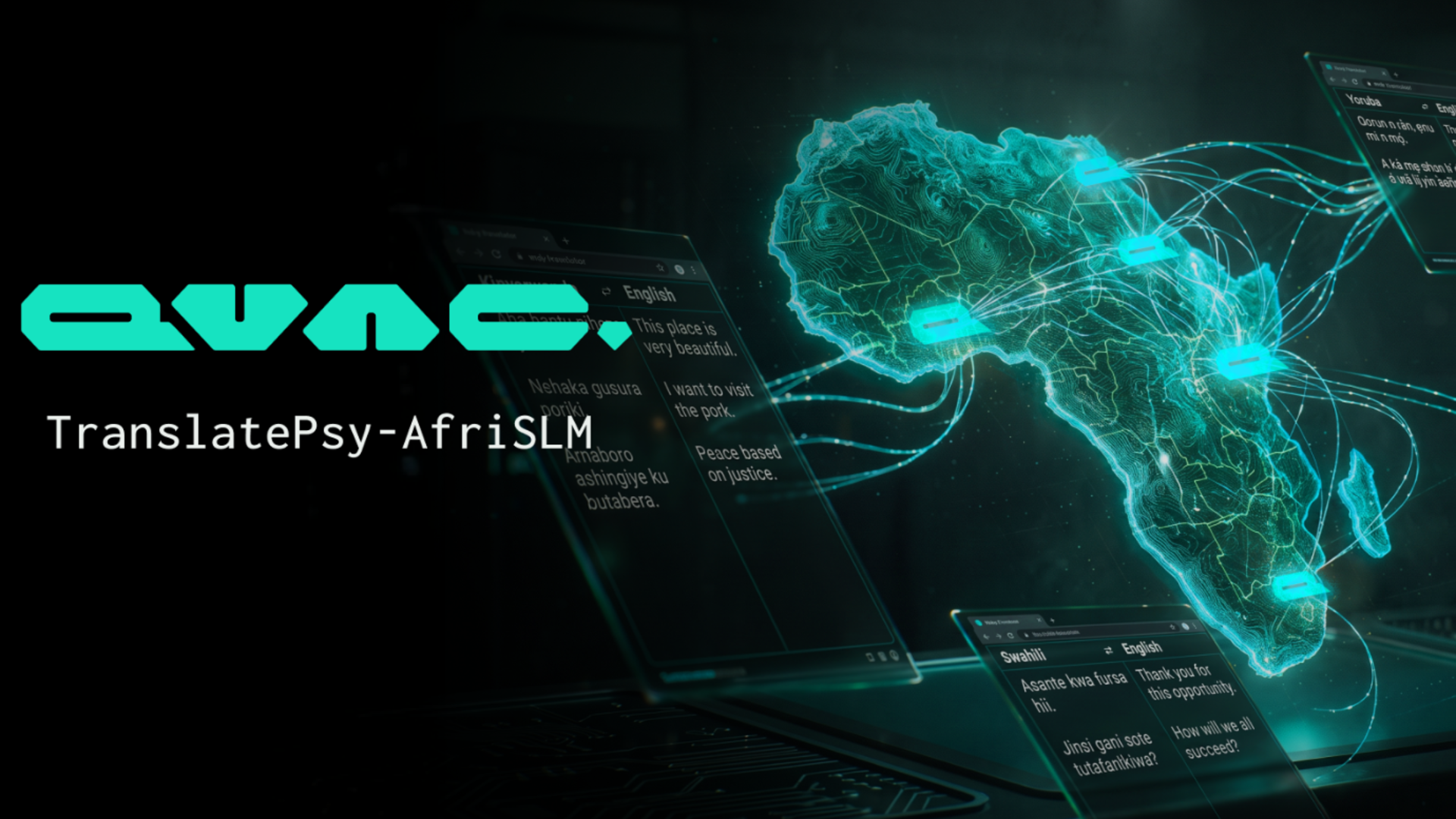
Tether, a blockchain and digital asset company, has unveiled a new set of translation models that operate entirely offline, requiring no internet connection. The release includes two models: QVAC TranslatePsy-AfriSLM, designed for 19 African languages, and QVAC TranslatePsy-EuroNano, supporting nine European languages. Both models process translations directly on users' devices, keeping personal data local instead of transmitting it to remote cloud servers.
The African model, AfriSLM, covers 19 languages spoken by approximately 50% of Africa's population, including Hausa, Amharic, Yoruba, Lingala, Swahili, Igbo, Zulu, Somali, Oromo, Malagasy, Kinyarwanda, Xhosa, Afrikaans, Wolof, Luganda, Nyanja, Shona, Tswana, and Southern Sotho. AfriSLM has 800 million parameters but outperforms other large language models (LLMs) in terms of translation quality. Tether's data-screening system removed 96% of low-quality training material to achieve these results.
EuroNano, on the other hand, uses English as an intermediary language, connecting European languages through 90 possible translation routes. This model occupies only 36MB, providing a more storage-efficient solution compared to alternative offline translation options. This compact footprint allows the translation service to remain available even when connectivity is lost, without requiring separate downloads for every language combination.
Tether's focus on African languages is driven by the company's existing infrastructure in Sub-Saharan Africa, which includes solar-powered kiosks offering phone charging, battery exchanges, and access to digital financial services. These locations could serve as distribution points for educational material, agricultural information, and other locally translated content, further expanding the reach of AI tools to areas with limited connectivity.
Tether CEO Paolo Ardoino emphasized that language should not be a barrier to benefiting from artificial intelligence, stating that open translation models like these will help bring education and AI tools to millions of people lacking reliable connectivity and expensive systems.
Written by urgent.news from TechRadar's reporting — not their text. Machine-written — may contain errors; check the original before relying on it.