N Chandrasekaran's real vote test: Tata Sons AGM, not boardroom
Majority owner will swing resolutions on reappointment; ban does not apply to sdtt
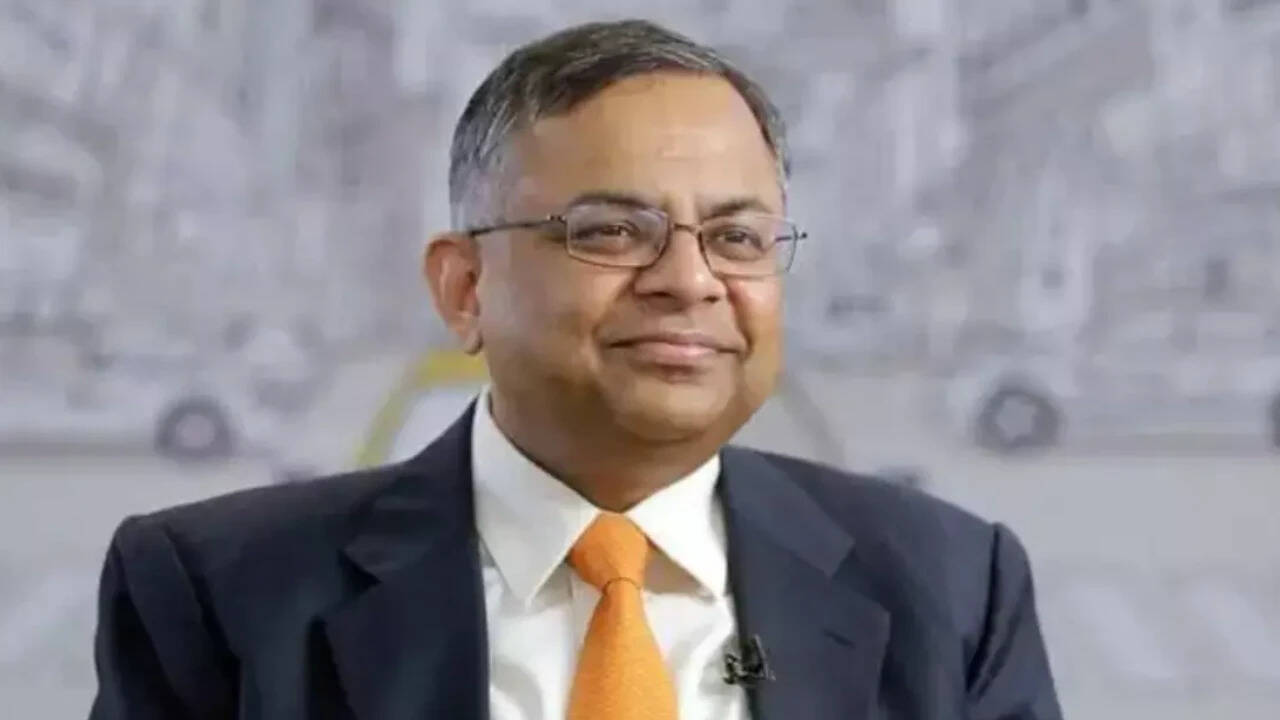
N Chandrasekaran recently secured a third five-year term as Tata Sons' chairman, but his role depends on a separate director reappointment vote at the annual general meeting (AGM). While the chairman position doesn't require shareholder approval, winning reappointment hinges on the AGM, where majority owners hold significant influence. Tata Sons must determine a new AGM date as the August meeting was adjourned due to insufficient quorum. The company has been granted an extension until December to hold the AGM.
During the AGM, directors will vote on a circular resolution asking them to reappoint Chandrasekaran. If he receives a majority of votes cast, his chairmanship extends until February 21, 2032. If he fails to secure reappointment, his term ends immediately. However, there's a quorum issue preventing the trust entities from nominating Chandrasekaran as a director, as the Articles of Association require a joint nominee from controlling shareholders, the Sir Dorabji Tata Trust and the Sir Ratan Tata Trust.
With the Maharashtra Charity Commissioner's restrictions, the Sir Ratan Tata Trust cannot participate in decision-making at the AGM.
Any shareholder, including those holding just one share, can petition the National Company Law Tribunal to hold a court-ordered AGM under Section 97 of the Companies Act, bypassing the quorum requirement. However, Chandrasekaran's reappointment as a director still necessitates a majority vote at the AGM. Currently, Tata group companies, minority shareholder groups, and the Shapoorji Pallonji Group have not indicated their support for reappointing Chandrasekaran. Thus, the outcome of the AGM rests on the decision of the Tata Trusts, led by Noel Tata.
Written by urgent.news from Times of India's reporting — not their text. Machine-written — may contain errors; check the original before relying on it.