Minister in CEC-EC selection panel fails ‘perception test’, says Justice Datta in split verdict
Justice Datta said the Minister “cannot be expected to defy the Prime Minister”; he said the Prime Minister and his Cabinet Minister shared a “collective responsibility” and inclusion of a Minister “fails to provide an independent countenance”
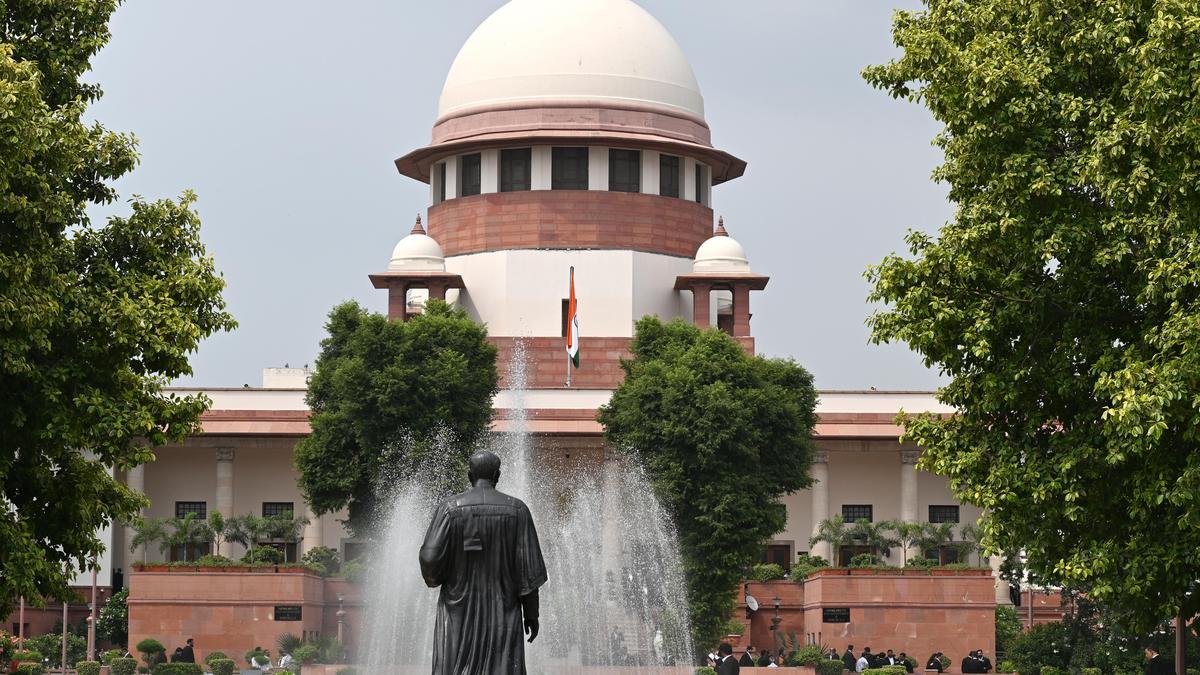
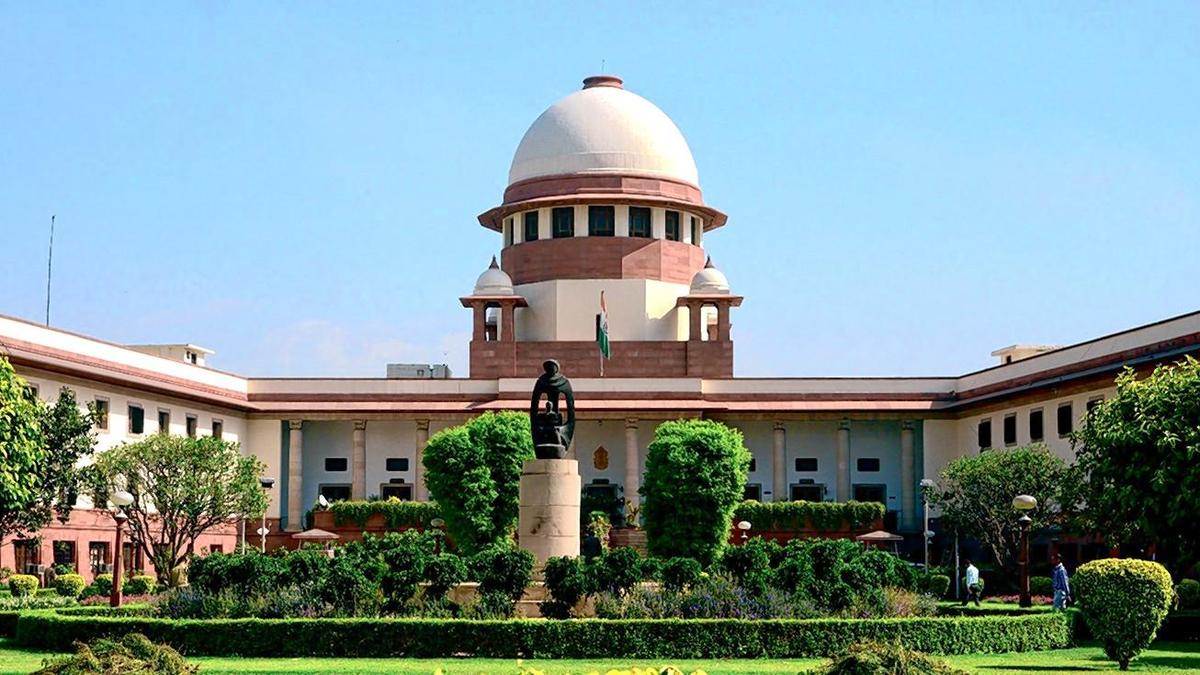
Supreme Court Justice Dipankar Datta ruled on Wednesday (September 23, 2026) that the inclusion of a Union Cabinet Minister in the selection panel for Chief Election Commissioner (CEC) and Election Commissioners (ECs) effectively amounts to a "veto" in favor of the Union government, failing the "perception test". This decision sent a wrong signal to the public, as the independence of Election Commissioners is crucial for free and fair elections, according to Justice Datta.
He emphasized that appointing a Cabinet Minister alongside the Chief Justice failed to provide an independent perspective, observing that the Minister would be largely "ornamental" in the selection panel. The ruling came in a split judgment, where Justice Satish Chandra Sharma advocated for sending the case to a Constitution Bench due to several substantial questions of constitutional interpretation.
Despite differing opinions on the question of reference, both judges agreed to forward the case to the Chief Justice of India to form an appropriate strength Constitution Bench for a definitive ruling. The 2023 Act, which replaced the Chief Justice with a Cabinet Minister, was challenged by petitioners who argued it "defeated" the 2023 Anoop Baranwal judgment, which had constituted a selection panel chaired by the Prime Minister and included the Leader of Opposition and the Chief Justice of India.
The petitioners contended that the Act granted the Executive dominant control and an "effective veto" over the appointment process of the CEC and ECs.
Written by urgent.news from The Hindu's reporting — not their text. Machine-written — may contain errors; check the original before relying on it.