Meta's Muse rekindles fears over winners and losers as personal AI agent emerges
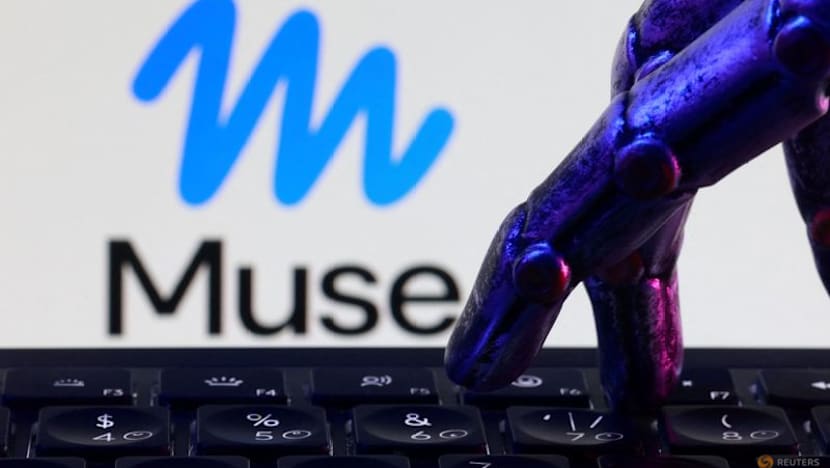
On September 23, Meta's inaugural consumer product under Alexandre Wang's leadership, Muse, sent ripples through US stock markets. Muse, an AI-driven app enabling users to delegate tasks like shopping, travel booking, and form-filling, became the top free app on Apple's App Store and Google Play Store in the US and Canada. Within two weeks of its release, Muse amassed 2.8 million downloads, boasting a 55% increase in daily downloads during the first 10 days, as reported by market intelligence firm Sensor Tower.
Investors were concerned that Meta's scale could render Muse a potent comparison-shopping tool, potentially diminishing consumer loyalty towards established providers. This development impacted various sectors, with financial stocks taking the brunt of the drop, including JPMorgan and Wells Fargo, which each shed over 3% of their value. Brokerage Charles Schwab saw a near 5% decline. Insurance firms Marsh and Arthur J. Gallagher also suffered, with their stocks dipping 2.4% and 4.6%, respectively.
However, not all sectors were in the red. Meta's shares surged 13%, demonstrating the fifth consecutive week of gains. Shopify, a Canadian e-commerce platform, experienced an 11.4% increase as it integrated Muse for checkout processing. PayPal, a payments platform, saw a minor gain after enabling users to find products and complete purchases via Muse. Other notable winners included privately held Stripe and Ticketmaster, which also formed partnerships with Meta.
The rally in AI infrastructure-related stocks mirrored Muse's success, with the Philadelphia Semiconductor Index surging 7% since the app's launch. Nvidia and Advanced Micro Devices led the gains in the chip sector. Despite the mixed outcomes, many industry experts remain skeptical about the long-term impact of Muse, suggesting that users might not be traditional customers of sectors like banking or insurance.
Written by urgent.news from CNA - Business's reporting — not their text. Machine-written — may contain errors; check the original before relying on it.
This story
This is one outlet's version. Read the fullest account.
- Meta's Muse rekindles fears over winners and losers as personal AI agent emerges channelnewsasia.com
- Meta's Muse rekindles fears over winners and losers as personal AI agent emerges economictimes.indiatimes.com
- Zuckerberg to unveil new AI products as Meta’s Muse app tops charts ft.com