Medicare for All: Separating the slogan from the substance
People are fed up with the U.S.
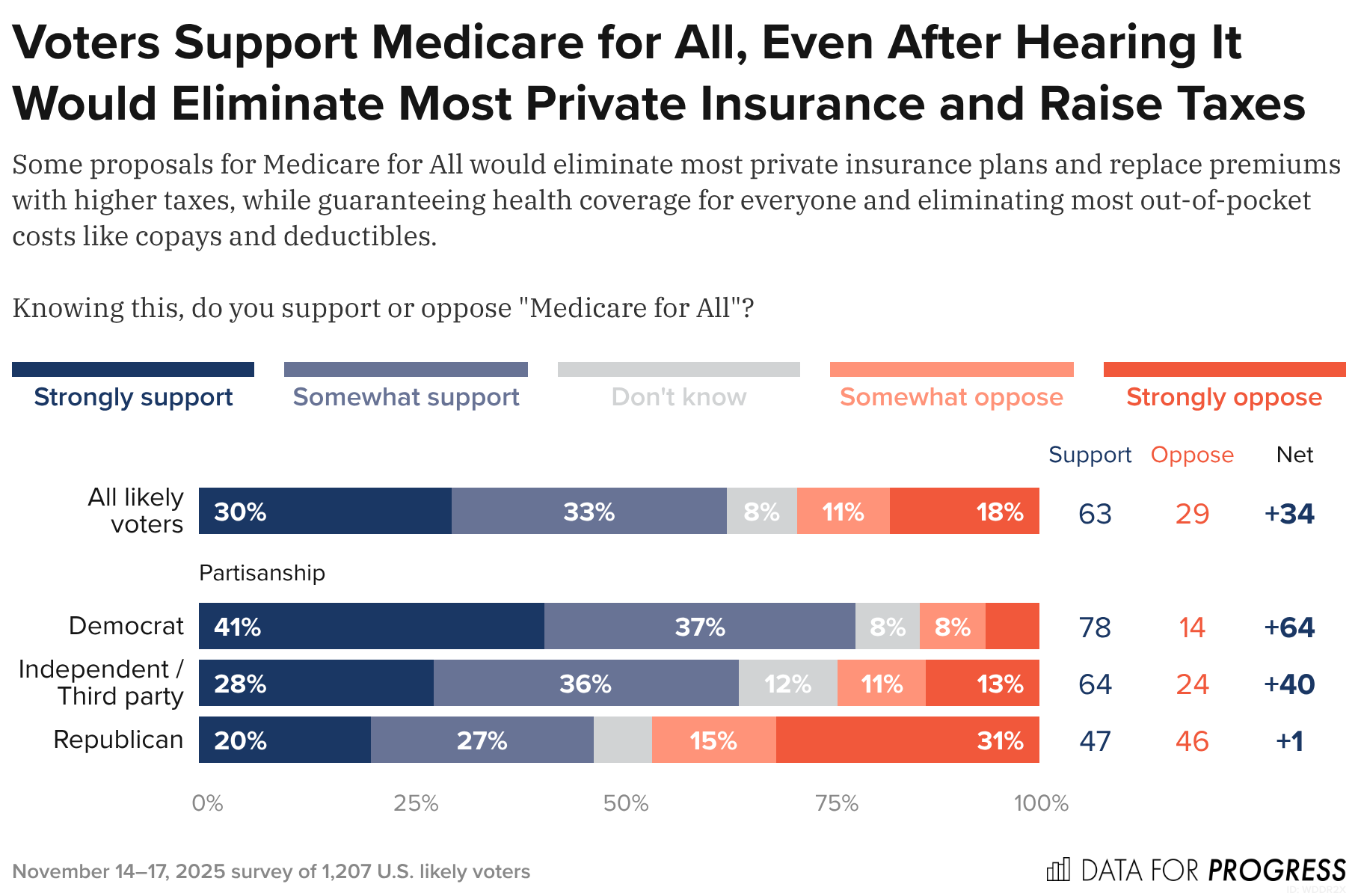
The U.S. health care system is a source of frustration for many citizens, with rising medical premiums and debt, physician burnout, and diminished access to care. As the nation approaches another election, these issues are building to a crescendo, with Medicare for All emerging as a popular slogan in local congressional races. While Democrats generally endorse the idea, some Republicans also support it. However, as with many political slogans, the reality behind Medicare for All is more complex than it appears.
In a conversation with Hayden Rooke-Ley, a health policy professor and lawyer, Rooke-Ley explained the practical challenges of implementing Medicare for All, a proposal that has the potential to be the most significant change in healthcare since the establishment of Medicare and Medicaid in 1965. One of the primary questions people ask is whether we can afford it.
The answer is yes, as the U.S. currently spends more on healthcare than any other country, largely due to the dominance of private insurance. Therefore, a Medicare for All system would likely reduce overall healthcare spending. However, financing such a system without incurring debt would necessitate substantial new taxes. Although Americans already contribute to the healthcare system via their taxes, convincing them to pay even more is a significant challenge, even if the argument is that they would stop funding insurance companies.
Rooke-Ley also noted that Medicare, the current government healthcare program, is already financed by taxpayers in various ways. The real question, then, is not whether taxpayers should finance the healthcare system, but rather how this should be done. Would the system still resemble Medicare? Since the early 2000s, Medicare has divided into Original Medicare and Medicare Advantage, the latter offering additional benefits like drug, dental, or vision coverage.
However, this privatization has cost taxpayers an additional $100 billion annually. Moreover, Original Medicare beneficiaries often need to purchase a separate private plan for any additional coverage. Critics argue that Medicare for All would replace all current programs, including the existing structure, and impose new federal rules for taxes and coverage.
One of the main criticisms of the current fee-for-service system is that it leads to overutilization of healthcare services due to clinicians being paid per test or procedure. This has resulted in cost-containment measures such as high deductibles, hospital and insurer consolidations, and prior authorization requirements. Critics of Medicare for All argue that instead of focusing on utilization, the system should target the core drivers of high healthcare costs head-on: prices and administrative bloat.
By setting new federal rules for prices and reducing administrative overhead, Medicare for All could address these issues more effectively than the existing fee-for-service model.
Another potential benefit of Medicare for All is its ability to help small doctors' offices. Large hospital chains and private equity rollups often hold a significant advantage over small medical practices due to their negotiating power. This often forces small clinics to merge with larger systems in order to survive. If everyone were to have the same government insurance with standardized prices, this advantage would disappear, and small clinics could once again compete on the basis of quality of care.
However, it is essential to note that not all Medicare for All proposals seek to eliminate for-profit facilities, and some nonprofit clinics have transformed into corporate entities. Regardless of future reforms, policies must be implemented to regulate governance and accountability within these institutions.
Lastly, the debate over healthcare access and wait times is a recurring theme in discussions about Medicare for All. Critics often claim that government healthcare would lead to long wait times, similar to those experienced in other countries. However, Rooke-Ley pointed out that this is not necessarily the case. While U.S. wait times for primary care are longer than in peer nations, specialty care may take longer in other countries.
Additionally, access to specialists varies, with Americans having the worst access to care among 10 peer nations. Ultimately, wait times are policy decisions, and Medicare for All seeks to address the existing rationing of access within the current system.
Written by urgent.news from Your Local Epidemiologist's reporting — not their text. Machine-written — may contain errors; check the original before relying on it.