Korea Zinc's Project Crucible fills critical gap in US minerals supply chain
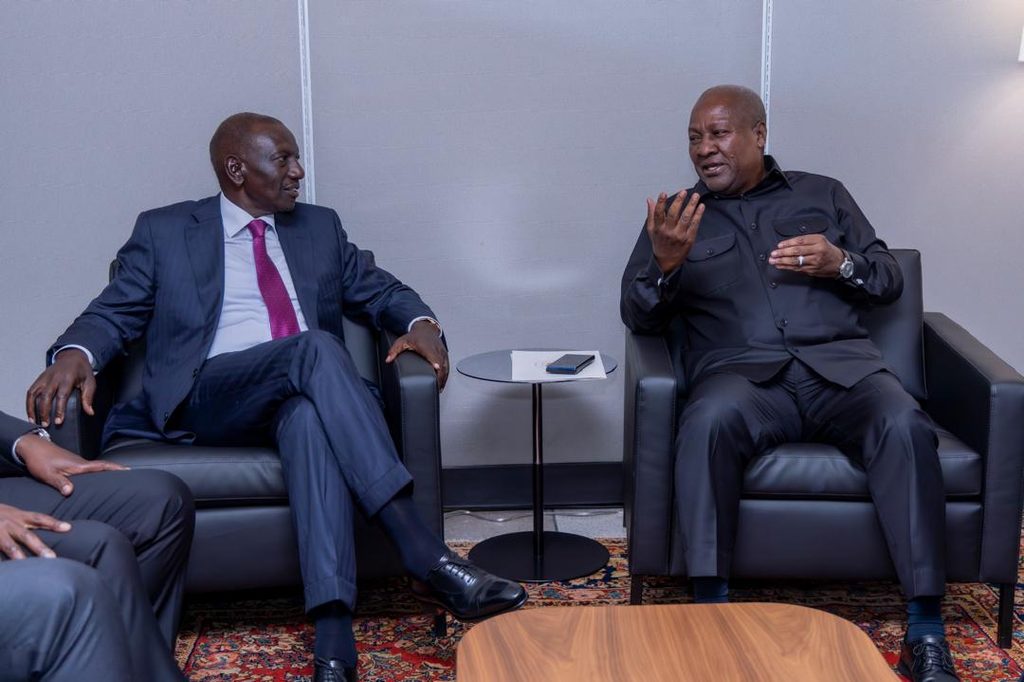
Korea Zinc Chairman Choi Yun-birm was a relatively small player among the Korean business leaders who gathered in Washington last year for a presidential summit, which included much larger groups such as Samsung, SK and Hyundai Motor Group. But Choi brought something increasingly relevant to Washington: critical minerals. Rather than focusing primarily on investment or manufacturing, Korea Zinc…
In the realm of American business, a Korean entrepreneur stood out during a recent presidential summit in Washington. Choi Yun-birm, chairman of Korea Zinc, may not have been the most prominent figure among the attendees, but his presence carried significant weight. While giants like Samsung, SK, and Hyundai Motor Group commanded attention, Choi's expertise in critical minerals set him apart.
Focusing not solely on investment or manufacturing, Korea Zinc showcased its extensive experience in refining an array of non-ferrous metals and extracting various critical minerals from raw materials and smelting byproducts. This capability proved to be a vital solution to a critical issue facing the United States: a shortage of domestic processing capacity in the critical minerals supply chain.
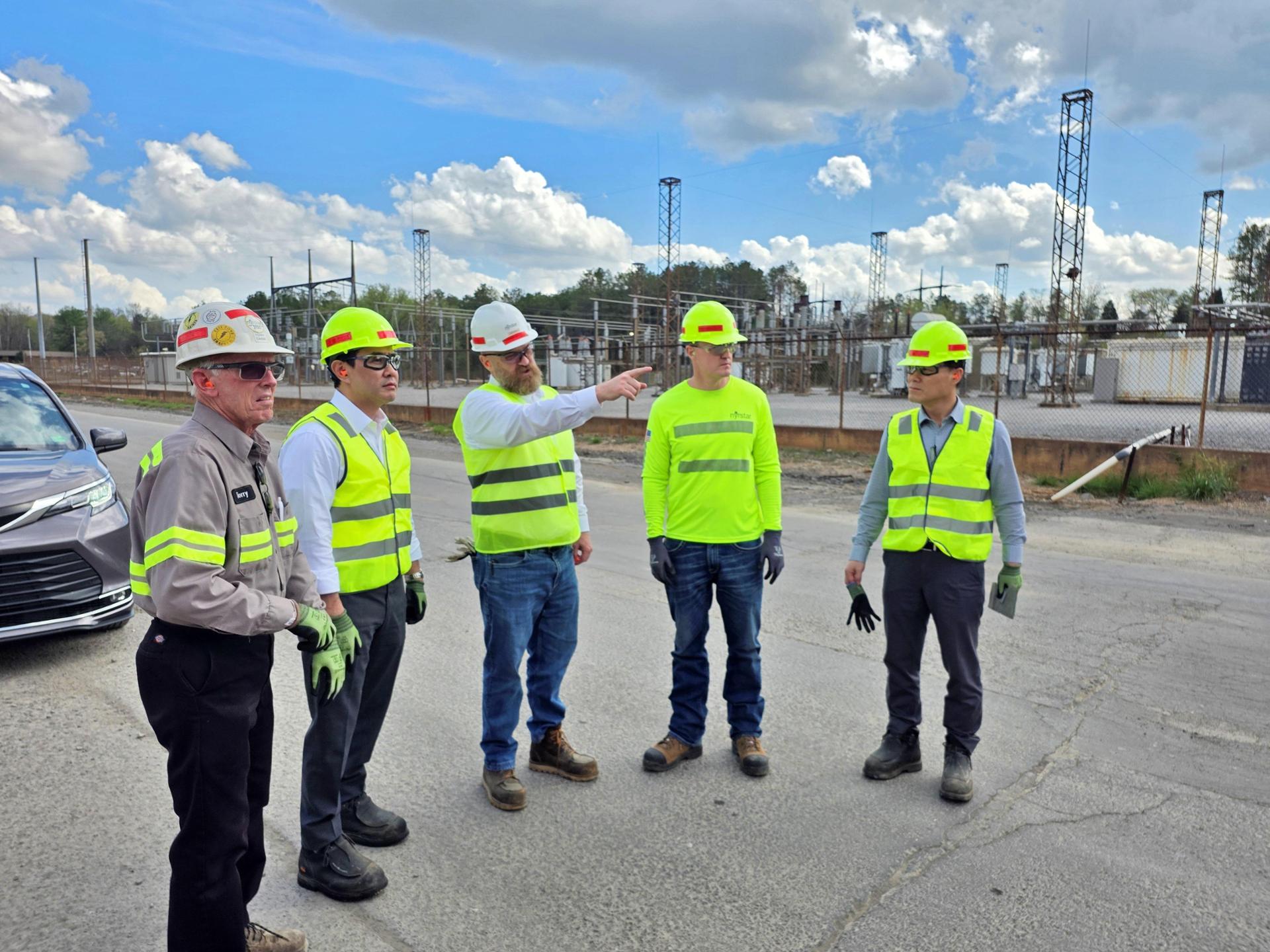
Just four months after Choi's impactful presence at the summit, Korea Zinc made headlines with the unveiling of Project Crucible. This ambitious initiative, valued at $7.4 billion, involves the construction of an integrated smelter and critical minerals processing facility in Tennessee. The project is backed by both the U.S. government and private investors, demonstrating the nation's confidence in Korea Zinc's technological prowess.
What sets Project Crucible apart is its ambitious scope. The facility is designed to produce 12 different nonferrous metals, among which 11 are classified as critical minerals by the U.S. government. In addition to these metals, the plant will also generate semiconductor-grade sulfuric acid, further expanding its industrial applications. As the production process continues, the facility aims to address a long-standing deficiency in the U.S. critical minerals supply chain.
Written by urgent.news from The Korea Times's reporting — not their text. Machine-written — may contain errors; check the original before relying on it.
This story
This is one outlet's version. Read the fullest account.