Jaishankar’s Speech At UNGA: Multilateralism, Not ‘Choosing Camps’
By Ashok Nilakantan Ayers NEW YORK: External Affairs Minister S Jaishankar arrived at the 81st UN General Assembly with an unusually broad diplomatic canvas before him. In meetings with European, Ukrainian, Arab, Asian and other counterparts, India was simultaneously talking to countries that sit on opposite sides of some of the world’s sharpest geopolitical divides. […] The article Jaishankar’s…
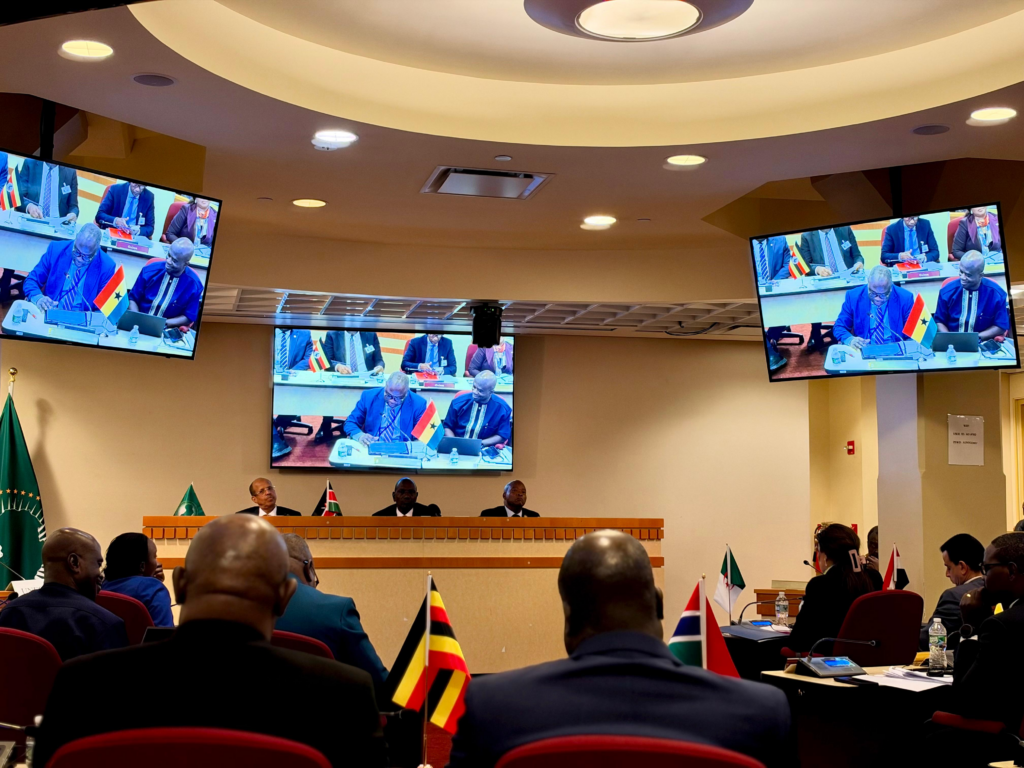
External Affairs Minister S Jaishankar arrived at the 81st UN General Assembly with a sophisticated diplomatic strategy. In meetings across Europe, Ukraine, the Arab world, Asia, and more, India engaged with nations on opposing sides of major global conflicts. At the inaugural P4M Summit, Jaishankar emphasized that the international system is under stress from great-power competition, which multilateral institutions are meant to mitigate.
He advocated for "reformed multilateralism" with more inclusive deliberations and transparent decision-making. This approach allows India to criticize unilateralism without targeting any specific country. India's stance for UNGA81 is outlined in its priorities paper, which includes being a bridge-builder, promoting multilateralism, South-South cooperation, and peaceful coexistence.
It also emphasizes reforming the UN Security Council, counter-terrorism, maritime security, development finance, and the interests of the Global South.
On the same day, Jaishankar joined the first India-Visegrad Group foreign ministers' meeting with Poland, Hungary, Slovakia, and the Czech Republic. This move expanded India's European partnerships while maintaining connections to other regions. The V4 countries pledged closer political cooperation and increased collaboration in technology, innovation, education, defence, space, connectivity, and cultural exchanges.
They also backed India's claim for permanent UN Security Council membership. Discussions with Ukraine and Gulf nations further demonstrated India's efforts to bridge geopolitical divides. Jaishankar spoke about both the Ukraine and Gulf crises, as well as Security Council reform. The P4M initiative, initiated by Brazil, the EU, Kenya, and Canada, aims to strengthen multilateralism amidst growing geopolitical fragmentation.
Indian participation alongside Australia, Brazil, Canada, Barbados, and Kenya highlights cooperation on international security, climate justice, emerging technologies, and supply chain resilience. The EU also promoted a parallel message, stressing international law and UN-centered multilateralism. In contrast, Arab and Muslim foreign ministers focused on the Gaza crisis and regional instability, calling for humanitarian access and peace efforts.
These converging themes—European concerns about the erosion of international law, Arab worries over Gaza and regional wars, developing-country issues of economic inequality, and India's push for multilateral system reform—set the stage for the General Assembly debate.
Written by urgent.news from Arabian Post's reporting — not their text. Machine-written — may contain errors; check the original before relying on it.