Is Muse Really the Answer to Meta’s AI Woes?
Meta’s Muse, the personal artificial intelligence agent the company launched Sept. 8, has taken Silicon Valley and Wall Street by surprise. Within days of launch the personal AI agent topped the App Store charts, a feat Meta’s earlier AI apps never managed, and Meta shares jumped more than 11% in a single session. For a […] The post Is Muse Really the Answer to Meta’s AI Woes? appeared first on…
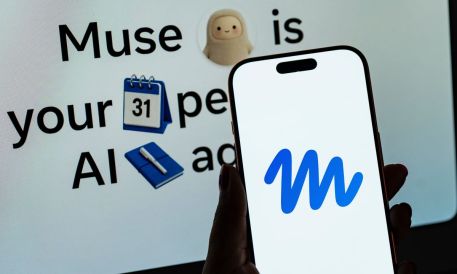
Meta's Muse, a personal AI agent launched on September 8, has captivated Silicon Valley and Wall Street. The app quickly topped charts in the App Store and Meta's shares surged over 11% in a single trading session. This marks a potential breakthrough for Meta, which has been questioned about its AI spending. Muse boasts over 2.5 million downloads, exceeding similar competitors such as Anthropic's Claude and xAI's Grok, as well as Meta AI launched last year.
However, the product's success is not guaranteed. Even with 2.5 million downloads, Muse trails OpenAI's ChatGPT, which logged 3.1 million downloads in the same timeframe. Muse poses significant risks as it connects to sensitive data such as email, calendars, payments, health apps and shopping accounts. Internal concerns about data mismanagement led to a delayed launch and a need for enhanced security measures.
The app asks for extensive data from users, raising additional privacy concerns. Meta addressed one such concern with a "human concierge" feature that allows contractors to handle some of the calls Muse makes. However, Meta clarified that users can opt out of having their interactions used for training. While Amazon initially blocked Muse due to concerns over data access, the app has since integrated with payment partners such as Stripe, PayPal, Shopify, Duffel, Ticketmaster, and OpenTable.
Despite Meta's efforts to monetize Muse through subscriptions and merchant commissions, the costs of running the app are higher per user than traditional chatbots. The higher compute costs and limited consumer willingness to pay for AI services pose challenges for Muse's long-term viability.
Written by urgent.news from PYMNTS's reporting — not their text. Machine-written — may contain errors; check the original before relying on it.