Inflation, cedi depreciation put BoG’s MPC under pressure as policy rate decision looms
Rising inflation, renewed pressure on the Ghana cedi and concerns over economic growth are expected to dominate discussions as the Bank of Ghana’s Monetary Policy Committee begins a three-day meeting to review developments in the economy.
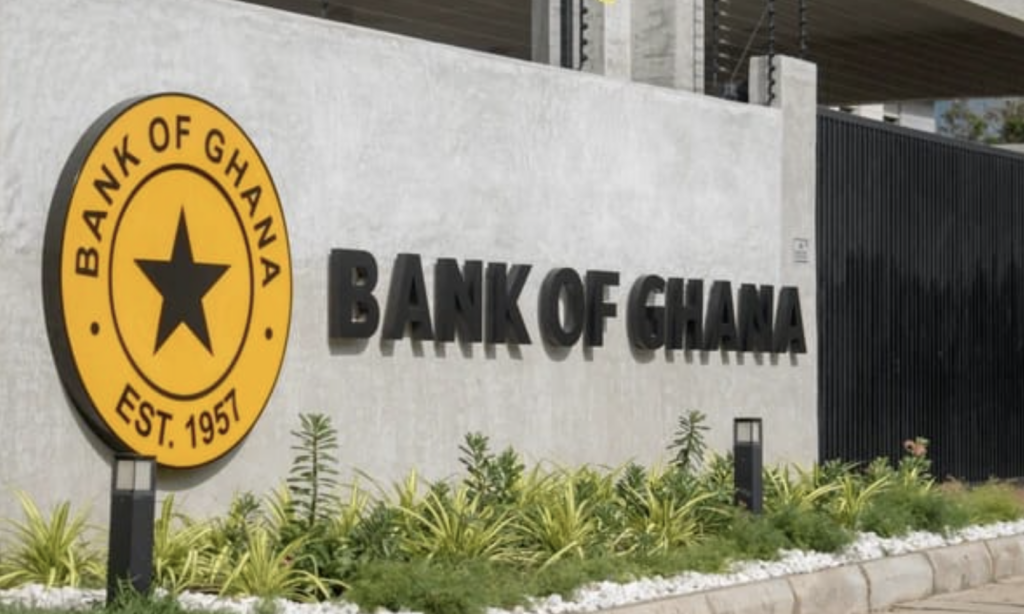
Inflation, weakening of the Ghana cedi and worries about economic growth are anticipated to take center stage as the Bank of Ghana's Monetary Policy Committee convenes for a three-day meeting to assess the country's economic situation. The primary concern for the Committee is whether to raise the policy rate to curb the recent surge in inflation.
The Monetary Policy Committee commenced its meeting on Wednesday, September 23, 2026, and is scheduled to finalize its deliberations on Thursday, September 24. The outcome of this meeting will be disclosed by the Bank of Ghana.
Inflation has been on an upward trajectory in recent months, reaching 5% in August 2026, which has raised concerns about potential price pressures. This situation may bolster the argument for a policy rate increase, along with other monetary policy interventions, to curb inflation. However, raising the policy rate could also pose challenges for businesses that are already facing difficulties in accessing credit.
The status of the Ghana cedi is another major issue that is expected to command considerable attention during the Monetary Policy Committee's deliberations. There are opinions that employing the policy rate to bolster the cedi could aid in limiting further depreciation in the months ahead. Financial analysts are also expected to examine developments in the Middle East and the recent alterations in US interest rates, and how these changes could impact Ghana's economy.
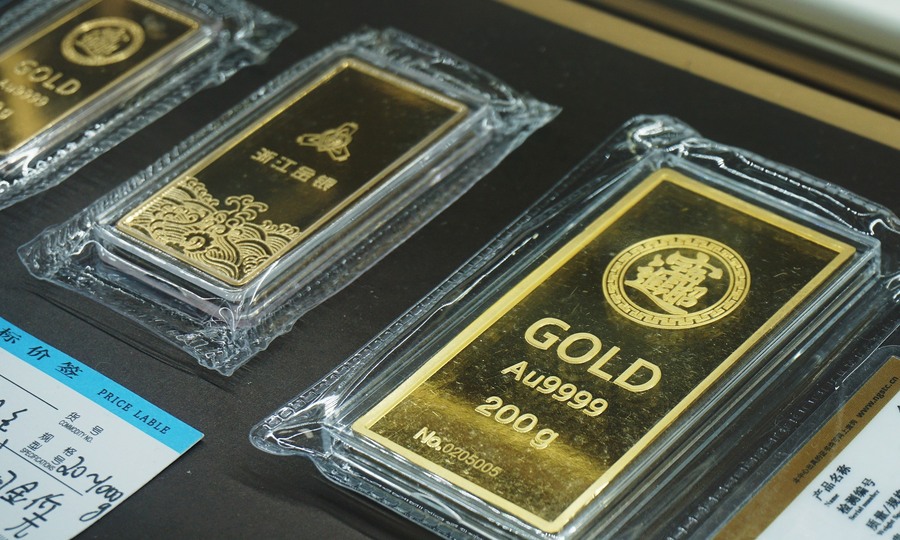
Potential consequences include lower gold prices, reduced foreign exchange inflows via the GoldBod, slower reserve accumulation, a diminished capacity for foreign exchange intervention, and additional strain on the exchange rate. These developments could further fuel domestic inflationary pressures.
Concurrently, some analysts believe that the disparity between inflation and the policy rate remains sufficiently substantial to justify caution regarding any additional tightening. With inflation standing at 5% and the policy rate at 14%, there are arguments for the Monetary Policy Committee to maintain the current rate or contemplate a slight reduction.
The conflicting pressures could render the latest Monetary Policy Committee meeting a challenging one, as the Committee grapples with the trade-offs between inflation and exchange rate risks and the potential impact of tighter monetary policy on economic activity and credit accessibility. However, sources close to the Monetary Policy Committee have informed JOYBUSINESS that the Committee's decision will be steered by economic data as it evaluates the policy rate and the path forward.
The Bank of Ghana has previously indicated that global developments alone would not inevitably translate into a policy rate increase being the appropriate response. Consequently, the Monetary Policy Committee's decision will reveal how the central bank gauges the equilibrium among inflation, exchange rate pressures, external developments, and economic growth.
Written by urgent.news from MyJoyOnline Ghana's reporting — not their text. Machine-written — may contain errors; check the original before relying on it.
This story
This is one outlet's version. Read the fullest account.