India’s farmers cut back on seeds, fertilisers as rains fail, Rallis India CEO says
Due to erratic monsoon patterns, farmers in India are cutting back on their investments in pesticides, fertilizers, and seeds. The irregular rainfall is posing serious challenges to crop yields this year, compelling them to be cautious about their expenses. Agrochemical market players are witnessing a decline in demand for crop protection products, leading experts to advocate for consolidation in…
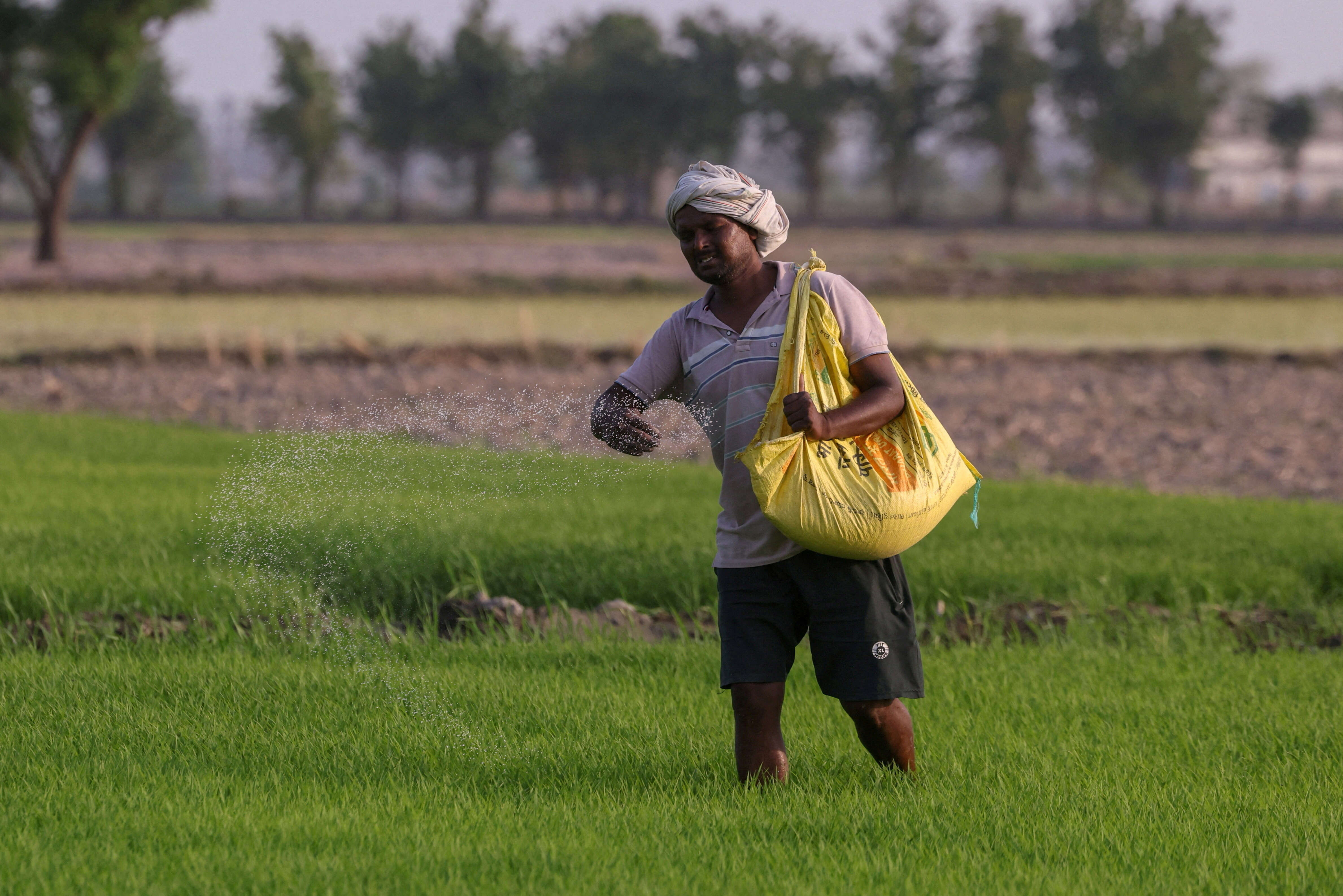
India's weak monsoon season is causing farmers to reduce spending on pesticides, fertilizers, and seeds this year, according to Gyanendra Shukla, CEO of Tata Chemicals unit Rallis India. The June-September monsoon, responsible for about 70% of the country's annual rainfall, has been unpredictable this year and is currently well below normal, raising concerns over crop yields, rural incomes, and food inflation in Asia's third-largest economy.
As of September 21, monsoon rainfall was 15% below average, while rainfall in September and August was 18% and 16% below normal, respectively. With such low rainfall certainty, farmers are saving on resources, including agrochemicals and seeds, said Shukla during an interview. Indian farmers typically sow summer crops like rice, soybeans, and cotton from June as monsoon rains begin, while winter crops including wheat and rapeseed are planted from October after the monsoon subsides.
The unpredictable monsoon rains are expected to compress the overall use of crop protection products, fertilizers, and seeds, Shukla stated, pointing out that demand for herbicides and fungicides had been particularly weak. Rallis competitors Dhanuka Agritech and Godrej Agrovet have also cited erratic monsoon rains for weak demand for crop-protection products.
Furthermore, Shukla argues that India's farm input sector, plagued by low barriers to entry which has led to an overcrowded market, is ripe for consolidation. He believes that companies focused on innovation and strong partnerships will be best positioned to navigate the intensifying competition.
Written by urgent.news from The Economic Times - Economy's reporting — not their text. Machine-written — may contain errors; check the original before relying on it.