In Peru’s high Andes, restoring ancient ecosystems could help protect water security
In the highlands above Villa de Arma, community leaders once walked through ice and snow. They still remember the stories told by their grandparents of the Apus, high-mountain spirits that guard the Andean landscape. Locals in this central-Andean community, which sits around 3,200 meters (10,500 feet) above sea level in central-southern Peru’s Huancavelica region, say […]
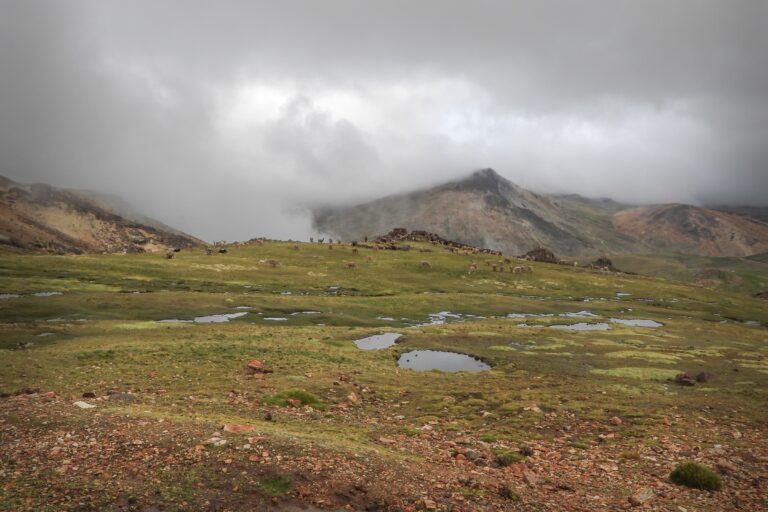
In the high Andes of Peru, the restoration of ancient ecosystems may play a crucial role in safeguarding water security for the region's inhabitants. In the central-Andean community of Villa de Arma, situated around 3,200 meters (10,500 feet) above sea level in Huancavelica, locals recall tales of the Apus, mountain spirits who protect the landscape.
However, climate change has caused significant alterations, with about 56% of Peru's glacier mass disappearing in the last six decades, a vital water reservoir that nourishes the country's cities and arid areas. Residents of Villa de Arma are deeply concerned about the potential water scarcity that could arise from the changing landscape, fearing they may be left without this essential resource.
Edison Sánchez Toscano, a field technician with Peruvian NGO Asociación Ecosistemas Andinos (ECOAN) and a local from Huancavelica, expresses these worries in a video call to Mongabay. Located at a critical watershed that feeds the Chincha Valley, a region stretching from the Andes to Peru's arid Pacific coast, the water supply from the mountains is vital for the valley's survival.
With glacial ice rapidly receding nationwide, conservationists are turning to traditional Andean ecosystems, such as wetlands and native forests, which have the potential to store and release water. In 2025, ECOAN entered into a partnership for a new project aimed at securing this precious resource.
Written by urgent.news from Mongabay's reporting — not their text. Machine-written — may contain errors; check the original before relying on it.