How the oil capital of the US welcomed a solar power boom
Texas is now the country's biggest producer of solar-farmed electricity.
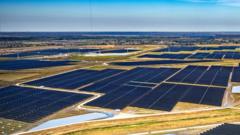
Uvalde, a small city in southwest Texas, has a rich farming history that dates back to 1953 when Steve Cargil's family began tilling the flat, dry land. However, a violent hailstorm in 2018 devastated the Cargils' crops, leaving their future uncertain. The family feared losing their farm and retirement savings, as farmers typically do not have pensions.
In 2001, Cargil decided to lease 600 acres of his land to OCI Energy for the construction of a solar farm. The lease, which pays the elder Cargil $200,000 per year, has allowed him to keep his farm running during a punishing drought and provided financial stability. Solar power now generates a third of Texas' electricity during peak demand hours, thanks to the state's large population and growing appetite for electricity.
The technology has become increasingly affordable, making it the cheapest way to generate power in the state.
Despite solar's growth, there are concerns from some residents about its impact on the landscape, water resources, and potential fire hazards from battery storage units. However, a recent poll found that 68% of Republican voters believe the country needs all forms of electricity generation, including utility solar, to keep costs down.
Solar developers have found a significant ally in Texas farmers, who provide large stretches of flat land for solar installations and benefit from long-term leases that offer financial security.
Written by urgent.news from BBC Business's reporting — not their text. Machine-written — may contain errors; check the original before relying on it.