Global stocks stall, oil ticks up as investors await Mideast peace signals
A sustained resumption of oil flows through the Strait of Hormuz would help keep inflation in check, which in turn would impact the global outlook for interest rates.
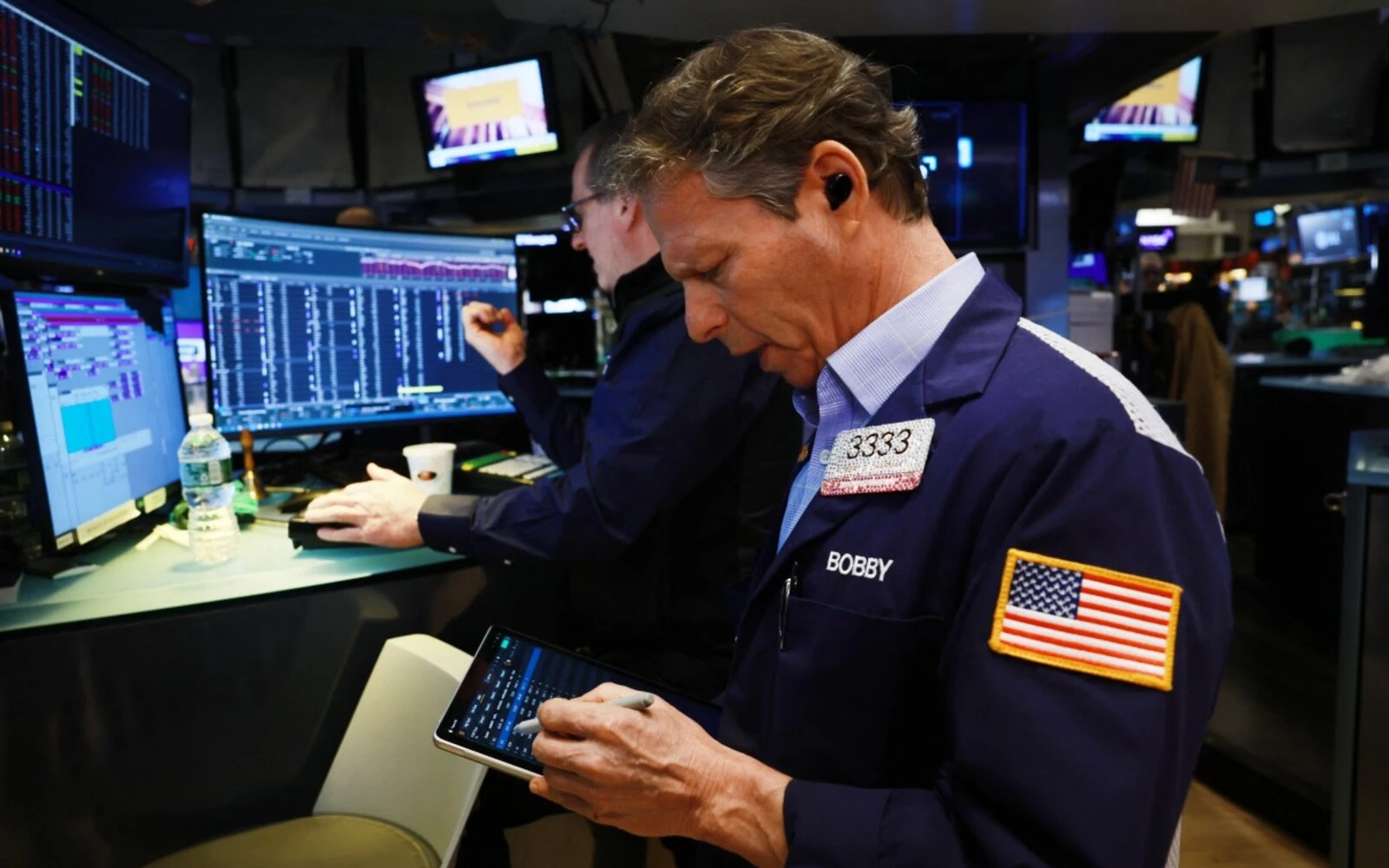
On Wednesday, global equities paused their four-day upward trend as oil prices nudged higher, while investors eagerly awaited news of potential peace deals in the Middle East. Oil prices have been languishing due to persistent concerns over supply disruptions through the Strait of Hormuz. Resumption of oil flows there could help curb inflation, which would influence the broader outlook for interest rates.
However, optimism over such prospects has been fleeting in the past. US President Donald Trump reported progress in talks with Iran in New York, but then threatened to "annihilate" the country should a deal not be achieved. "We've been through a series of starts and stops like this," said Cole Smead, CEO and portfolio manager at Smead Capital Management.
"We're in a pretty momentum-dominated market. I don't think most people feel comfortable stepping in the way of headlines."
The pan-European STOXX 600 index slipped 0.42% to 640.16 points, while Brent crude futures surged 0.62% to $98.86 per barrel. An MSCI index of global stocks declined 0.11% after four successive days of gains. Analyst Brock Weimer from Edward Jones suggested that the market may be approaching a juncture where it is in the best interests of all parties to de-escalate the conflict and find a solution.
Iranian President Masoud Pezeshkian addressed the UN General Assembly later on Wednesday, and markets remain vigilant for reports that he may engage in negotiations with Trump. On Wall Street, futures tracking the benchmark S&P 500 and tech-heavy Nasdaq-100 were down 0.07% and 0.27%, respectively. In Asia, stocks rose as consumer interest in AI apps continued to drive tech stocks higher.
South Korean stocks climbed 0.9%, with Samsung up nearly 1%, and Taiwan's benchmark edged 0.8% to near all-time highs. The data hardware sector benefited from robust consumer uptake of Meta's Muse agent, which has topped US app download charts for two weeks. Analysts are now keen to observe how Google Labs' CC product performs with consumers.
Chinese President Xi Jinping is set to visit Washington later in the day, as speculation mounts that a trade truce between the two nations may be extended, potentially leading to cooperation on AI. Japanese markets were closed for a holiday, but Nikkei futures were trading at 66,425 NKc, about 1,400 points above their Friday closing level.
Analysts anticipate a strong reopening in Japan tomorrow, accompanied by further decline in crude prices, and stable rates and Treasuries. The 10-year yield rose 1.28 basis points to 4.9798%, nearing the 5.0% threshold. Fed officials Tom Barkin (Richmond Fed) and Susan Collins (Boston Fed) backed the recent rate hike last week due to inflation concerns.
The US dollar surged to multi-week highs against the euro, pound sterling, and Canadian dollar. The euro hovered near a two-month low at $1.1410. President Trump's potential ban on US diesel exports could prove detrimental to European inflation, as the region heavily relies on US shipments of the fuel.
Written by urgent.news from Free Malaysia Today's reporting — not their text. Machine-written — may contain errors; check the original before relying on it.