Ghana government to regulate AI risks without stifling innovation – Minister
The Ghana government will regulate artificial intelligence (AI) risks without stifling innovation, Mr Samuel Nartey George, Minister of Communication, Digital Technology and Innovation, has said. The post Ghana government to regulate AI risks without stifling innovation – Minister appeared first on Ghana Business News .
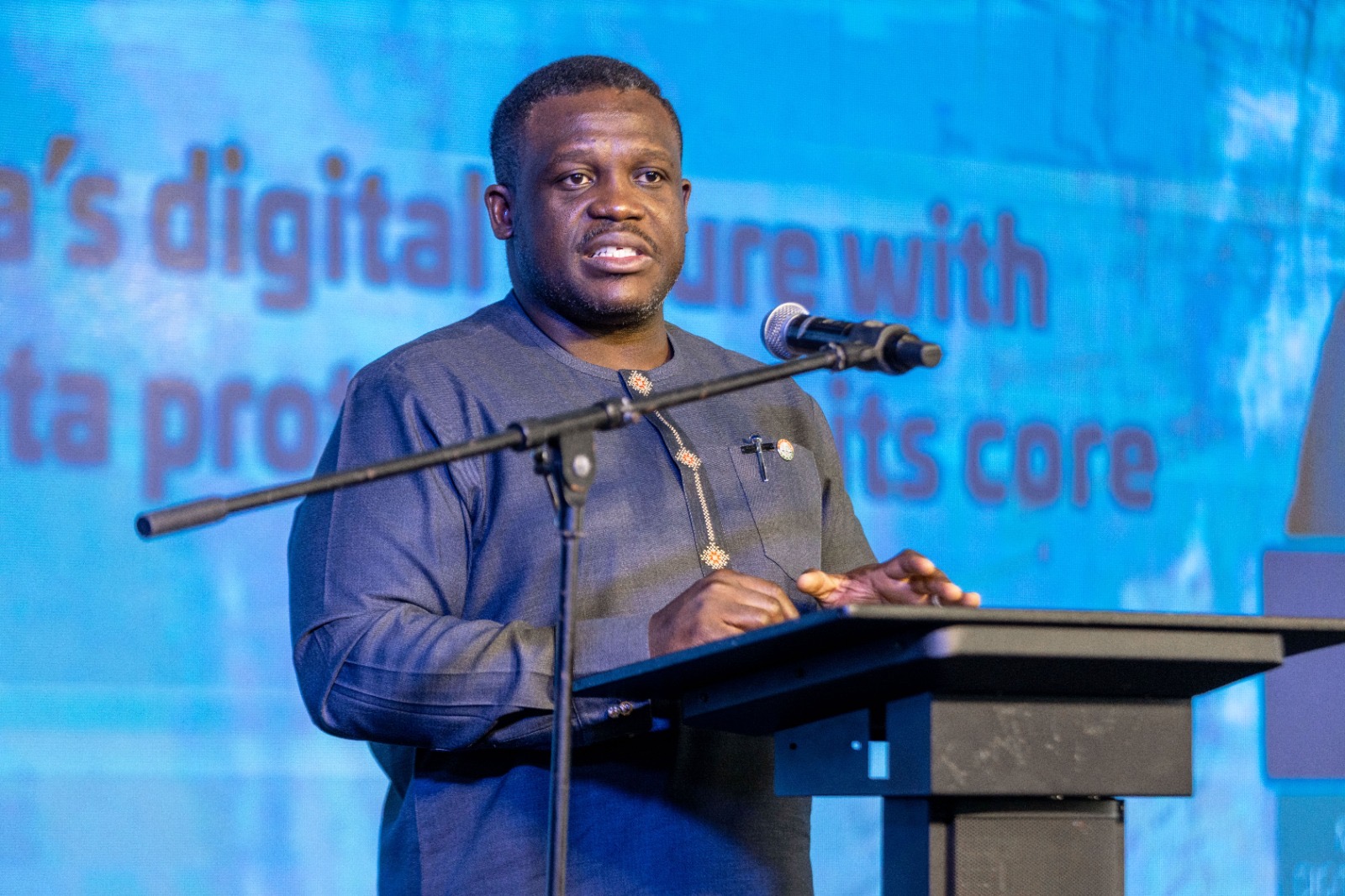
Samuel Nartey George, Ghana's Minister of Communication, Digital Technology and Innovation, has announced that the government will introduce regulations to manage artificial intelligence (AI) risks without impeding innovation. During his virtual address to the opening of the Second Pan African AI and Innovation Summit 2026 in Accra, George emphasized that the regulations would safeguard citizens and businesses while permitting responsible experimentation and technological advancement.
He clarified that the regulations would focus on limiting low-risk experimentation by students, while high-risk AI systems utilized in critical decisions, such as lending, would be subject to stricter oversight.
Ghana has moved past discussions about whether the continent should participate in the global AI landscape and is now concentrating on building the necessary skills, infrastructure, data governance, and policies to take part in the AI domain on its own terms. The implementation of Ghana's 10-year AI strategy has commenced, with 247 public-sector employees receiving AI training, and performance indicators established to gauge AI adoption within various government departments.
A notable example of successful AI implementation is the Ghana Revenue Authority's use of the Publican AI system, which has reportedly boosted revenue collection at the ports by approximately $4 million daily. George highlighted the government's commitment to nurturing talent, with over 141,959 registered accounts in the One Million Coders program, 6,000 of whom have completed the course. The Ministry aims to increase this figure to one million by the end of the academic year.
To support research, universities, and start-ups, the government plans to invest $250 million in national computing infrastructure and AI applications. The summit, organized in collaboration with multiple institutions, was held under the theme: "Scaling Africa’s Ethical AI & Innovation Ecosystem: Building Youth Capacity, Policy, Partnerships, and Skills."
Thelma Quaye, Chief Digital Infrastructure, Skills and Empowerment Officer at Smart Africa, underscored the need for enhanced continental coordination and interoperability in AI development. She stressed that fragmentation in digital identity, payments, data, and regulatory systems could hinder African innovators' ability to expand, and called for a balance between policy sovereignty and interoperability.
Quaye urged African countries to prioritize interoperable digital foundations, coordinated AI governance, and investments in computing capacity, research, talent, datasets, and start-ups over the next 24 months.
Chris Halliday, Deputy British High Commissioner to Ghana, emphasized that African nations should have a role in shaping AI systems, regulations, and markets according to their unique languages, needs, and priorities. He stressed that successful AI adoption depends on reliable infrastructure, quality data, technical skills, research, investment, and public trust. Halliday urged stakeholders to identify priority problems, address capability gaps, and establish partnerships to scale AI solutions.
Written by urgent.news from Ghana Business News's reporting — not their text. Machine-written — may contain errors; check the original before relying on it.