Geopolitics, rates, AI demand to shape APAC markets in 2026
KUALA LUMPUR: Financial markets in 2026, including Malaysia, are being shaped by a mix of geopolitical risks, energy price volatility, interest rate expectations and uneven economic growth, creating divergent opportunities across currencies, commodities and equity indices, according to JustMarkets.
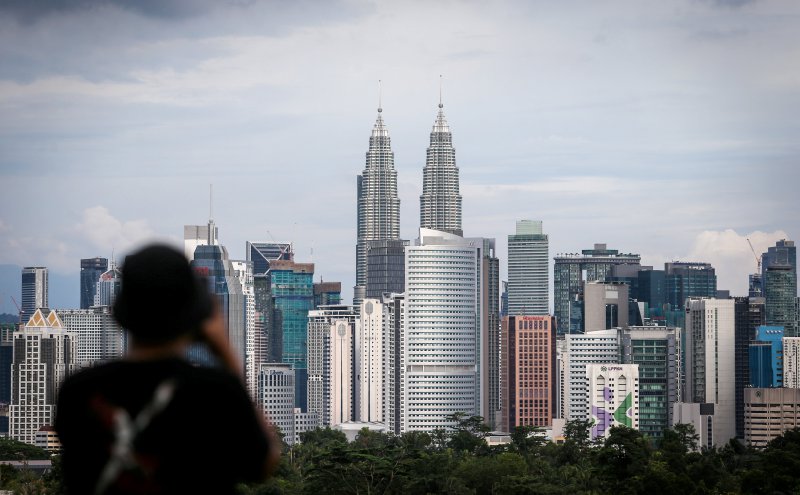
KUALA LUMPUR: Financial markets in 2026, encompassing Malaysia, are influenced by geopolitical uncertainties, energy price fluctuations, interest rate forecasts, and uneven economic growth, leading to varied prospects across currencies, commodities, and equity indices, as per JustMarkets. The global outlook remains mixed, with International Monetary Fund (IMF) projections projecting world gross domestic product (GDP) expansion at 3.0 percent this year.
For Malaysia, the ringgit, equities, commodities, and investor sentiment could be affected by major trading partners' developments, particularly China and other Asian nations. Traders are focusing on various asset classes due to these market changes: currencies, commodities, and indices, according to JustMarkets. In the Asia-Pacific (APAC) region, monetary policy, currency movements, technology demand, and equity markets are among the key factors impacting trading activity.
Japan exemplifies how monetary policy and inflation expectations shape markets; the Bank of Japan (BoJ) anticipates gradual inflation rise towards its 2.0 percent target and will adjust monetary policy based on economic activity, prices, and financial conditions. Meanwhile, China's growth rate slowed to 4.3 percent year-on-year in Q2 2026, down from 5.0 percent in Q1, with first-half growth estimated at 4.7 percent.
Variations in China's growth outlook impact the yuan and market sentiment in economies reliant on Chinese trade and commodity demand. Regional stock indices offer insights into these shifts, with APAC economies like Japan, China, Hong Kong, and others reflecting evolving expectations for growth, exports, consumption, manufacturing, and technology.
The technology sector's importance is growing, especially as AI-related demand bolsters economies connected to global technology production chains. The IMF recognizes AI-driven demand as a boost for technology-linked economies, while the BoJ highlights increasing AI-related demand as a contributor to domestic economic activity. Commodities, particularly gold and oil, continue to be closely linked to the APAC market outlook.
Energy price increases can raise cost pressures for oil-importing nations, while Asia remains a significant market for gold. The World Gold Council anticipates stronger APAC gold demand growth in the second half of 2026, with Asian gold exchange-traded funds recording 70 tonnes of net inflows in the first half of the year. For APAC traders, currencies signify monetary policy differences, equity indices signal growth and technology trends, and commodities remain tied to inflation, energy markets, and geopolitical factors.
Traders must adapt strategies to varying conditions, as JustMarkets stresses the importance of flexibility alongside asset selection. The global multi-asset broker offers access to over 260 CFD instruments across Forex, gold, oil, indices, stocks, and other markets within a single trading platform.
Written by urgent.news from New Straits Times's reporting — not their text. Machine-written — may contain errors; check the original before relying on it.