Funding cuts weaken Himalayan disaster monitoring as climate risks grow
KATHMANDU, Nepal — Sitting on the floor of a makeshift shelter for survivors of Nepal's deadly recent floods, Tenzin Dolma Ghale said she had nothing left but the clothes she was wearing. Her entire village and members of her family were washed away by the surge of water and debris that killed over 1,450 people and left more than 6,000 missing. After speaking, she waved a hand and looked at the…
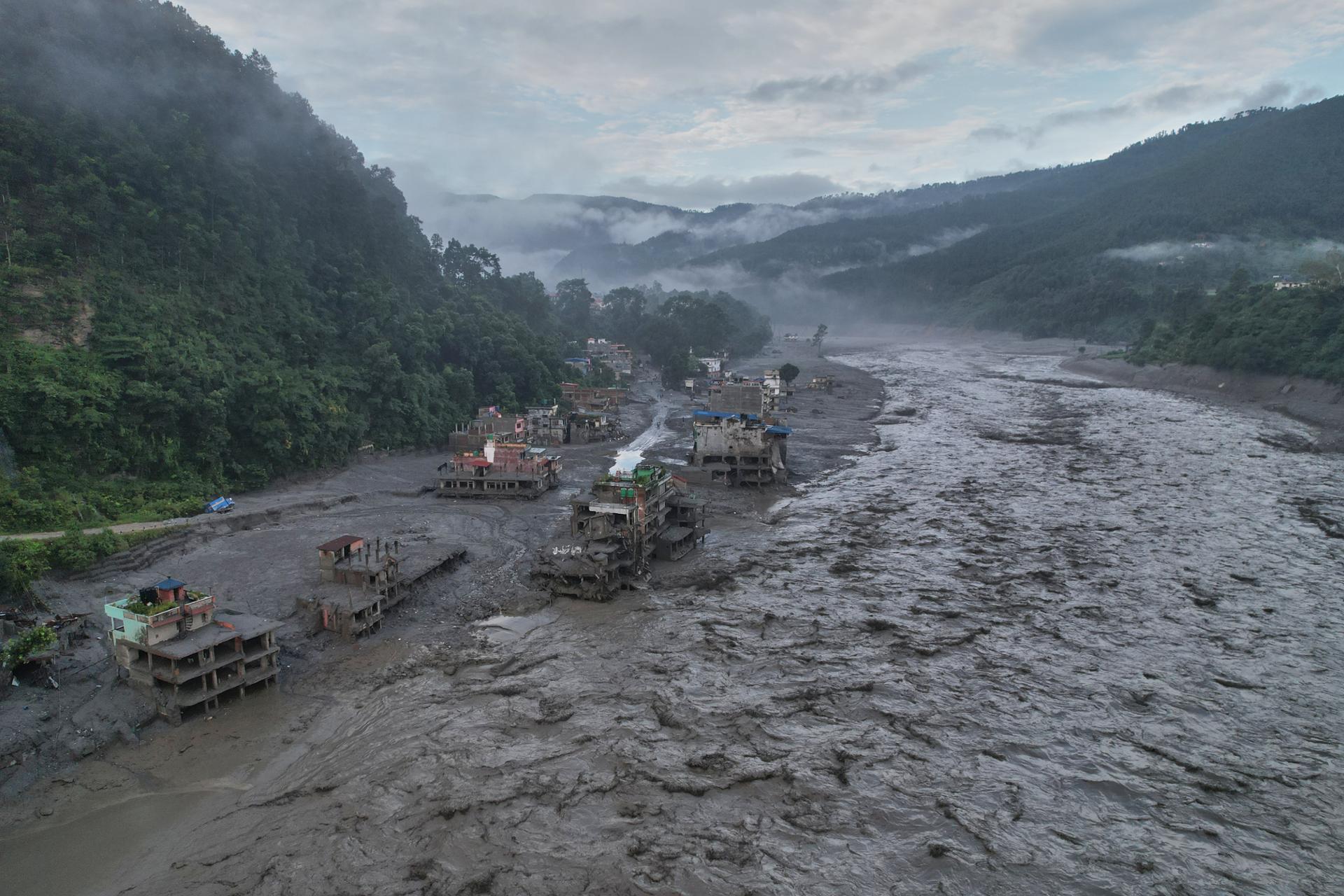
KATHMANDU, Nepal — In the aftermath of Nepal's devastating floods, Tenzin Dolma Ghale, a survivor, recounted the loss of her village and family to the rushing water. Over 1,450 lives were claimed, and over 6,000 remain missing. Ghale now stands among millions grappling with the aftermath of climate-related disasters. As these disasters grow in frequency and intensity, funding for international climate adaptation and disaster preparedness has been drastically reduced.
"We need trillions of dollars annually, but developed nations have yet to fulfill their commitments," stated Harjeet Singh, director of Satat Sampada Climate Foundation in New Delhi. These cuts to aid have also impacted disaster monitoring in the Himalayas. The U.S. administration's sudden reduction in foreign aid in 2025 led to the elimination or reduction of many crucial programs.
Written by urgent.news from The Korea Times's reporting — not their text. Machine-written — may contain errors; check the original before relying on it.
This story
This is one outlet's version. Read the fullest account.