For India to matter in BRICS, it must reclaim the spirit of Non-Alignment
In April 1955, representatives from 29 newly independent countries convened in Bandung, Indonesia, to discuss their shared experiences of colonialism. They adopted 10 principles, including sovereignty, non-interference, and opposition to military alliances with great powers. This marked the birth of the Non-Aligned Movement (NAM), which aimed to support decolonization and uphold the rights of oppressed peoples.
NAM continued to champion causes such as the Algerian War, Vietnamese resistance to colonial rule, and the fight against apartheid in South Africa. India, as one of NAM's founders, served as its moral compass for many years.
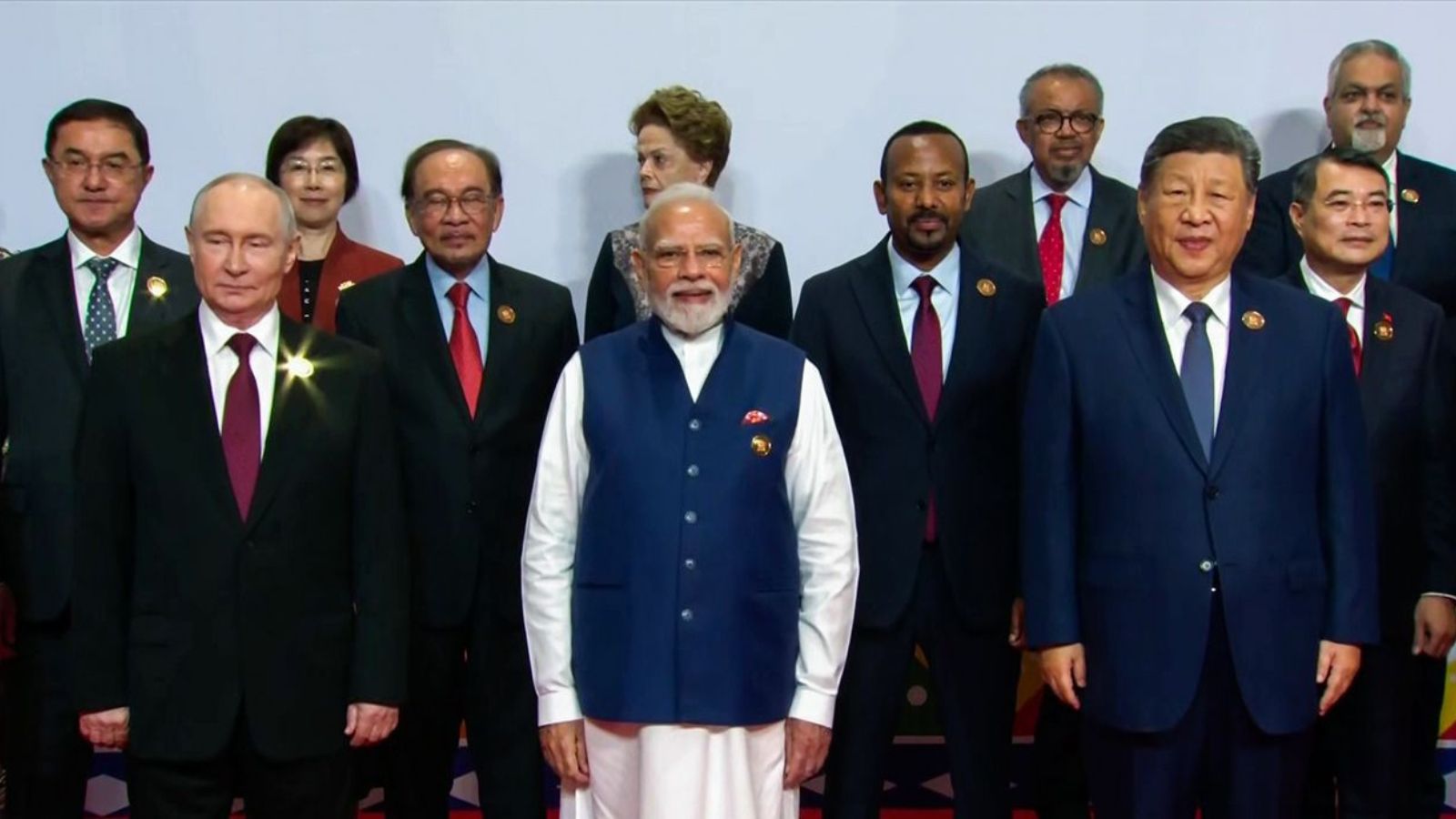
As the Soviet Union disintegrated and the world became unipolar, NAM struggled to find its purpose. While it retained 120 members and held occasional summits, its relevance waned. BRICS emerged in 2009 as a response to the vacuum left by NAM. Comprising Brazil, Russia, India, and China, the group has grown to include South Africa and several other nations, representing over half of the global population and a third of the world's economy.
BRICS discusses issues such as reforming international institutions, opposing unilateral sanctions, and promoting climate finance.
However, BRICS does not embody NAM's anti-colonial mission. Its members have diverse systems and interests, and some have close ties with the United States. Consequently, BRICS' statements often lack specificity about the entities imposing sanctions or aggressors. The group seeks to create a multipolar world but does not aim to dismantle existing dominance. Instead, it seeks to reform the dollar-based order and address issues like debt burdens faced by developing nations.
Despite its limitations, BRICS holds significance for the Global South, offering alternatives to the sanctions and trade disruptions imposed by unilateral measures. Strengthening BRICS through increased membership and robust institutions can provide nations with more autonomy. It is essential for BRICS to expand with a unified purpose, as a single power's dominance can still dictate terms for others.
India, as the country that organized Bandung and founded NAM, now finds itself in a position to either continue aligning with American interests or reclaim its role as a moral leader for nations that resisted domination. This requires a foreign policy independent of American pressure, support for Palestine, opposition to sanctions, acknowledgement of the need for climate justice, and efforts to enhance BRICS' influence beyond a platform for greater representation.
Written by urgent.news from The Indian Express's reporting — not their text. Machine-written — may contain errors; check the original before relying on it.