Floating weeds threaten farming and fishing at Malawi’s Chia Lagoon
A mass of floating weeds at Chia Lagoon, Malawi’s largest, is choking out waterways and livelihoods as farmers and fishers struggle to access fields and fishing areas. Seven months after the rainy season ended in Malawi, fields that once absorbed seasonal water at the lagoon are submerged, frustrating irrigated maize and rice production, according to […]
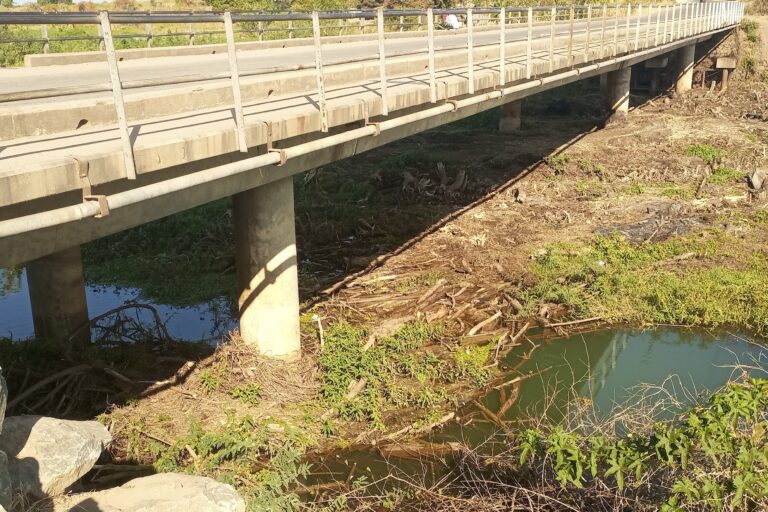
A massive infestation of floating weeds has emerged at Chia Lagoon, Malawi’s largest body of water, disrupting agriculture and fishing activities. As the rainy season concluded seven months ago, fields adjacent to the lagoon are now inundated, impeding irrigation for crops such as maize and rice, according to local farmers. Fishers have reported difficulties accessing their usual fishing grounds due to the weeds obstructing boat paths.
Ali Maulidi, the leader of an association comprising over 1,000 fishers in Nkhotakota district, located near the lagoon, remarked, “We have never witnessed anything similar to this.” Maulidi explained to Mongabay via phone call that waterlogged soils have caused mature cassava crops to decay in certain fields.
Situated on the western edge of Lake Malawi, Chia Lagoon channels into the lake through a narrow passage. Locals attributed the proliferation of weeds and debris to the accumulation at the outlet region in February, causing water levels to rise within the lagoon and inundating agricultural lands. Chia Lagoon spans 1,700 hectares (4,200 acres) and serves as a vital resource for approximately 7,800 households engaged in rice, cassava, and maize cultivation, fishing, and bird hunting.
The encompassing river network benefits more than 55,000 agriculturalists. In December 2025, Chia Lagoon was designated as a Key Biodiversity Area due to its rich biodiversity, encompassing numerous bird, fish, plant, reptile, and amphibian species. Maulidi expressed concern, stating, “We are at a loss to comprehend what is occurring; however, we are deeply worried because it is severely impacting our livelihoods.”
Scientists are currently uncertain about the cause of the recent weed accumulation, and further investigation is required to determine the underlying factors.
Written by urgent.news from Mongabay's reporting — not their text. Machine-written — may contain errors; check the original before relying on it.