First Diagnostic X-Rays in Space Mark New Era for Astronaut Health
A team of researchers acquired the first diagnostic X-ray images during a commercial spaceflight, demonstrating that X-ray medicine can be performed in space.
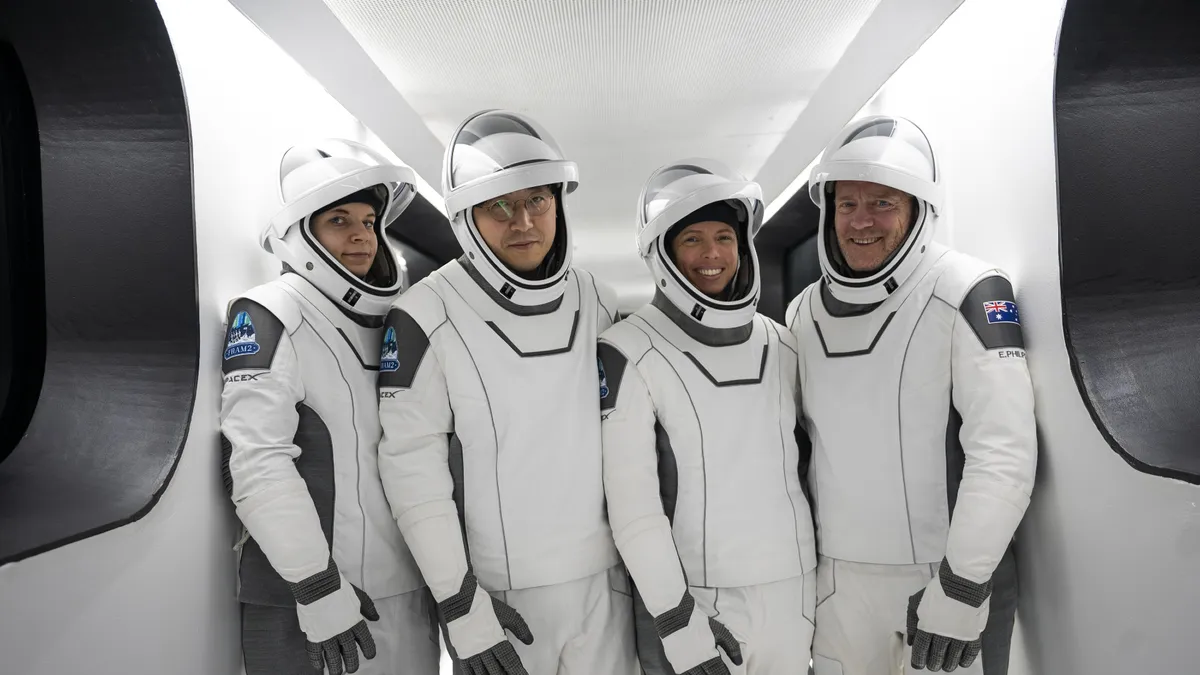
A significant breakthrough in space medicine has been achieved with the successful completion of the first X-ray diagnostic during a commercial spaceflight. This milestone was reached through a collaborative effort led by Dr. Sheyna Gifford, a professor of aerospace medicine at the Mayo Clinic, and included researchers from various prestigious institutions such as the University of California San Diego, Stanford University, and MIT.
The research team's objective was to address the health hazards of space, including radiation exposure, bone density loss, and muscle atrophy, by developing reliable diagnostic tools. Prior to this achievement, ultrasound has been the sole reliable medical imaging tool for astronauts for over four decades, but it has limitations, particularly in space where microgravity and constant movement pose challenges to obtaining clear diagnostic images.
The team overcame these obstacles by utilizing a portable, off-the-shelf X-ray machine, which is now feasible for use in space due to advancements in portable medical technology. The research team partnered with SpaceX to test their portable X-ray system during the Fram2 commercial spaceflight mission. The mission, which took place in a polar orbit and lasted over three and a half days, marked the first time a spacecraft performed X-ray imaging in space.
The crew, comprising JAXA astronaut Satoshi Furukawa and other astronauts, were able to obtain diagnostic-quality X-rays with minimal training. The results were evaluated by independent radiologists, who confirmed that the quality of the X-ray images was consistent with those obtained on Earth. This successful demonstration of in-orbit radiography opens up new possibilities for space medicine, allowing for the monitoring of both crew health and the condition of mission-critical hardware.
The ability to perform X-rays in space not only ensures the well-being of astronauts but also supports the maintenance and repair of equipment in the harsh conditions of space.
Written by urgent.news from Universe Today's reporting — not their text. Machine-written — may contain errors; check the original before relying on it.